Got your eye on a Cupra Formentor but wondering whether that aggressive styling is hiding some expensive problems? I get it. This is the crossover that helped Cupra establish itself as a brand in its own right, and it certainly turned heads. Since 2020, the Formentor has offered an interesting mix: distinctive looks, enjoyable driving and familiar VW Group engineering underneath. But here's the thing! Just because the mechanical bits are familiar doesn't mean you can skip the checks or servicing. In this Cupra Formentor review, I'll tell you what I think of the car, which engines I'd consider and what to watch out for before handing over your money.
Who is the Cupra Formentor right for?
If you want a higher driving position but find big SUVs a bit too bulky, the Formentor is worth a look. You sit higher up, get a sporty feel and drive something that's hard to mistake for anything else. It's not trying to be a massive family SUV. Instead, it combines the practicality of a crossover with some of the enjoyment of a sports car. And that's exactly what I like about it. Just make sure you choose the right engine, because the different versions have quite different personalities.
Which engines, gearboxes and drivetrains does the Cupra Formentor have?
There's plenty to choose from here, from the relatively relaxed 1.5 TSI right up to the five-cylinder VZ5. You've got petrol engines, a diesel and a plug-in hybrid that you can charge from the mains. The gearboxes and drivetrains vary too, so don't just look at the horsepower in the advert. You need to know exactly what you're buying.
- 1.5 TSI – available with a manual gearbox or a 7-speed DSG DQ200 with dry clutches. This is the one for someone who isn't chasing maximum power.
- 2.0 TSI – available with outputs from 190 to 310 hp, including the sporty VZ versions. It uses a wet-clutch DSG gearbox, and most versions have 4Drive with a Haldex coupling that brings in the rear-wheel drive.
- VZ5 – now we're talking about a five-cylinder 2.5 TFSI with 4Drive. This is the version for someone who wants something genuinely special.
- e-HYBRID – combines a petrol engine, an electric motor and a DSG gearbox designed for the hybrid drivetrain.
- 2.0 TDI – the diesel option for those who prefer a TDI to a petrol engine.
What common Cupra Formentor problems do we see at the workshop?
When we talk about Formentor problems, there's something important I want you to understand. Not every complaint means there's a broken part that needs replacing straight away. Electronics and software play a big part in this car, and different engines and gearboxes need different approaches. That's why, at Das Auto Service, we first find out what's actually causing the problem. Only then do we decide what needs repairing.
Infotainment and software problems
Quite a few Formentor owners come to us with complaints about the infotainment system and driver assistance features. They think something has broken, but sometimes all the car needs is a software update. Yes, it really can be that simple. That's why checking the software versions matters before anyone starts replacing parts blindly. I'm not a fan of the old "let's change this and see what happens" approach.
Why does the 1.5 TSI jerk when cold?
If you've been reading owner reviews of the 1.5 TSI, you've probably come across complaints about jerking or hesitation when pulling away with a cold engine. This deserves a closer look, because you shouldn't automatically blame the gearbox every time the car jerks. What matters is when it happens and exactly how the car behaves. I've explained it in detail in my article 1.5 TSI: Why It Jerks When Pulling Away Cold.
What should you know about DSG and Haldex?
With a wet-clutch DSG, an oil change using genuine oil is essential every 60,000 km. That includes the gearboxes I've covered in my article on DQ381 and DQ500. We also stick to a 60,000 km interval for the dry-clutch DSG DQ200. After changing the oil, we always carry out a gearbox adaptation so everything works as it should.
If your Formentor has 4Drive, there's another component you need to look after: the Haldex coupling. It's the clutch system that controls how much power goes to the rear wheels. Both the Haldex oil and the rear differential oil need changing every 30,000 km. They're two separate oils, and you really don't want to forget either of them. I've explained more in Haldex Generations 1 to 5: When and How to Service Them.
What should you check before buying a Cupra Formentor?
I wouldn't buy a Formentor just because it looks good, has low mileage on the clock and the seller says everything is perfect. I'd want to see its service history, check the electronics and find out how it actually drives. Especially if it has DSG, 4Drive or a hybrid drivetrain. Here's what I'd definitely check before spending my money.
- Software – I check which version is installed and whether all the necessary service campaigns have been completed.
- DSG – I test how the car pulls away, including on a slope. I watch for jerking, harsh gear changes or thumping from the gearbox.
- 4Drive – I check the service history of the Haldex coupling and rear differential. I want to know exactly when their oils were last changed.
- e-HYBRID – I check that the charging system works properly and assess the condition of the battery.
If you're not sure how to carry out these checks yourself, bring the car in for a pre-purchase inspection. That way, you'll know what you're buying instead of relying on the seller's promises. Because once you've bought the car, any problems become your responsibility. And the repair bills come out of your own pocket.
How should you service a Cupra Formentor?
My approach is simple: service the car on time rather than waiting for something to break. Whether you drive a 1.5 TSI, 2.0 TSI, VZ or TDI, the engine needs regular oil and filter changes. For cars driven in Bulgaria, I don't consider extended LongLife service intervals a good idea. Manufacturers also have emissions and environmental targets to meet, but my priority is keeping your engine healthy.
- Engine oil and all filters – every 10,000 km or once a year, whichever comes first, regardless of the oil used. We change the oil filter, fuel filter, air filter and cabin filter together every time.
- DSG – genuine oil every 60,000 km, regardless of the version, followed by a mandatory gearbox adaptation.
- Haldex and rear differential on 4Drive models – change both oils every 30,000 km.
- Crankcase ventilation filter – every 60,000 km on petrol engines and every 80,000 km on diesel engines.
- Brake fluid – every 2 years, and coolant – every third heating season.
- Workshop inspection – every 6 months so we can catch problems early.
IMPORTANT! If you're looking at a Formentor with increased power, make sure you ask whether the engine software has been modified. More power also means more strain on the DSG and Haldex. Don't buy a tuned car without knowing exactly what's been done to it.
What's my verdict on the Cupra Formentor?
Yes, I like the Formentor, and I think it's a good choice if you find one with a clear history, up-to-date software and proper servicing. You get interesting styling, enjoyable handling and familiar mechanical components that we know how to inspect and maintain. But don't choose one just because of its looks or horsepower. I'd much rather see you buy a well-maintained Formentor than a more powerful example with a questionable past. It's that simple.
Tip from Kris Mladenov: Before buying a Formentor, take the time to try every infotainment function and driver assistance feature. That's where many of the complaints come from, and updated software can solve some of them. Check the DSG and Haldex service history too, because proper maintenance matters far more than the lovely photos in the advert.
I hope you've found this article useful! If you have, I'd really appreciate you sharing it with a friend who drives a Cupra Formentor or is thinking of buying one. My mission has always been simple: when I know something useful, I want more people to know it too. Because having the right information can save you a lot of headaches and a lot of money from your own pocket.
The solution in our shop
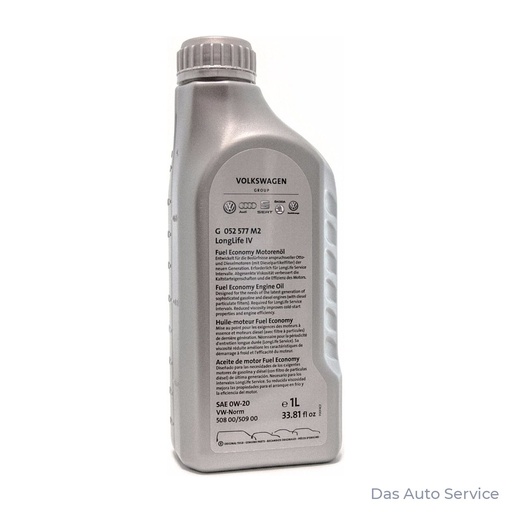
Genuine LongLife IV 0W20 oil G S60577M2 1l
Genuine LongLife IV 0W20 engine oil is intended for engines that require VW 508 00 approval. Only use it when this exact specification is prescribed for your engine.
View in shopRead more
- Pre-purchase inspection
- Routine servicing
- 1.5 TSI Cold Engine Jerking: Why Does It Happen?
- DSG DQ381 and DQ500 Oil Change: When and Why?
- Haldex Service Intervals: Generations 1 to 5
Frequently asked questions
What are the most common Cupra Formentor problems?
Many complaints involve the infotainment system, driver assistance features and software. Some 1.5 TSI owners also report jerking when the engine is cold. With DSG and Haldex, it's especially important to check the service history.
Should I choose the Cupra Formentor 1.5 TSI or 2.0 TSI?
If you want a more relaxed car, have a look at the 1.5 TSI. If you're after more power and a sportier driving experience, the 2.0 TSI is the better fit. Just make sure you carefully check the DSG and, if fitted, the 4Drive system.
Is the Cupra Formentor e-HYBRID worth buying?
Yes, provided the hybrid drivetrain suits the way you drive. Before buying, though, make sure you check that charging works properly, assess the battery's condition and test how the hybrid DSG operates.
How often should you change the DSG oil in a Cupra Formentor?
I recommend changing the oil every 60,000 km using genuine oil on all DSG versions. After every service, we also carry out a gearbox adaptation.