Do you know which cheap part in a diesel engine can save you from one of the most expensive repairs? The fuel filter. It sits between the diesel you put in the tank and the fuel pump and injectors, which really don't like water or dirt. Yet I still see cars that have had fresh engine oil and a new air filter, while the fuel filter has been left until next time. That's not a proper service in my book. I'll explain why we always replace the fuel filter along with the engine oil at Das Auto Service, and what can happen if you forget about it.
Why is the diesel fuel filter so important?
Modern common rail diesel engines run at extremely high fuel pressure. Common rail is the system that delivers fuel to the injectors at very high pressure so the engine can run properly. Inside the pump and injectors, some parts fit together so precisely that even a tiny bit of dirt can cause serious damage. Imagine getting a grain of sand between two perfectly matched metal surfaces. They won't be happy.
That's where the fuel filter comes in. Its job is to stop dirt and water before they reach the expensive parts of the fuel system. If contamination gets through, it can scratch the inside of the fuel pump. If the pump is damaged, it can start producing tiny metal particles. Those particles then reach the injectors, and suddenly we're no longer talking about replacing a filter. We're talking about repairing the entire fuel system. That's a huge difference.
That's why I always explain that the fuel filter isn't just another service item we replace because it's on a checklist. It protects some of the most precise and expensive parts of your diesel engine. Your engine might be running perfectly, but if water and dirt reach the fuel pump, problems can start very quickly. And then it doesn't matter how well you've looked after everything else.
When should I get a diesel fuel filter replacement?
At Das Auto Service, my rule is simple: every 10,000 km or once a year, whichever comes first. We change the engine oil and all the filters together: oil, fuel, air and cabin filters. This applies to cars driven in Bulgaria, regardless of which engine oil you use or whether your car is on a LongLife service schedule. We don't leave the fuel filter until the next service. Why risk damaging the pump and injectors over such a cheap part?
People often ask why I recommend shorter service intervals than the manufacturer. The answer is simple. Manufacturers also have to consider environmental regulations, while I'm looking at what's best for the engine's long-term health. That's why we follow the same rule for every filter. We don't replace one now and leave another until the next service.
- Every 10,000 km or once a year – together with the engine oil and all the other filters, without exception.
- Sooner if you've filled up with questionable diesel. There's no point waiting for your regular service when you have reason to doubt the quality of the fuel.
- Before winter – always check when the filter was last replaced. An old filter and wax crystals forming in diesel can leave your car stranded in freezing weather. I've explained more in my article about diesel at -15°C.
I'm particularly careful about this before winter. Your car might run beautifully while the weather is warm, then refuse to start as soon as the temperature drops. An old fuel filter only makes things worse. I'd much rather replace it in good time than have to work out why your diesel won't start on a freezing morning.
What happens if I forget to replace the fuel filter?
At first, you might not notice anything at all. The car starts, drives normally, there's no check engine warning light, and everything seems fine. But that doesn't necessarily mean the filter is doing its job properly. Once it starts getting blocked or lets contamination through, you can run into several different problems. Here's what you might notice when you're driving.
- Difficult starting and stalling when cold. If your diesel engine turns over but won't start, the fuel filter is one of the things worth checking. Have a look at my article about TDI engines struggling to start when cold.
- Loss of power and limp mode. You put your foot down, but the car doesn't pull like it used to. If the engine isn't getting enough fuel, it can't run properly.
- Water and dirt in the fuel system. This is where things get serious, because the fuel pump and injectors can be damaged. I've explained more about this in my article on common rail injectors.
There's something important I want to make clear. If your car struggles to start or feels down on power, that doesn't automatically mean the fuel filter is to blame. These symptoms can have several different causes, which is why proper diagnostics matter. But if the fuel filter has been neglected, it absolutely needs to be checked. There's no point hunting for complicated faults before checking the basics.
What's involved in replacing a diesel fuel filter properly?
Replacing a fuel filter isn't just a matter of pulling out the old one and fitting a new one. With a diesel fuel system, there are a few things you need to get right. After the service, I want the engine to receive clean fuel with no air left trapped in the system. That's why we follow these steps at Das Auto Service.
- We choose a genuine fuel filter that matches the exact engine code. We don't fit something just because it looks the same.
- If the filter has a water separator, we drain any water that's collected. Water has no place in the fuel system.
- After fitting the new filter, we bleed the fuel system. This removes trapped air that could interfere with the normal fuel supply.
WARNING! A non-genuine fuel filter may allow water and fine particles through to the fuel pump and injectors. Trying to save money here could end up costing you a fortune. That's why I insist on a genuine filter designed for the specific engine.
Which engine oil do I use when servicing a diesel?
We replace the fuel filter together with the engine oil and the other filters, so choosing the correct oil matters too. Different diesel engines have different requirements, and you shouldn't pour the same oil into every TDI. What matters is using an oil that's suitable for your particular engine. But whichever oil it needs, our service interval stays the same: every 10,000 km or once a year.
Tip from Kris Mladenov: Replace your fuel filter before the first cold spell, not after your car has stalled at minus ten degrees. And don't wait for something to go wrong before you remember it exists. Every 10,000 km or once a year, change the engine oil and all the filters together. That makes far more sense than risking damage to the fuel pump and injectors.
I hope you've found this article useful! If you have, I'd be happy if you shared it with a friend who drives a diesel. My mission has always been simple: when I know something useful, I want more people to know it too. Because the better you understand how your car works, the easier it is to protect it from unnecessary and expensive repairs.
The solution in our shop

Genuine Longlife III FE 0W30 oil 5L
Genuine LongLife III engine oil for common rail TDI engines. The right choice for engines designed to use this oil, without extending the service interval.
View in shop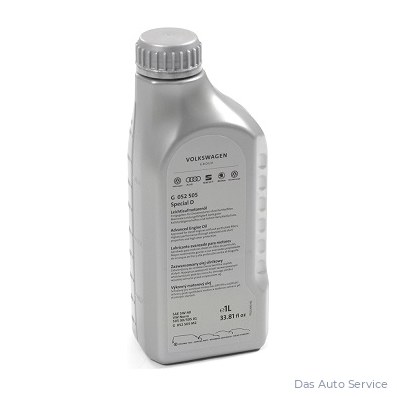
Genuine SpecialD 5W40 Volkswagen diesel oil 1L
SpecialD 5W40 engine oil for TDI engines with unit injectors (Pumpe-Düse). Used in engines for which this oil is specified, with the same oil change interval.
View in shopRead more
- Routine servicing
- Diesel Won't Start in Cold Weather: Fuel and Filters
- 2.0 TDI Common Rail Injectors: When to Replace Them
- TDI Glow Plug Problems: Cold Starts and Checks
Frequently asked questions
How often should I replace my diesel fuel filter?
At Das Auto Service, we replace it every 10,000 km or once a year, whichever comes first. Always together with the engine oil and all the other filters.
What happens if I don't replace my diesel fuel filter?
You may experience difficult starting, stalling, loss of power or limp mode. If water and dirt get through the filter, they can damage the fuel pump and injectors.
Does the fuel system need bleeding after a filter change?
Yes. After replacing the filter, we bleed the fuel system to remove any trapped air that could interfere with the normal fuel supply.
Should I replace my diesel fuel filter before winter?
Yes, if your next service is approaching or you don't know when the filter was last replaced. An old filter and wax crystals forming in diesel can cause serious problems in cold weather.