When the temperature drops below -10°C, the phones at our workshop start ringing. "It starts, runs for two minutes, then cuts out." Or, "It turns over but won't start." Sound familiar? It's almost always a diesel. And do you know the interesting bit? Usually, there's nothing wrong with the engine itself. The trouble comes from the diesel fuel and the fuel filter.
Why won't diesel start in cold weather?
Diesel fuel contains paraffin wax, and when it gets really cold, that wax starts forming crystals. The fuel thickens, turns cloudy and becomes almost like jelly. And the first thing to suffer is the fuel filter. Winter-grade diesel contains additives that help it flow through the filter at lower temperatures. Summer diesel doesn't have the same protection. So if you filled up in late autumn and a proper cold snap suddenly arrives, don't be surprised if your car refuses to start the next morning.
Why does the fuel filter cause so much trouble?
Your TDI's fuel filter doesn't just collect dirt. It can also trap water that has come in with the fuel or formed through condensation in the tank. When the temperature drops, that water freezes, the paraffin wax crystallises and the fuel struggles to get through. And if the filter is old and has been collecting water all year, it could be exactly what leaves you stranded on the first freezing morning. I'm telling you this because I'd rather you weren't standing outside in the cold next to a car that won't start.
Please, don't pour petrol into your diesel tank to stop the fuel freezing. I know people used to do this with older diesels, but modern common rail systems are a completely different story. Petrol reduces the lubrication that the fuel pump and injectors need. And if you damage the high-pressure fuel pump, you're no longer looking at a simple filter change. You're looking at a much bigger repair. And guess who's paying for it? You, out of your own pocket.
How do you prepare your diesel for winter?
- Change the fuel filter along with the engine oil and oil filter every 10,000 km or once a year, whichever comes first. If your next service is nearly due, get it done before winter. Don't wait for the really cold weather to arrive.
- Fill up with winter-grade diesel at filling stations you trust, especially from November onwards. Don't take chances with your fuel.
- Keep your fuel tank reasonably full. That leaves less room for condensation, and it's that trapped water that can cause you trouble later.
- Check your glow plugs and battery. Without them working properly, cold starts can be a real struggle too. I've explained everything in more detail in my article about glow plugs and my article about car batteries.
How do you change a TDI fuel filter properly?
There's something really important I want you to understand here, and I've talked about it before in my article about engine oil and service parts. When you change the fuel filter on a diesel, the system needs to be filled with fuel and properly primed and bled to remove any air. Skip that step and the high-pressure fuel pump could be left running without proper lubrication, causing internal damage. And once that pump starts breaking apart, you could end up having to replace half the fuel system. Just imagine it. What should have been a straightforward filter change turns into a major repair. That's why I'm so particular about getting this job done properly.
What should you do if your diesel won't start?
- Don't keep cranking the engine endlessly. A frozen fuel filter isn't going to clear itself just because you keep turning the key. All you'll do is drain the battery and put unnecessary strain on the starter motor.
- If you can, move the car somewhere warm for a few hours. That gives the fuel a chance to become liquid again.
- At our workshop, we replace the fuel filter, drain away any collected water and properly prime and bleed the fuel system. Only when everything has been done correctly do we try starting the engine again.
A tip from Kris Mladenov: My friend, don't wait until it's -15°C before you remember your fuel filter. Change it on time and fill up with winter-grade diesel. It's that simple, and it could save you from standing in the freezing cold waiting for roadside assistance. The filter change itself takes about half an hour. Trust me, those few minutes could save you a lot of headaches.
I want your TDI to fire up first time, even on the coldest morning of the year. If this article has helped you, send it to a friend who drives a diesel too. You might just save them from a very unpleasant morning.
The solution in our shop
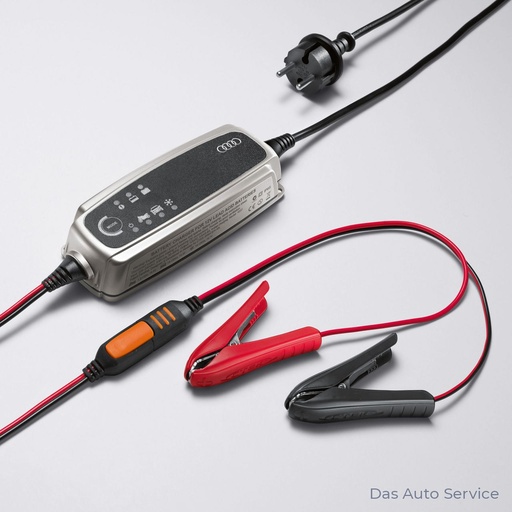
Audi battery charger. When it's freezing outside, a healthy battery is half the battle when it comes to starting your car. Look after yours.
View in our shopRead more
- Routine servicing at Das Auto Service
- Vehicle diagnostics
- TDI hard to start when cold: glow plugs and checks
- Why does Start/Stop stop working in winter, and why does a new battery need coding?
- When should I change the oil and service parts on my VAG car?
- What should I check on my car before winter?
- Autumn car checks: ten minutes that could save you trouble this winter
Frequently asked questions
Why won't my diesel start in freezing weather?
Because the paraffin wax in diesel fuel starts to crystallise and blocks the fuel filter. If there's water trapped inside as well, it freezes and makes it even harder for fuel to reach the engine.
Can I add petrol to diesel to stop it freezing?
Please don't, my friend. In modern common rail systems, petrol reduces the lubrication that the high-pressure fuel pump and injectors depend on. Instead of dealing with a frozen filter, you could end up facing a much more serious repair.
When should I change my diesel fuel filter?
Change your fuel filter along with the engine oil and oil filter every 10,000 km or once a year, whichever comes first. If your service is coming up, get it done before winter. Just make sure the new fuel filter is filled properly and the fuel system is correctly primed and bled. You really don't want to skip any steps here.