Do you know what can kill the legendary 1.8T without you even realising something is wrong? A blocked oil pump pickup strainer. The Golf 4 1.8T helped make turbocharged petrol engines popular across VW, Audi, SEAT and Škoda. These cars are classics now, but people still drive them, remap them and enjoy everything a good turbo petrol engine has to offer. There's just one catch – the 1.8T loves being looked after and really doesn't like neglected servicing. I'll explain which versions you should know about, where the weak spots are and how to keep your engine healthy instead of paying for repairs you could have avoided.
Which Golf 4 1.8T versions and other models are there?
The first thing I want you to understand is that not all 1.8T engines are the same. They share a similar basic design, but there are different engine codes, power outputs and engine layouts. Some cars have the engine mounted across the car, while others have it mounted lengthways. So when someone tells me, "I've got a 1.8 turbo", that still isn't enough for me to know exactly which engine we're talking about.
- Transversely mounted 1.8T – found in the Golf 4, Audi A3 8L, SEAT Leon 1M, Škoda Octavia 1 and Audi TT. The AGU, AUM and ARX produce 150 hp, the AUQ produces 180 hp, and the BAM delivers 225 hp in the TT, S3 and Leon Cupra R.
- Longitudinally mounted 1.8T – found in the Audi A4 and Passat B5. The AEB and AWT produce 150 hp, while the Audi A4 B6 also has more powerful versions.
Why am I telling you all this? Because the engine code matters far more than the badge on the boot. Two cars with a 1.8T can have different power outputs and different characteristics. If you're buying parts, servicing the engine or thinking about a remap, you need to know exactly what's under the bonnet first. Otherwise, you know how it goes – you order the parts, take everything apart and then discover you've bought the wrong ones.
How can I identify my 1.8T engine code?
The most reliable way is to check the engine code. You'll find it on the engine block itself, on the vehicle information sticker in the boot or in the service book. You're looking for a code such as AGU, AUM, AUQ, BAM, AEB or AWT. Think of it as your engine's identity, not just a few random letters the manufacturer decided to put there.
If you've recently bought the car and aren't sure exactly what's under the bonnet, start here. Especially if the previous owner spent ages telling you how much power it makes after the remap. I prefer to establish which engine we're dealing with and what condition it's in before we start talking about power. Horsepower is great. But you need a healthy engine to handle it.
What are the 1.8T engine specifications?
- Four cylinders with five valves per cylinder – 20 valves in total. The turbocharger helps the engine produce good power without needing a large engine capacity.
- A timing belt drives the valve timing system, with a short chain connecting the camshafts. That chain has its own tensioner, which also needs attention.
- Indirect fuel injection – fuel is injected before the intake valves rather than directly into the cylinders.
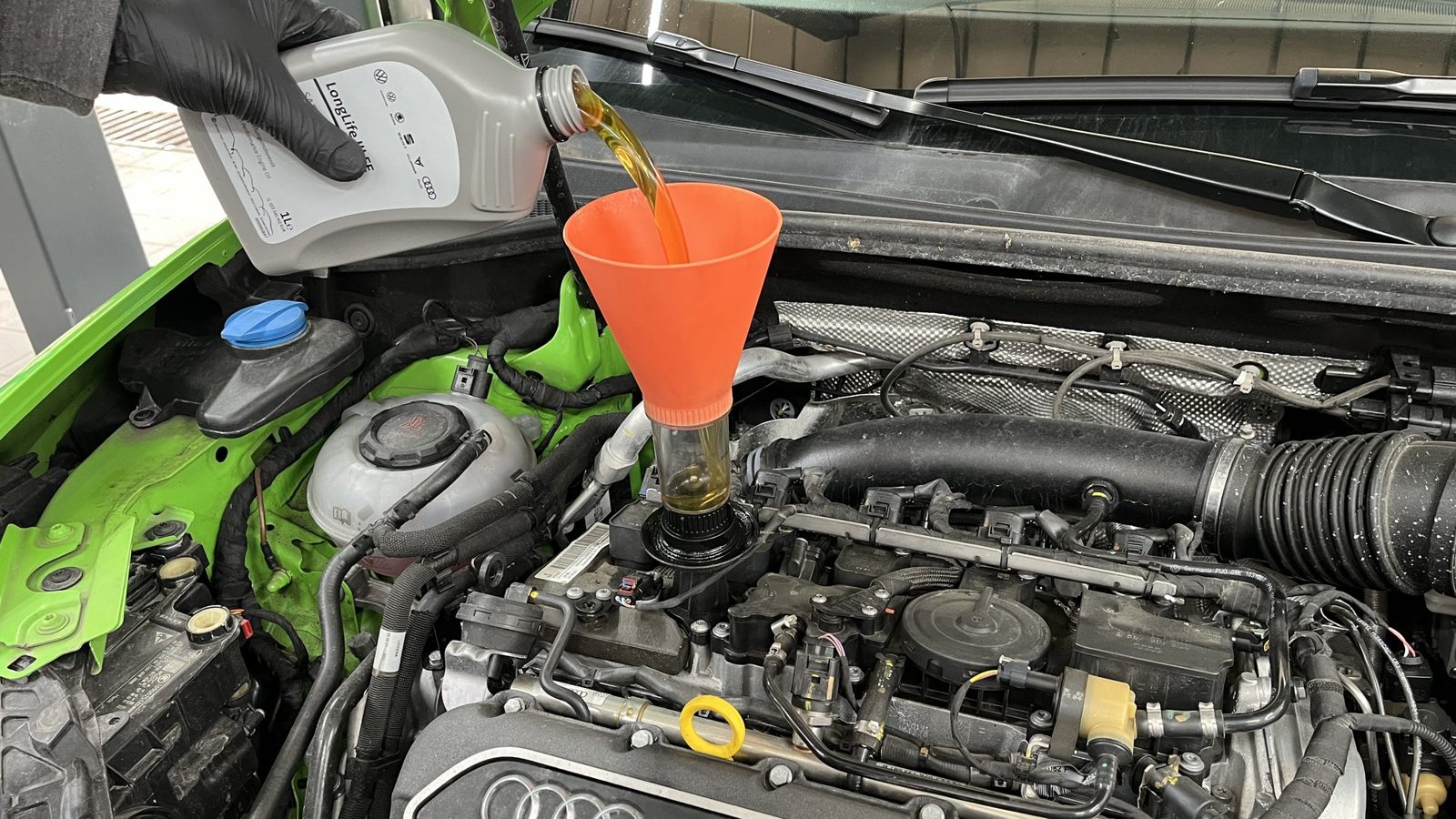
At first glance, this is a fairly straightforward turbocharged petrol engine. But don't let its relatively simple design fool you. The turbo, timing belt, chain and lubrication system all need to work properly if you want the engine to last. And the most important thing of all is the oil. Because when oil doesn't reach the places it needs to, even the best engine starts to suffer.
What are the common weak points of the 1.8T?
This is the part I really want you to read carefully. Not because the 1.8T is a bad engine, but because most of its problems have perfectly understandable causes. And when you know what to look out for, you can catch trouble early. The problem is that too many owners wait for the car to tell them something has broken. And sometimes, by the time it does, it's already too late.
Engine oil, turbo and oil pump pickup strainer
This is the biggest weak point of the 1.8T. When engine oil isn't changed on time, or the wrong oil is used, sludge and deposits start building up inside the engine. These can block the oil pump pickup strainer and the pipe supplying oil to the turbo. Think of it like a blocked pipe – the pump is supposed to circulate oil, but it can't get enough of it to all the places that need it. The result is poor lubrication of the turbo and engine bearings.
And here's the nasty part. The engine won't necessarily start rattling straight away, and you might not even see a warning light. The damage can develop quietly until one day a major repair becomes unavoidable. That's why I don't accept "the oil still looks fine" as a reason to put off an oil change. Engine oil isn't there for decoration. It's what keeps your engine alive.
Ignition coils
If your 1.8T starts misfiring, shaking or the engine warning light starts flashing, the ignition coils are one possible cause. They supply the high voltage needed to create a spark at the spark plugs. When one stops working properly, the engine starts running unevenly. But don't rush out and buy new coils just because someone in an online group says they're a common problem. Diagnose first, buy parts second.
Crankcase ventilation and hoses
"Kris, there's a whistling noise, and I've found oil in the hoses and intercooler." I've heard that one plenty of times. It could be related to the crankcase ventilation system. This system carries gases away from the crankcase, and its hoses can cause trouble as they age. You might notice whistling, leaks and oil in the intercooler. But finding oil there doesn't automatically mean the turbo needs replacing. I've explained the difference in detail in my article about turbo or crankcase ventilation.
Camshaft chain tensioner
Remember how I mentioned that the 1.8T has a short chain between the camshafts as well as a timing belt? That's where the chain tensioner comes in. Its job is to keep the chain properly tensioned. When something goes wrong, you may hear a distinctive rattling noise. Oil can also leak from the gasket in this area. Don't ignore these signs. And if you're dealing with oil leaks, have a read of my article about oil leaks from the valve cover.
Turbo diverter valve
If your car doesn't pull as strongly as it used to, or you hear an unusual whistling noise when you lift off the accelerator, the turbo diverter valve needs checking too. Its job is to release pressure when you take your foot off the accelerator. When it isn't working properly, you can notice a real difference in how the engine behaves. But a loss of power alone isn't enough to blame the valve. We need to test it, not guess.
How should I service my Golf 4 1.8T engine?
If you want this engine to last, the most important thing is not to cut corners on regular servicing. I'm not talking about unnecessary repairs or replacing perfectly good parts. I'm talking about the basics that protect the turbo and engine from serious damage. Because repairing an engine after neglected maintenance is always more painful than doing the maintenance in the first place.
- Change the engine oil and all filters – oil, fuel, air and cabin – every 10,000 km or once a year, whichever comes first. Use engine oil that meets the VW specification for your particular engine, as stated in the handbook. This applies even if you're using LongLife oil. The manufacturer's extended service intervals also take environmental requirements into account, but I put engine health first.
- Replace the timing belt according to the requirements for your specific engine. When it's time, look at the complete timing belt kit – belt, rollers and water pump. Don't focus only on the belt or assume everything else is fine just because the belt looks good.
- Don't push the engine hard before it's warmed up. After a spirited drive, let it idle for a while before switching it off. This is especially important for the turbo, which operates at very high temperatures.
- Service the crankcase ventilation filter on petrol engines every 60,000 km. On the 1.8T, keep an eye on the condition of the hoses too, because problems there can make you think the turbo has failed when it hasn't.
- Change the brake fluid every 2 years and the coolant every third heating season. Have the air conditioning serviced every spring, including a system check, replacement of the receiver-drier and the oil in the system. Simply topping up the refrigerant isn't a proper A/C service.
- Have the car inspected at a workshop every 6 months. That gives you a chance to catch small problems before they turn into expensive repairs.
WARNING! A 1.8T with an unknown oil change history is a gamble. Sludge and deposits can block the oil pump pickup strainer and restrict the oil supply to the turbo without the engine showing any obvious symptoms straight away. Don't wait until it starts rattling before you think about lubrication.
Is a Golf 4 1.8T still worth buying today?
Yes, if you love cars, you're happy to look after them and you find one with a good service history. The 1.8T is an engine with real character, and it's still great fun today. There's a reason it has so many fans and why people are still remapping these engines. But if you just want a car you can drive without ever thinking about when the oil was last changed or what's happening under the bonnet, I'd think carefully before buying one.
For me, the most important thing isn't the horsepower figure in the advert. What matters is how the engine has been maintained, how it runs now and whether there are signs of problems building up. A well-looked-after 1.8T makes far more sense than a neglected example with big promises about huge power. And remember – you're buying the condition of the car, not the story the seller tells you.
Tip from Kris Mladenov: Before buying a 1.8T, ask for a compression test and an endoscope inspection so you can see what condition the engine is in internally. Don't rely solely on the fact that the car starts easily and drives well. I've explained what these checks can reveal in how we check engine health. It's much better to know what you're buying than to find out afterwards.
I hope you've found this article useful! If you have, I'd really appreciate you sharing it with a friend who drives a Golf 4, Audi A3, Leon, Octavia or another car with a 1.8T engine. My mission is simple – when I know something useful, I want more people to know it too. Because the right information can save you a lot of trouble. And when you ignore a problem for too long, you're the one who ends up paying for the repair out of your own pocket.
The solution in our shop
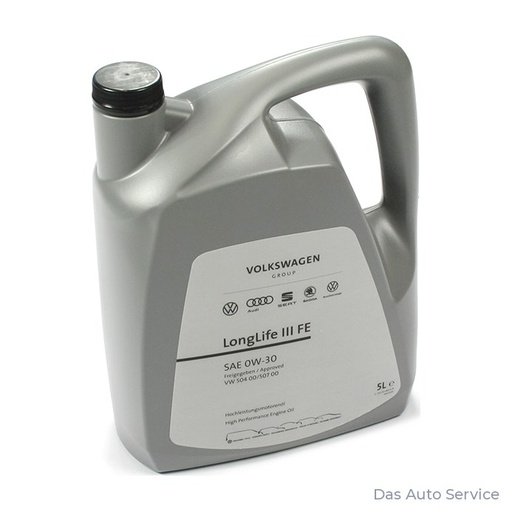
Genuine Longlife III FE 0W30 oil 5L
Genuine LongLife III engine oil meeting VW 504 00 is an option when that specification is suitable for your particular engine. Regardless of the LongLife label, I recommend changing the oil every 10,000 km or once a year, whichever comes first.
View in shop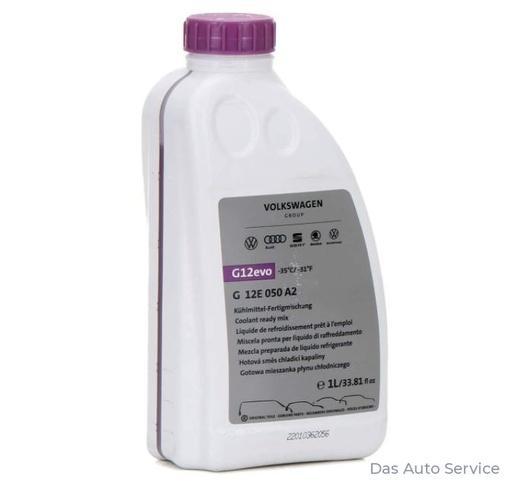
Genuine VAG G12Evo antifreeze G12E050A2 1.0l
Genuine G12evo coolant is designed for the cooling system when it's compatible with your particular vehicle. Using the correct coolant helps the system maintain the proper operating temperature.
View in shopRead more
- Routine servicing
- Diagnostics
- Engine Compression Test: How We Check Engine Health
- Valve Cover Oil Leak: Causes and Repairs
- Oil in TDI Intercooler: Turbo or Breather?
Frequently asked questions
What are the most common 1.8T engine problems?
Sludge and deposits blocking the oil pump pickup strainer, turbo problems, ignition coil failures, crankcase ventilation issues, camshaft chain tensioner problems and turbo diverter valve faults. What worries me most is poor lubrication, because it can damage both the turbo and the engine itself.
AUQ vs AGU – what's the difference?
Both are transversely mounted 20-valve 1.8T engines, but the AGU produces 150 hp while the AUQ produces 180 hp. Always check the exact engine code when servicing the car or choosing replacement parts.
How much horsepower can a 1.8T make?
The factory versions covered in this guide range from 150 to 225 hp, with the BAM producing 225 hp. When it comes to remapping, the possibilities depend on the particular engine and its condition. That's why I recommend checking the engine's health before chasing more power.
When should the 1.8T timing belt be replaced?
Follow the requirements for your specific engine code. When replacing the timing belt, make sure the belt, rollers and water pump are all checked, rather than focusing on the belt alone.