The VW Golf 7 1.6 TDI is one of Europe's most common company and family cars, so it's hardly surprising that so many have found their way to Bulgaria. We're talking about the 5G generation, built between 2012 and 2020, with the EA288 diesel engine under the bonnet producing 90, 105 or 110 hp. Whenever someone asks me for a Golf 7 1.6 TDI review, my answer is usually the same: it's a good car, my friend, but you need to know what you're buying it for and what to look out for. Low fuel consumption is lovely, but there could be a few less pleasant surprises waiting after you've bought it. And those are exactly what I want to talk you through.
Who is the Golf 7 1.6 TDI right for?
If you cover plenty of miles, travel regularly and want a car that won't empty your wallet every time you fill up, the Golf 7 1.6 TDI is well worth a look. This TDI is happiest on longer journeys, not when you start it in the morning for a few minutes to work and do the same journey home in the evening. The engine is relaxed, predictable and designed to use very little fuel. Just don't expect a sports car. That's not what it was built for.
I've always said that the best car isn't necessarily the most powerful or the most expensive. It's the one that suits the way you drive. With this Golf, the idea is simple: plenty of miles, very little fuel. If that's what you need, it's definitely worth considering. But if you hardly ever leave the city, we've got a problem. And that problem is called the DPF.
Which engines and gearboxes does the Golf 7 1.6 TDI have?
The Golf 7's 1.6 TDI belongs to the EA288 engine family. It comes in several power outputs, but the idea is the same: an economical diesel for everyday driving and longer journeys. When you're choosing one, though, don't focus entirely on the engine. The gearbox matters just as much, especially if the Golf has already covered a lot of miles.
- 1.6 TDI EA288 with 90, 105 or 110 hp – different versions of the same engine from the newer diesel family.
- 5-speed manual gearbox – for you if you prefer changing gears yourself.
- 7-speed DSG DQ200 automatic with a dry clutch – convenient for everyday driving, but pay close attention to how it pulls away and whether it's been serviced.
What problems do we see with the Golf 7 1.6 TDI in the workshop?
This is where I really want you to pay attention. I'm not going to tell you how wonderful the Golf is without also telling you what can go wrong. The Golf 7 1.6 TDI has a few known weak points that we always check in the workshop. That doesn't mean every car will develop these problems. But knowing where to look can save you a lot of trouble.
Why is the EGR cooler a weak point?
On the EA288 engine, the EGR cooler is a well-known trouble spot. It can start leaking coolant without leaving a single drop underneath the car. You check the expansion tank and the level has dropped. You top it up, drive for a while, and down it goes again. Sometimes the car starts producing white smoke too. Please don't ignore this, my friend. Coolant doesn't just disappear for no reason.
Why does the DPF clog up with city driving?
The Golf 7 1.6 TDI likes longer journeys, not endless short trips around town. If that's how you mainly drive it, the DPF starts filling up and sooner or later the problems begin. Plenty of people choose a diesel because it uses less fuel, without stopping to think whether they actually drive enough to keep it happy. Then they wonder why things start going wrong. That's why I've explained everything in detail in DPF in the city – how to drive without clogging it up.
Why does the DSG DQ200 jerk and judder?
If you've found a Golf with an automatic gearbox, pay particular attention to the DSG DQ200. It's a 7-speed DSG with a dry clutch, and one of the familiar symptoms is jerking or juddering when pulling away. Sometimes people get used to it and convince themselves that's just how the gearbox works. No, my friend. Don't accept that as normal, especially when you're about to buy the car. I've explained it in detail in DSG DQ200 – why the gearbox jerks and judders.
What should you know about the timing belt and water pump?
I don't like taking chances with timing belts. When it's time for a replacement, we don't just change the belt and hope everything else holds together. We replace it along with the water pump and tensioners because the whole timing belt kit needs to be in proper condition. On engines built after 2015, we do this every 180,000 km or 5 years, whichever comes first. If you want to know exactly what's included in this service, have a look at what's included in the genuine timing belt kit with water pump.
What should you check before buying a Golf 7 1.6 TDI?
When you're buying a used car, a lovely interior is a nice bonus, but its mechanical condition matters far more. Clean upholstery won't fix a faulty EGR cooler, a clogged DPF or a troublesome DSG. So before you decide whether this Golf is worth your money, I want you to check a few specific things. Especially if you don't know its full service history.
- Check the coolant level in the expansion tank and look for signs of leaks. If it constantly needs topping up, something isn't right.
- Run diagnostics on the engine, EGR, DPF and DSG if it's an automatic. Check for stored fault codes.
- Check the service history and genuine mileage. Don't just trust the number on the dashboard. Look at how the car has been maintained.
- Take it for a proper test drive, including pulling away on a hill. If it has DSG, pay attention to any jerking or juddering.
If you can't check all of this yourself, please don't make your decision after one quick drive around the block. A proper pre-purchase inspection will give you a much clearer picture of what you're actually buying. Believe me, it's far better to discover the problems before you hand over your money than to end up paying to fix them out of your own pocket afterwards.
What is the correct Golf 7 1.6 TDI service schedule?
Maintenance isn't about changing the oil whenever you remember or when the car starts complaining. If you want to keep this Golf running for years, you need to be consistent. At Das Auto Service, we follow clear service intervals based on our workshop experience and driving conditions in Bulgaria. And here's something important: just because the oil says LongLife on the bottle doesn't mean you should put off changing it.
- Engine oil and all filters – every 10,000 km or once a year, whichever comes first. It doesn't matter whether you're using LongLife oil or any other type.
- DSG DQ200 – change the gearbox oil every 60,000 km, using genuine oil only. We always carry out an adaptation afterwards.
- Timing belt, water pump and tensioners – every 180,000 km or 5 years (for engines built after 2015). We replace everything together.
- Brake fluid – every 2 years.
- Coolant – every third heating season.
- Preventative workshop inspection – every 6 months.
To me, proper maintenance means not waiting until your car starts complaining. If the engine management light is already on, the glow plug warning light is flashing or the engine isn't running properly, get it diagnosed. Don't just wait and hope it sorts itself out. The same goes if the DSG starts juddering. The sooner you have the problem checked, the more sensible you're being.
IMPORTANT! If the coolant level keeps dropping but you can't see a leak anywhere, have the EGR cooler checked before you carry on driving. Constantly topping up the coolant isn't a repair, and it won't solve the problem.
What's my verdict on the Golf 7 1.6 TDI?
The Golf 7 1.6 TDI is a good buy if you want an economical car for covering plenty of miles and you find one with a clear service history. Personally, I'd pay the closest attention to the cooling system, the DPF and how the DSG behaves if it's an automatic. If the coolant is below minimum and nobody can explain why, I wouldn't overlook it. And if you drive almost entirely around town, I'd point you towards something better suited to your needs.
The Golf 7 1.6 TDI isn't some engineering miracle, but it's certainly not a car you need to run away from either. It's simply built for a particular kind of driving, and it has a few known weak points. Check them before buying, look after it properly, and it can be a sensible purchase. But please, don't buy a diesel just because someone told you it uses very little fuel. Think about where you'll actually drive it and how many miles you're going to cover.
Advice from Kris Mladenov: Before you get distracted by the lovely upholstery, open the bonnet and look at the coolant expansion tank. Check the level, and don't turn a blind eye if there are signs that the car is losing coolant. On the Golf 7 1.6 TDI, that's exactly where one of the nastiest surprises after buying can be hiding.
I hope this has helped you! If you've got a friend who drives a Golf 7 1.6 TDI or is thinking of buying one, share this article with them. I've always wanted one simple thing: for the knowledge I've gained through my work to reach more people. Because when you understand your car, you make better decisions and it's much harder for someone to pull the wool over your eyes.
The solution from our shop

Genuine LongLife III FE 0W30 5L engine oil
Genuine LongLife III oil is suitable for servicing your engine, but that doesn't mean you should leave it in for longer. My recommendation remains every 10,000 km or once a year, whichever comes first.
View in our shop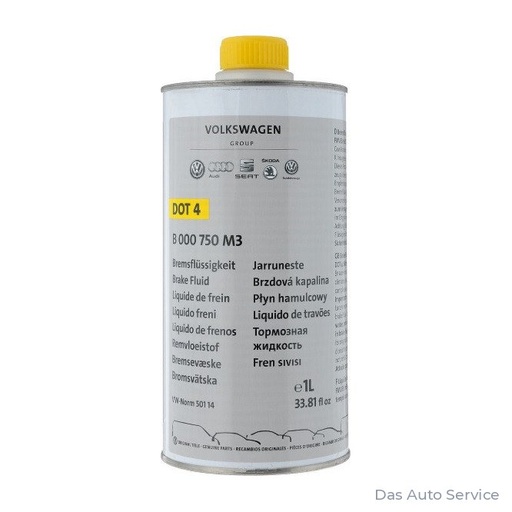
Genuine VAG DOT 4 brake fluid B000750M3 1 litre
Genuine DOT 4 brake fluid is what you need when servicing the braking system. I recommend changing it every two years.
View in our shopRead more
- Pre-purchase inspection
- Routine servicing
- DSG DQ200 with dry clutch: why does the gearbox jerk and judder?
- DPF in the city: how to drive without clogging it up
- Timing belt kit with water pump: what's included in the genuine kit
Frequently asked questions
How much fuel does the Golf 7 1.6 TDI use?
It's an economical TDI built to cover plenty of miles without using much fuel. Exactly how much it uses depends on where and how you drive, so I'm not going to promise you the same fuel consumption from every car.
What's the EGR problem on the 1.6 TDI EA288?
One of the known weak points is the EGR cooler, which can start leaking coolant. The level in the expansion tank drops, sometimes you get white smoke from the exhaust, and there may be no visible leak anywhere outside the engine.
Golf 7 1.6 or 2.0 TDI – which should I choose?
If you want a relaxed, economical car that can cover plenty of miles, the 1.6 TDI is a good choice. Whether the 2.0 TDI would suit you better depends on the particular car, its condition and, most importantly, how you intend to drive it.
Is a Golf 7 1.6 TDI with DSG DQ200 worth buying?
Yes, provided the DSG works properly, doesn't jerk or judder when pulling away, and has a clear service history. The gearbox oil needs changing every 60,000 km using genuine oil, followed by a mandatory adaptation.