"Should I fit LPG to my TSI?" I hear this question so often that I usually know what you're going to ask before you've even finished your sentence. And I completely understand. You've got a petrol car, fuel costs are eating into your budget, and you're looking for a way to save money. Fair enough. But there's something a lot of people overlook: TSI and FSI engines aren't like the old petrol engines we used to convert to LPG and drive without a worry. That's why my answer hasn't changed. I don't recommend fitting LPG to a TSI or FSI engine. Let me explain why, so you can decide for yourself whether the savings are worth the risk.
What makes a TSI engine different from an older petrol engine?
Think about an older petrol engine, where fuel is injected before the cylinder and enters together with the air. TSI and FSI engines work differently. Petrol is injected directly into the cylinder at very high pressure. That means the injectors work in a completely different environment, exposed to much higher temperatures. And this is where things get interesting.
In these engines, petrol does more than just burn. It also cools the injectors as it passes through them. The entire fuel system has been designed to work this way. When you decide to run it on a different fuel, you're changing the conditions it was built for. If you'd like to understand how this system works, have a read of my article about high fuel pressure in TSI engines.
What are the risks of LPG conversion on TSI engines?
I want you to understand something here. I'm not saying every car fitted with LPG will inevitably break down. What I'm saying is that TSI and FSI engines come with several serious risks you simply can't ignore. And when someone promises you nothing but fuel savings without explaining those risks, I don't think they're giving you the full picture.
- The petrol injectors can overheat. As I've explained, petrol helps keep them cool. If they stop working as they normally would because the engine has switched to LPG, the way they're cooled changes. And remember, these injectors sit directly inside the cylinders, where temperatures get extremely high.
- Combustion temperatures can rise. This puts extra strain on the valves and valve seats, the surfaces in the cylinder head that the valves close against. If something goes wrong there, we're no longer talking about a small service job. We're talking about engine repairs.
- Carbon deposits on the valves can build up even more. TSI and FSI engines already have their own issues with carbon build-up. These are hard deposits that gradually interfere with the engine's normal operation. An LPG conversion can make the problem even more complicated. I've explained this in detail in my article about carbon build-up on TSI and TFSI valves.
- The engine management system can start reporting faults. The engine's computer constantly monitors combustion and adjusts the fuel mixture. When you add an LPG system, getting the settings right becomes even more important. If they're not set up properly, the engine warning light can come on and the engine may not run as it should.
See what happens? You start out wanting to save money on fuel, but you end up adding another system that has to work properly alongside the engine. And when something goes wrong, the problem doesn't always stay within the LPG system. Sometimes the damage reaches the engine itself. That's exactly what worries me.
Are there petrol engines I'd happily convert to LPG?
Yes, there are. Older petrol engines without direct injection are generally a less risky choice. Their fuel systems work differently, so they don't have the same dependence on petrol cooling the injectors inside the cylinders. But that doesn't mean you can fit any old LPG kit and forget about it. The quality of the system and how it's installed are incredibly important.
If you're still choosing a car and you're determined to run it on LPG, I'd start with the engine. First, choose an engine that's better suited to an LPG conversion. Then look for the right car. Not the other way round. Because buying a TSI and then trying to work out how to make it suitable for LPG isn't the smartest approach.
What should I check when buying a car with LPG?
This is where I really want you to be careful. When you're buying a used car with an LPG conversion, don't just check whether it starts, drives and switches between petrol and LPG smoothly. That's a good start, but it's nowhere near enough. You need to know exactly what's been fitted and what condition the engine is in.
- Check which LPG system has been fitted and who installed it. I want to know exactly what's been done to the car, not just hear someone say, "The LPG works perfectly."
- Check the compression and carry out a cylinder leak-down test. This can help reveal whether the engine is sealing properly internally, including around the valves.
- Read the fault codes and check the fuel trims. The engine's computer may reveal problems you'd never notice during a short test drive.
Personally, I'd book a pre-purchase inspectionbefore handing over any money. Especially if it's a TSI or FSI with an LPG system already fitted. Not because there's definitely something wrong, but because I'd want to know exactly what I was buying. Once you've bought it, any repair bill is yours.
IMPORTANT! The money you save by running a TSI on LPG could disappear with a single cylinder head repair. Don't just look at how much you're saving every time you fill up. Think about what you could lose if the engine gets damaged.
What would I do in your position?
I won't beat around the bush. I wouldn't fit LPG to a TSI or FSI engine. Not because I've got anything against LPG, but because I know how these engines work, and I don't believe the risk is worth taking. If I really wanted to drive on LPG, I'd choose a petrol engine without direct injection. Simple as that.
And one more thing. Whether you're driving on petrol or your car already has an LPG conversion, don't neglect engine servicing. For cars driven in Bulgaria, I recommend changing the engine oil and all filters, including the oil, fuel, air and cabin filters, every 10,000 km or once a year, whichever comes first. That applies to LongLife oils too. I'd much rather we look after your engine in good time than have to work out later why it needed an expensive repair.
Tip from Kris Mladenov: If you cover a lot of miles and want to keep your running costs low, consider a diesel or hybrid before converting a TSI to LPG. Take your time comparing the options and choose a car that suits the way you drive from the start. That way, you won't have to modify the fuel system of an engine that wasn't designed for it.
I hope you've found this article helpful! If you have, I'd really appreciate you sharing it with a friend who's thinking about fitting LPG to a TSI. My mission has always been simple: when I know something useful, I want more people to know it too. Because I'd much rather save you an expensive repair with a bit of timely advice than see you at the workshop when it's already too late.
The solution in our shop
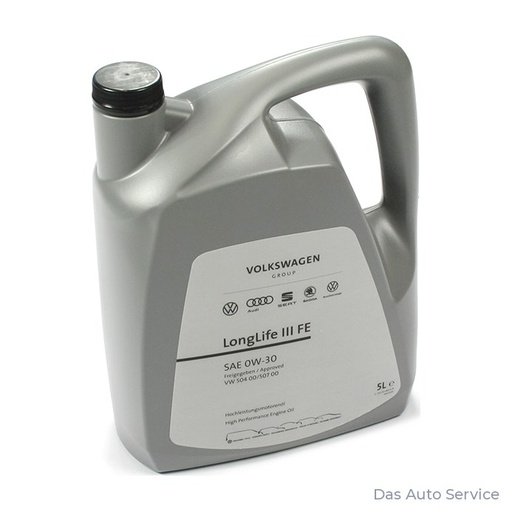
Genuine Longlife III FE 0W30 oil 5L
Genuine LongLife III engine oil is designed for engines where it's specified. What matters is using the correct oil and not extending the service interval.
View in shopRead more
- Diagnostics
- TSI High-Pressure Fuel Pump: Faults and Diagnosis
- TFSI Intake Valve Carbon Build-Up: Causes and Cleaning
Frequently asked questions
Can you fit LPG to a TSI engine?
Technically, yes, but I don't recommend it. Direct injection and the way petrol cools the injectors make this kind of conversion riskier.
Can LPG damage an engine?
Not every engine, but with TSI and FSI engines there's a risk of injector overheating, valve problems, increased carbon build-up and engine management faults. That's why you shouldn't focus only on the fuel savings.
Which engines are suitable for LPG conversion?
Older petrol engines without direct injection are generally a less risky choice. But even with those engines, a quality LPG system and proper installation are essential.