Got a manual gearbox oil leak? You spot a patch of oil under your car, bend down for a closer look and notice the gearbox is wet underneath. Your first thought is probably, "It's only a bit of oil. I'll top it up and it'll be fine." But a manual gearbox doesn't hold much oil, and running low is one thing it really doesn't like. I'm telling you this because a small oil patch today could turn into a very expensive repair tomorrow. And the frustrating part? Quite often, the whole problem starts with a simple oil seal or a leaking plug.
How do I know if my manual gearbox is leaking oil?
The easiest sign to spot is an oil patch where you normally park. You might also notice that distinctive smell of gearbox oil. If the leak continues and the oil level drops, changing gear can become harder and you might start hearing a whining noise from the gearbox. That's the sound I really don't want you to hear, because it could mean the bearings aren't getting enough lubrication. And at that point, we're no longer talking about a small nuisance. We're talking about the risk of serious damage.
There's something else worth knowing. Just because you see oil around the gearbox doesn't automatically mean it's running dangerously low. But you can't tell how much oil it's lost simply by looking at the patch underneath. That's why I don't like hearing things like, "It's only weeping a little. Just keep driving." First, we need to find out exactly where the oil is coming from and how much is still inside. Otherwise, we're just guessing.
Where does a manual gearbox oil leak usually come from?
There are several places where oil can escape from a manual gearbox. Some leaks are easy to find, while others are hidden away and take more work to reach. The good news is that a leak doesn't always mean the gearbox itself is damaged. The bad news? Leave it long enough and you could end up with a damaged gearbox anyway. Here's where I look first.
- Driveshaft oil seals. These are the seals where the driveshafts come out of the gearbox. They're among the most common causes of oil leaks. If you notice oil around this area, it needs checking carefully. I've explained more about the CV joints and driveshafts in a separate article.
- Filler and drain plugs. One is used to fill the gearbox with oil, and the other to drain it. If a plug seal isn't doing its job properly, oil can start leaking around it. It might look like a tiny problem, but over time the oil level drops. Don't ignore a wet gearbox plug.
- Input shaft oil seal. This seal sits around the shaft that transfers power from the engine into the gearbox. When it starts leaking, oil can reach the clutch. This is a more awkward leak to deal with because the seal isn't easy to access. I want you to know about it, especially if you're already planning to have the clutch worked on.
- Gear selector shaft seal. This is the seal around the mechanism that lets you select gears. Oil can leak from here too, even when everything else around the gearbox looks perfectly fine. That's why I always check this area during an inspection.
- Blocked gearbox breather. The gearbox has a breather that allows the pressure inside to equalise. If it becomes blocked, pressure can build up and push oil past the seals. In that situation, the oil seal itself might not be the only problem. We need to find what's causing the leak, not just replace the part where the oil happens to be escaping.
Why isn't topping up the gearbox oil enough?
Because topping up the oil doesn't fix the leak. Imagine a bucket with a hole in it. You can keep filling it with water, but the water will keep escaping. Your gearbox works the same way, except there are bearings inside that depend on that oil to work properly. You top it up today, the level drops again tomorrow, and eventually the gearbox starts whining. By then, we could be dealing with a lot more than a leaking seal.
I'm not saying topping up the oil is pointless. I'm saying it's not a repair on its own. If someone offers to do nothing more than add some oil and send you on your way, without finding out where it's leaking from, the problem is still there. And the person who told you to keep driving won't be the one paying for the damage later. You will.
How do you repair a manual gearbox oil leak?
The first thing we do is clean the oily areas properly and inspect the gearbox to find exactly where the leak starts. This matters because oil can spread across the gearbox casing and make it look as though it's coming from somewhere else. I don't want us replacing parts based on guesswork. I want us to find the culprit and fix the actual cause.
- We clean the gearbox and check exactly where the oil is escaping. This helps us tell whether the leak is coming from an oil seal, a plug or another gasket.
- We replace the damaged oil seal or gasket. If a blocked breather is causing the problem, we need to sort that out too. Otherwise, the leak could come straight back.
- We fill the gearbox with oil that meets the correct specification and set the level properly. Different gearboxes have different requirements, and I'm not going to pour in whatever oil happens to be lying around. I've explained why this matters in my article about manual gearbox oil.
When should I stop driving my car?
If your gearbox is already whining, you're struggling to change gear or there's a large patch of oil under the car, don't keep driving. These are signs that the problem could already be serious. The whining worries me most because it can mean the bearings are suffering from a lack of oil. Don't wait for the gearbox to show you just how much more punishment it can take.
IMPORTANT! If your manual gearbox is whining, difficult to shift or losing a lot of oil, stop driving and arrange an inspection. Damaged bearings can lead to a complete gearbox rebuild. I've explained what that involves in my article about the gearbox on the workbench.
Tip from Kris Mladenov: Whenever you're having a driveshaft or clutch replaced, ask for the relevant oil seal to be replaced as well. It's a relatively small extra expense that could save you a lot of trouble later. And if you notice oil underneath the gearbox, don't wait until it starts whining. Get the problem sorted while it's still small.
I hope you've found this article useful! If you have, I'd really appreciate you sharing it with a friend who drives a manual car. My mission is simple: when I know something useful, I want more people to know it too. Because sometimes, getting something checked at the right time can save you from a repair bill nobody wants to pay.
The solution in our shop
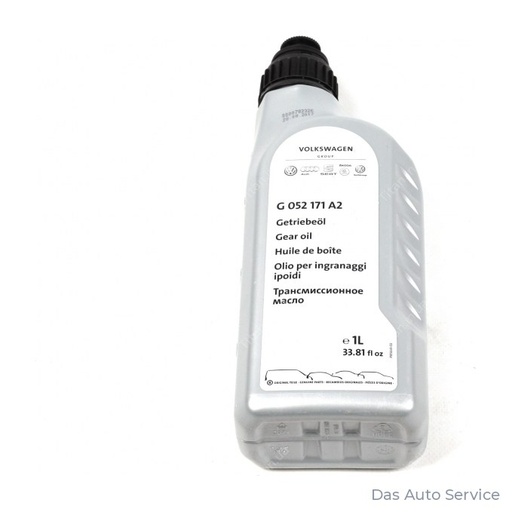
Genuine manual gearbox oil G052171A2 1l
Genuine manual gearbox oil, selected from the parts catalogue for your specific gearbox. Using the correct specification is important for proper lubrication and smooth gear changes.
View in shopRead more
- Gearbox servicing
- Diagnostics
- Manual Gearbox Oil Change: Is It Really Necessary?
- VAG CV Joint Clicking When Turning: Causes and Repairs
- Manual Gearbox Rebuild: How the Process Begins
Frequently asked questions
Why is my gearbox leaking oil?
The most common cause is a worn driveshaft oil seal, but the leak could also come from a plug seal, the input shaft oil seal or the gear selector shaft seal. A blocked gearbox breather can also cause pressure to push oil out through the seals.
Can I drive with a gearbox oil leak?
I wouldn't recommend carrying on driving without first checking where the oil is leaking from and how much is left in the gearbox. If the gearbox is whining, gears are difficult to select or there's a large oil patch underneath, stop driving. Otherwise, you risk damaging the bearings.
Does manual gearbox oil need changing?
Yes, manual gearbox oil does need changing. The important thing is to use oil that meets the correct specification for your particular gearbox and make sure it's filled to exactly the right level.
Can gearbox oil leak from just the drain plug?
Yes, absolutely. If the seal on the filler or drain plug isn't sealing properly, oil can leak from there even when there's nothing wrong inside the gearbox.