"Kris, tell me which TSI engine is reliable. I don't want to buy a car and then spend my life at the garage!" I hear this all the time, and I completely understand. More and more people are looking for a used petrol car, but once they start reading the forums, their heads start spinning. One person says TSI engines burn oil, another complains about the timing chain, and someone else has covered a huge mileage without a single problem. The thing is, all three could be telling the truth. So let me walk you through what I consider the most reliable used VAG petrol engines, where their weak spots are and how to avoid buying someone else's problems.
What actually makes a petrol engine reliable?
To me, a reliable engine isn't one that never breaks down. That engine doesn't exist. A reliable engine is one whose weak spots I know, whose problems I can catch early and which can cover a high mileage with the right maintenance. There's a world of difference between an engine with a known issue that's been fixed in time and one the previous owner kept driving until it finally gave up.
And this brings me to something I keep telling people. If you're driving in Bulgaria, change the engine oil and every filter every 10,000 km or once a year, whichever comes first. Oil filter, air filter, fuel filter and cabin filter, all together. Even if you're using LongLife oil. Longer service intervals are designed with environmental targets in mind, but I'm more interested in keeping your engine healthy. And when a repair is needed, I insist on genuine parts. Because the cheap fix doesn't always turn out to be cheap in the end.
Which used VAG petrol engines would I recommend?
1.4 TSI EA211 – the little engine that's worth buying
If you're shopping for a used petrol car, the 1.4 TSI EA211 is one of the first engines I'd look at. It appeared in 2012, and there's one important difference compared with the older 1.4 TSI: it uses a timing belt instead of a chain. That matters because people often lump these two engines together when they're actually quite different. So don't buy a car just because it says TSI on the back. Find out exactly which engine is under the bonnet.
One weak spot on the EA211 is the plastic water pump module. It's part of the cooling system that keeps the engine at the right temperature. If it starts leaking coolant, please don't just think you'll top it up and carry on driving. I've written a separate article about what to watch for with the 1.4 TSI EA211 water pump and thermostat. I'd much rather you knew about this before buying the car than found out afterwards.
1.8 and 2.0 TSI EA888 Gen 3 – are they worth buying?
Absolutely. They're well worth considering, provided you find a car that's been properly looked after. The third-generation EA888 1.8 and 2.0 TSI engines are strong, durable engines that I personally like. But there's one big condition. The engine oil and coolant need to be in good condition. I don't care how beautiful the car looks on the outside if there are signs of neglected maintenance under the bonnet.
With these engines, I pay particular attention to the water pump and thermostat. They can develop coolant leaks, and that's not something I want you putting off until next month. If you're considering one of these cars, have a read of my article about water pump and thermostat leaks on the EA888 Gen 3. There's no need to be afraid of the engine. You just need to know where to look.
What about older naturally aspirated petrol engines?
Not everyone wants a turbo and lots of horsepower. If you're after something simpler for relaxed everyday driving, the older naturally aspirated 1.6 petrol engine is worth considering too. These engines have a simpler design and are inexpensive to maintain. I'm not going to promise you miracles, but sometimes simplicity really is the biggest advantage. Especially when all you want is a car that gets on with the job.
Which petrol TSI engines need extra attention?
Here's where I want to talk about the older 1.2 and 1.4 TSI engines from the EA111 family. They use a timing chain, and that's one of the main things you need to watch out for. If the engine rattles when it's cold, don't automatically accept someone telling you that all TSI engines sound like that. They don't. Before handing over your money, read what I've explained about the EA111 timing chain and tensioner.
That doesn't mean every car with one of these engines is a bad buy. It just means you need to be more careful. So many people focus on the year, the equipment and the mileage on the dashboard, but overlook the most important thing: how the engine has been maintained. And sometimes that's exactly what makes the difference between a great purchase and a very expensive lesson.
What should I check before paying for the car?
Let me give you the three things I'd start with. They're not complicated, but they could save you a lot of headaches. And please don't let a lovely interior and shiny paintwork distract you from what's going on under the bonnet.
- Start the engine when it's completely cold. Listen carefully for any rattling during the first few seconds. Don't agree to inspect it only after it's already warmed up.
- Check for coolant leaks. Pay particular attention to the water pump and thermostat on the engines we've discussed. Don't accept constant coolant top-ups as normal.
- Check whether the engine burns oil and ask for its service history. Find out when the oil was last changed, what work has been done and whether there's paperwork to prove it. Someone saying "it's all been serviced" is not a service history.
These are exactly the sorts of things we check during our pre-purchase inspectionat Das Auto Service. I'm not trying to find an excuse to stop you buying the car. I want you to understand exactly what you're buying and what might be waiting for you down the road. Because once you've paid for it, those problems become yours.
IMPORTANT! An engine described as "reliable" isn't necessarily healthy if there's no service history. Ask for maintenance records and don't rely on promises alone. Even the best engine can turn out to be a bad purchase if nobody bothered looking after it before you.
Which petrol VAG engine would I choose for myself?
If I were buying one, I'd be looking at either the 1.4 TSI EA211 or the third-generation 2.0 TSI EA888. But I'd insist on a proper service history. For me, these offer the best balance of reliability and the ability to maintain the engine properly. I'd much rather buy a car with clear paperwork and known weak spots than a supposedly perfect car that nobody knows anything about.
Tip from Kris Mladenov: Go and listen to the engine first thing in the morning, when it's completely cold. Those first few seconds can tell you more than the entire advert. And before you hand over your money, check the service history and have the car inspected. I'm telling you this as a friend: if you skip these checks, you'll be the one paying for the repairs out of your own pocket.
I hope you've found this article useful! If you have, I'd really appreciate you sharing it with a friend who's looking for a used petrol car. My mission is simple: when I know something useful, I want more people to know it too. Because the more you understand about your car, the harder it is for someone to mislead you, and the less money you'll waste paying for other people's mistakes.
The solution in our shop

Genuine Longlife III FE 0W30 oil 5L
Genuine LongLife III engine oil is intended for engines where it's specified. But even with this oil, I recommend changing it every 10,000 km or once a year, whichever comes first, along with all the filters.
View in shop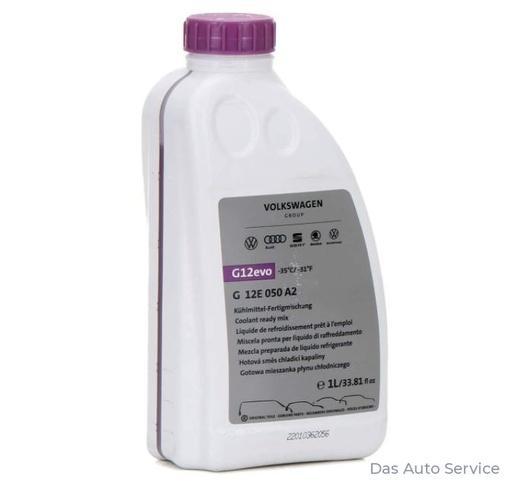
Genuine VAG G12Evo antifreeze G12E050A2 1.0l
Genuine G12evo coolant is important for maintaining the cooling system properly when it's specified for your car. Don't ignore the condition of the coolant or any leaks.
View in shopRead more
- Pre-purchase inspection
- 1.4 TSI EA211 Water Pump and Thermostat Problems
- 2.0 TSI Water Pump Leak: EA888 Gen3 Problems
- 1.4 TSI Timing Chain Problems: Rattle and Turbo Noise
Frequently asked questions
What is the most reliable VW petrol engine?
I'd start with the 1.4 TSI EA211 and the third-generation 2.0 TSI EA888. Both are good choices if they've been properly maintained and have a clear service history.
Should I choose the 1.4 TSI or the 1.5 TSI?
Of the engines I've covered here, I can recommend the 1.4 TSI EA211. I wouldn't give you a definite verdict on the 1.5 TSI without knowing the exact engine and the service history of the particular car.
Does the EA888 Gen 3 have any common problems?
Yes. The main things to watch for are coolant leaks from the water pump and thermostat. It's a strong, durable engine, but the oil and coolant need to be properly maintained.
Can I trust a used car advert that says "fully serviced"?
Trust the paperwork, not just someone's word. Ask for the service history and get a pre-purchase inspection so you know exactly what you're buying.