"Which VW diesel engine is the most reliable?" I hear this question all the time at the workshop. And my answer is always the same: no engine lasts forever. But some engines can cover huge mileages without needing a major rebuild if you look after them properly, while others need a lot more attention. The problem is that people often buy a car because of an engine's reputation without checking how it's been maintained. Then they wonder why this supposedly bulletproof diesel starts rattling, burning oil or giving them other problems. So I'm going to show you what I consider the most reliable used VW diesel engines across the VAG range, and when I'd recommend buying one.
What makes a diesel engine reliable in my book?
To me, a reliable engine isn't one that somebody on a forum claims has covered an enormous mileage without a repair. It's an engine that can cover a lot of miles without a major rebuild, provided it's properly maintained, fitted with genuine parts and has its known weak points dealt with in good time. And there's something people often overlook. Even the best engine can be ruined by poor maintenance. That's why I don't just look at which engine a car has. I also want to know what's happened to it over the years.
At Das Auto Service, I recommend changing the engine oil and all filters – oil, fuel, air and cabin – every 10,000 km or once a year, whichever comes first. This applies to cars driven in Bulgaria, regardless of which oil you use or whether the car has a LongLife service schedule. Manufacturers' recommendations are often influenced more by environmental regulations than by making an engine last as long as possible. I'd rather protect the engine than wait for something to go wrong. It's that simple.
Which are the most reliable used VW diesel engines I'd recommend?
1.9 TDI PD – the tough old diesel
If you've ever looked into diesel Volkswagens, you'll almost certainly have heard of the 1.9 TDI PD, also known as the Pumpe Duse engine. It's one of those engines that has earned a reputation for lasting a very long time, and for good reason. Its design is relatively simple, and with proper maintenance it can cover a huge mileage. But! There's one very important condition: the engine oil must meet the correct VW specification for that engine. Not just any good-quality oil. It has to be the right one.
With PD engines, choosing the right oil isn't a minor detail you can ignore. If the engine hasn't been serviced properly, its good reputation won't save it. That's why, before buying one, I'd want to know exactly which oil has been used and how regularly it's been changed. If you'd like to learn more about these engines, read my article on 1.9 and 2.0 TDI PD engines. I explain why they're so popular and which weak points you need to watch out for.
2.0 TDI common rail, 140–150 hp – my favourite
If I were buying a used diesel for everyday driving today, the 2.0 TDI common rail with 140–150 hp would be near the top of my list. You'll find it in the Golf, Octavia, Passat and A4, and it offers a very good balance of fuel economy, pulling power and maintenance costs. Common rail simply means the injectors receive fuel from a shared high-pressure fuel system. You don't need to understand all the technical details to get the important point: this is an engine well worth considering, provided it's been properly maintained.
But you shouldn't treat every version the same. On engines fitted with balance shafts, I always pay particular attention to the oil pump because a problem with it can have serious consequences. That's exactly why I wouldn't buy one just because it sounds quiet and drives well on a test drive. You need to check its actual condition. I've also explained the oil pump problemin detail, because it's something every potential owner should know about.
3.0 TDI V6 – a strong engine, but with conditions
The 3.0 TDI V6 is another engine I really like for its durability when it's serviced regularly. But there are two things I'd never overlook before buying one: the timing chains and the swirl flaps. The timing chains are part of the engine's timing system, while the swirl flaps control how air flows into the engine. You don't need to understand exactly how every component works. What matters is knowing that their condition needs checking before you hand over your money.
With the 3.0 TDI, the service history makes an enormous difference. A car can look fantastic on the outside, have a beautiful interior and drive brilliantly, but none of that tells you enough about the condition of its engine. That's why I'd look for one with a clear service history and known weak points that have been checked. Otherwise, you're buying something you know far too little about. And that's never a good idea with a used car.
What should I check before paying for a used diesel?
Whichever of these engines you like, I wouldn't rely on a test drive alone. It can tell you how the car behaves on the road, but it won't show you everything that's going on inside the engine. That's why we check several important things before you buy. They can save you from some very unpleasant surprises.
- Oil change history. We check when the oil was changed, which oil was used and whether there's paperwork to back up the service history.
- Diagnostics of the EGR, DPF and injectors. The EGR sends some exhaust gases back into the engine, the DPF is the diesel particulate filter, and the injectors deliver the fuel. We check that these systems are working properly.
- Oil pressure. This is a particularly important check on engines with balance shafts because of the potential oil pump problem.
All of this is included in our pre-purchase inspection. The idea isn't simply to plug in a diagnostic tool, see whether the check engine warning light is on and tell you the car is fine. I want to know what you're buying, what condition the engine is in and whether there's anything you should be worried about. Because once you've bought the car, those problems become yours.
IMPORTANT! A reliable engine with no service history isn't a reliable purchase. These recommendations only apply to cars that have been properly maintained and whose condition has been checked. Never buy a car based on its engine's reputation alone.
Which diesel engine would I buy for myself?
My choice would be the 2.0 TDI common rail with 140–150 hp and a documented service history. For me, it offers the best balance of fuel economy, pulling power and running costs. I'm not saying the 1.9 TDI or 3.0 TDI are bad engines. Quite the opposite! But if I had to recommend just one engine for everyday driving, I'd start with the 2.0 TDI. Only after a proper inspection, though.
Tip from Kris Mladenov: Buy the engine's service history, not its reputation. Two diesel engines with exactly the same engine code can be worlds apart because of how they've been maintained. Get the car checked first, then decide whether it's worth buying.
I hope you've found this article useful! If you have, I'd really appreciate you sharing it with a friend who's looking for a used diesel. My mission has always been simple: when I know something, I want more people to know it too. Because people who understand what they're buying make better decisions, and that's exactly what I want to achieve with these articles.
The solution in our shop

Genuine Longlife III FE 0W30 oil 5L
Genuine LongLife III engine oil is an option for common rail engines when it meets the requirements of the specific engine. What matters is using oil with the correct approval and changing it regularly.
View in shop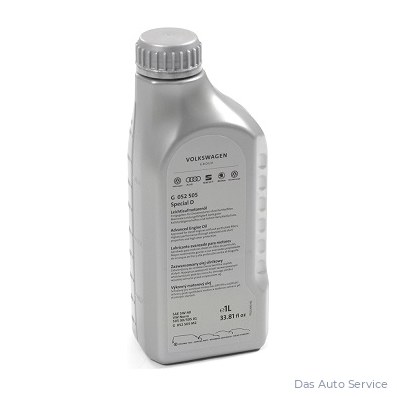
Genuine SpecialD 5W40 Volkswagen diesel oil 1L
SpecialD 5W40 engine oil is designed for PD engines that require the corresponding oil specification. Choosing the correct oil is particularly important with these engines.
View in shopRead more
- Pre-purchase inspection
- 1.9 TDI PD Common Problems and Weak Points
- 2.0 TDI Oil Pump Failure: The Balance Shaft Problem
Frequently asked questions
Which VW diesel engine is the most reliable?
There's no single engine that's the best choice for everyone. I'd choose the 2.0 TDI common rail with 140–150 hp, but only with a proven service history.
Which is better, the 1.9 TDI or 2.0 TDI?
The 1.9 TDI PD is a simple, durable engine when it's maintained using the correct oil. For everyday driving, I prefer the 2.0 TDI common rail with 140–150 hp.
Is a used 3.0 TDI worth buying?
Yes, provided it has a clear service history and the timing chains and swirl flaps have been checked. I wouldn't buy one without those checks.
Is a diesel engine fine if a diagnostic scan shows no fault codes?
No. You also need to check the service history, EGR, DPF and injectors, as well as the oil pressure on engines where that's a known concern.