Bought a plug-in hybrid, drive mostly on electricity and reckon there's hardly anything to service? That's where a lot of owners get it wrong. The Golf GTE, Passat GTE, Tiguan eHybrid, Audi TFSI e, Škoda iV and Cupra e-HYBRID all have two hearts: a petrol engine and an electric motor. Both need looking after. I hear this all the time at the workshop: "Kris, I hardly ever use the petrol engine, so why should I change its oil?" Because it's still an engine, however rarely it runs. And if you want your hybrid to save you money rather than become an expensive headache, there are a few things you need to know about plug-in hybrid maintenance.
What is a plug-in hybrid and how does it work?
Imagine a car that can drive like an electric vehicle but also has a petrol engine whenever you need it. That's a plug-in hybrid. Under the bonnet, you've got a petrol engine and an electric motor, plus a battery you can charge from a socket. A full charge gives you several dozen kilometres of electric-only driving. When the battery charge drops, the car carries on working like a normal hybrid. You don't have to choose between petrol and electricity. You've got both.
The great thing is that you can get through most of your daily journeys without using the petrol engine much at all. And when you head off on a longer trip, you're not relying on the battery alone. But there's a catch. Just because the car can run on electricity doesn't mean the petrol engine stops wearing out or needing attention. In fact, you've got two systems working together, and both need looking after.
What does plug-in hybrid maintenance involve?
I want to be very clear about this. A plug-in hybrid is not a maintenance-free car. It still has an engine, a gearbox, brakes, cooling systems and electrical systems. Some of them just work a little differently. Let me explain what we check and why you really shouldn't skip any of it.
- Petrol engine – change the engine oil and all filters every 10,000 km or once a year, whichever comes first. That means the oil filter, fuel filter, air filter and cabin filter. It doesn't matter whether you drive mostly on electricity or what type of engine oil you use. For cars driven in Bulgaria, this is the interval I recommend. The manufacturer's extended service intervals also take environmental requirements into account, but I'd rather look after your engine.
- DSG gearbox – the gearbox in a hybrid needs servicing too. Change the gearbox oil every 60,000 km, always using genuine oil. After the service, we always carry out a gearbox adaptation so everything works properly. Don't wait until it starts shifting harshly or jerking before you give it some attention.
- Brakes – a hybrid often slows down using its electric motor, which puts energy back into the battery. That's brilliant for efficiency, but it also means the conventional brakes get used less. As a result, the brake discs can start to rust. Change the brake fluid every 2 years.
- Battery cooling and the 12-volt battery – both need checking. The high-voltage battery needs proper cooling, and the smaller 12-volt battery is still important for the car to work correctly. We change the coolant every third heating season.
- Charging socket and cable – inspect them regularly and keep them clean and in good condition. Don't leave the charging cable rolling around loose in the boot. Have a look at how to keep your charging cable tidy in the boottoo.
I also recommend bringing your car in for a check-up every 6 months. Not because there's necessarily anything wrong, but because we can catch a developing problem before you notice it behind the wheel. Diagnostics are particularly important on hybrids because you can't see or hear everything that's going on.
How can I drive my plug-in hybrid more efficiently?
The biggest mistake is buying a plug-in hybrid and then driving it like an ordinary petrol car. What's the point of carrying that battery around if you're not going to use it? The whole idea is to use electricity where it makes the most sense. Here's how I'd drive one myself.
- Charge it every day whenever you can. That way, you start your journeys with more electric range available. If you're not sure what you need, read which charging cable you need at hometoo.
- Use electric mode around town and hybrid mode on the motorway. That way, you get the best out of both power sources. There's no point using up all your battery charge somewhere the petrol engine could be doing the job more efficiently.
- Heat or cool the cabin while the car is still plugged in. That way, you're not wasting battery charge on getting the cabin comfortable once you've set off. And believe me, getting into a lovely warm car on a freezing winter morning is a real pleasure.
- Don't panic if your electric range drops in winter. Cold weather affects the battery and the amount of energy needed to heat the car. I've explained this in more detail in how your hybrid behaves in wintertoo.
What are the common weak points of plug-in hybrids?
The first thing I keep an eye on is the brake discs. Because the car often slows down using its electric motor, rust can build up on the discs. Don't ignore it. Your brakes need to be ready when you really need them, no matter how well the regenerative braking system works.
- Rust on the brake discs – check their condition even if the car seems to stop perfectly normally. Just because the brakes are used less doesn't mean nothing can go wrong with them.
- On-board charger and charging socket – if charging starts cutting out or refuses to work, you need to find out what's causing it. Don't rush to blame the cable before having the system properly diagnosed.
- Software – in these cars, the petrol engine, electric motor and battery management systems all need to work together. That's why, when something behaves strangely, we check the software too. We don't just start replacing parts and hoping for the best.
WARNING! A plug-in hybrid that you never charge effectively becomes a heavy petrol car with high fuel consumption. You've paid for technology without using its biggest advantage. If you're not planning to plug it in regularly, think carefully about whether it's really the right car for you.
Tip from Kris Mladenov: Once a week, when conditions allow and the road is safe, brake more firmly from a higher speed. This makes the conventional brakes work harder and helps clear surface rust from the discs. But if the rust is severe or the brakes aren't working normally, don't rely on this alone. Get them inspected.
I hope you've found this article useful! If you have, I'd really appreciate you sharing it with a friend who drives a plug-in hybrid or is thinking about buying one. My mission is simple: when I know something useful, I want more people to know it too. Because looking after your car properly today can save you a lot of headaches tomorrow. And believe me, I'd much rather see you for routine servicing than an expensive repair.
The solution in our shop
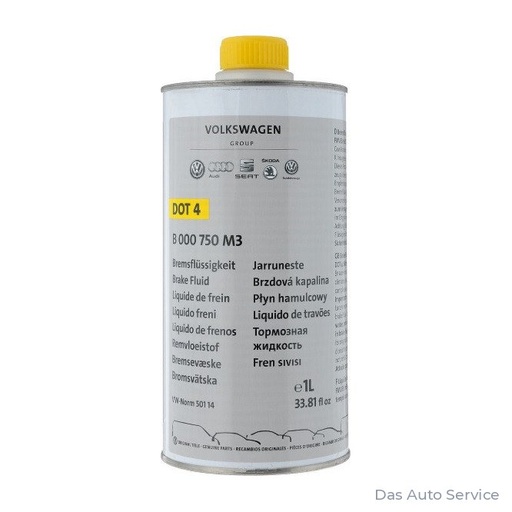
Genuine Audi/Volkswagen DOT 4 brake fluid B000750M3 1l
Genuine DOT 4 brake fluid is important for reliable braking performance. Change it every 2 years, no matter how often your car slows down using the electric motor.
View in shopRead more
- Routine servicing
- Electrical faults and control modules
- Plug-in Hybrid Home Charging: Cables and Charging Times
- Electric Car Winter Range: Charging and Cold Weather
- EV Charging Cable Bag: Keep Your Boot Tidy
Frequently asked questions
What is a plug-in hybrid?
It's a car with a petrol engine, an electric motor and a battery you can charge from a socket. It can drive several dozen kilometres on electricity alone before continuing as a hybrid.
Does a plug-in hybrid need engine oil changes?
Yes, absolutely. Change the engine oil and all filters every 10,000 km or once a year, whichever comes first, even if you drive mostly on electricity. That includes the oil, fuel, air and cabin filters.
Is a plug-in hybrid worth buying if you never charge it?
I wouldn't recommend it. Without regular charging, you lose its biggest advantage and end up driving a heavy petrol car that uses more fuel.
Why do plug-in hybrid brake discs rust?
Because the car often uses its electric motor to slow down instead of the conventional brakes. The brake discs get used less frequently, so rust can develop on their surfaces.