You want a reversing camera retrofit for your car, so you start looking at different kits. Some come with a separate screen, others fit onto your rear-view mirror, and some promise everything will work just like it came from the factory. I hear this all the time at the workshop: "Kris, I want parking sensors and a camera, but I want it to look like the car came with them from new." And that's where the big difference comes in. You've got two options: a universal kit or a factory retrofit, which means fitting original equipment your car didn't have when you bought it. At first glance, they both do the same job. But the way they work and look is completely different.
What can a factory camera do that a universal one can't?
Imagine putting your car into reverse and the camera picture appearing on the car's original screen. You can see the guidelines that help you judge where you're parking, while the parking sensors show you what's around the car. No extra screens, no gadgets stuck to the dashboard. Everything looks exactly as the manufacturer intended. That's what we're aiming for when we fit a factory reversing camera.
- Factory retrofit – the camera works with the original infotainment system, parking guidelines and parking sensors. The idea is to give you equipment that looks and operates just like it came from the factory. If you're curious about adding features like these, have a read of how we make retrofits look factory-fitted.
- Universal kit – the camera usually comes with a separate screen or a rear-view mirror with a built-in display. It has its own wiring and works independently of the car's original system. You'll be able to see what's behind you, but you won't get that same factory-fitted feel.
Both options can help you park. The difference is how well the camera fits into the car. With a factory retrofit, it becomes part of the car's equipment. With a universal kit, you're adding a separate system. That matters to me because I'm not just interested in whether the camera shows a picture today. I also care about how the whole installation will look further down the line.
Can I get a factory reversing camera retrofit for my car?
A factory retrofit is possible on most Audi, VW, Škoda and SEAT models, provided the car has a compatible infotainment system. But I can't promise it'll work just from knowing the model. Two cars that look identical from the outside can have completely different equipment. That's why we start by checking the VIN. It helps us find out exactly what your particular car supports, rather than ordering parts and hoping they'll fit.
A lot of people do things the other way round. They buy a camera first, then look for someone to fit it, and only afterwards discover that not everything is compatible. I prefer to do the opposite. First, we check what the car can support. Then we choose the right equipment. That way, we don't end up inventing workarounds for things we should have checked right at the start.
How is a factory reversing camera installed?
Fitting a camera isn't just a matter of mounting it, running a couple of wires and getting a picture on the screen. With a factory retrofit, we have to consider the car's existing equipment, the original parts and how the different systems communicate with each other. Otherwise, you could end up with a camera that's physically fitted but doesn't work the way you expected. That's why we follow a proper sequence at our workshop.
- We check what the car supports. We start with the VIN and the existing infotainment system to find out whether a factory retrofit is possible.
- We choose the correct original parts. That includes the camera, any necessary sensors and the wiring for the equipment we're adding.
- We install everything carefully. We don't drill holes where they don't belong or take shortcuts just to finish the job faster. We want the finished installation to look like it came from the factory.
- We finish with VAG coding. This is where we tell the car's electronics that new equipment has been fitted and that the other systems need to work with it.
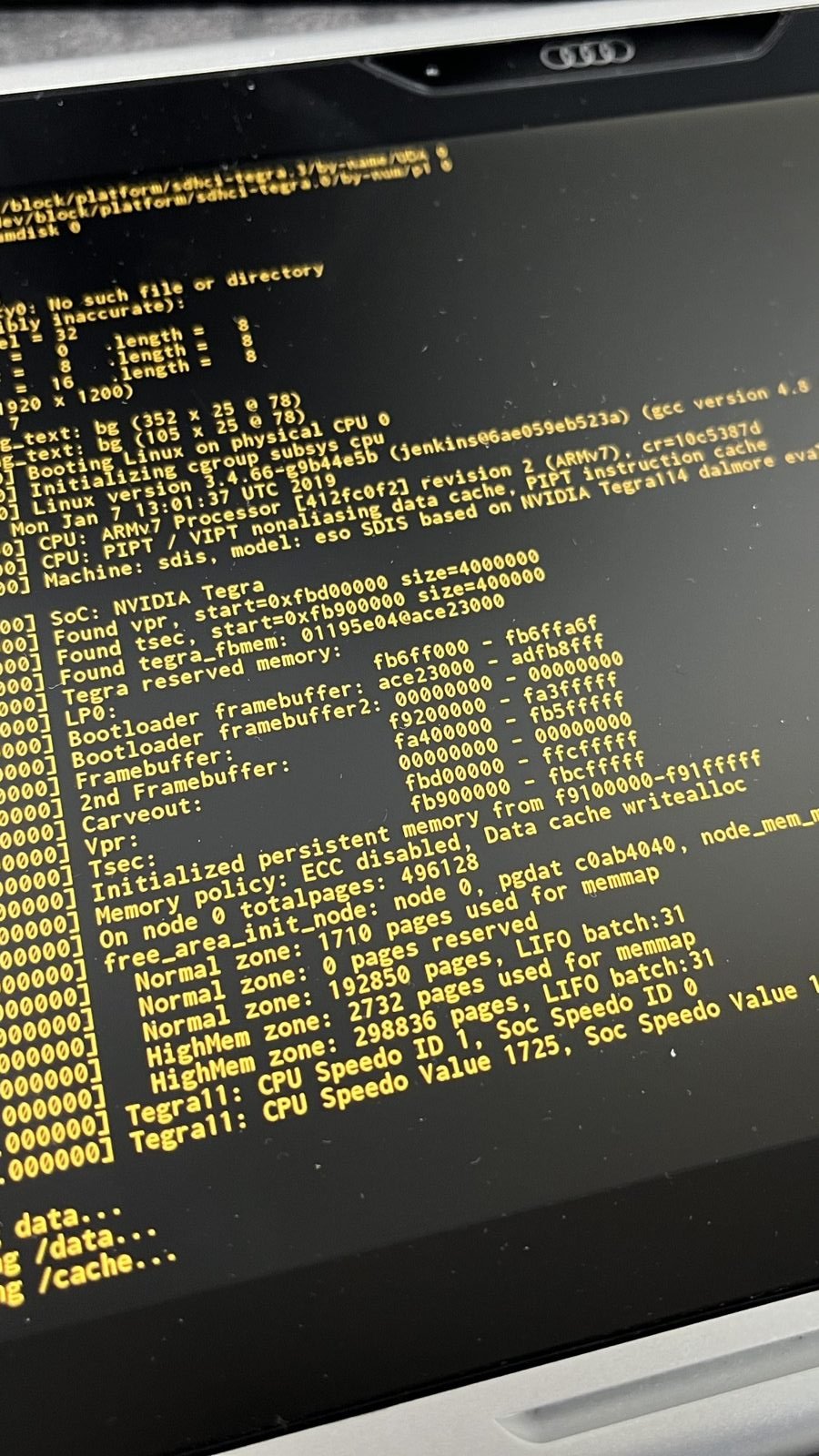
That last step is something owners often don't understand. They see the camera fitted neatly in place and quite reasonably ask, "Right, so why doesn't it work straight away?" Because a modern car has electronics that need to know exactly what equipment is installed. Simply fitting the parts isn't enough. The car needs coding so the new system can work properly with everything else.
What are the pitfalls of universal reversing camera kits?
I've got nothing against universal cameras. I just want you to understand what you're getting and what can go wrong during installation. In this trade, some people only care whether a picture appears on the screen. I also want to know how the wires have been routed, how the sensors have been fitted and what the car looks like once the job is finished. Because when the work is done, it's still your car.
- Universal wiring tapped into the lights – this is one of those jobs where you need to be careful about how everything is connected. Getting power to the camera and making it switch on isn't enough.
- Holes drilled in the bumper for sensors – fitting universal parking sensors may mean drilling into the bumper. And once those holes are there, you can't simply make them disappear.
- Faults after winter – cameras and parking sensors can develop problems that need to be checked properly. I've covered this in my article about parking sensors and reversing camera faults after winter.
WARNING! A bumper won't magically go back to its original condition just because you've decided to remove the sensors. Think carefully before fitting universal parking sensors, especially if a factory solution is available.
What annoys me most is when nobody explains the difference to the owner beforehand. They want a camera, they trust the person doing the job and they expect a decent result. They can't possibly know every little detail of the installation. That's our job. Which is why I believe we should explain the options first, then let the owner make their own decision without any pressure.
Tip from Kris Mladenov: Before you buy any kit, send us your car's VIN. We'll check whether a factory reversing camera can be fitted and what equipment your car supports. If the original option is possible, at least you'll know you've got a choice. Don't rush into drilling holes in your bumper before you've checked.
I hope you've found this article useful! If you have, I'd really appreciate you sharing it with a friend who's thinking about fitting a reversing camera or parking sensors to their car. My mission is simple: when I know something useful, I want more people to know it too. That way, you can make better decisions about your car before spending money on something you might regret later.
Read more
- Retrofits
- Electrical faults and control modules
- Audi Virtual Cockpit Retrofit: Factory-Style Upgrades
- VAG Coding: What Can and Cannot Be Activated
- Audi Parking Sensors and Camera: Winter Faults
Frequently asked questions
Can you fit a factory reversing camera to a car that didn't come with one?
Yes, on most Audi, VW, Škoda and SEAT models with a compatible infotainment system. We start by checking the VIN to confirm whether your particular car supports a factory retrofit.
Is it better to have parking sensors with a camera or just a camera?
Parking sensors with a camera give you both a view behind the car and information from the sensors. A camera on its own shows you what's happening behind you, but it doesn't replace the parking sensor readings.
Does a factory reversing camera need coding after installation?
Yes. Once the camera is fitted, the car's electronics need to be coded so they recognise the new equipment and work properly with it.