A small car with a big diesel engine that pulls harder than you'd expect? That's the SEAT Ibiza 1.9 TDI. Especially the 130 bhp version, which you'll often see advertised as 131 bhp. It's a favourite with younger drivers because it's small, lively and has enough torque to push you back into your seat. But here's the catch! These cars are getting old, plenty have been modified, and not every Ibiza that looks great in photos is worth buying. I'll show you what we look for at the workshop and how to avoid buying someone else's problems.
Who is the SEAT Ibiza 1.9 TDI right for?
If you cover plenty of miles, want a small car and don't fancy spending half your wages at the fuel pump, the Ibiza 1.9 TDI is worth a look. The diesel has plenty of torque, so you don't need to keep changing gear to make progress. The more powerful versions are particularly enjoyable to drive. It's a little Ibiza, but it pulls like a much bigger car. Just make sure you know what you're buying, because with cars this old, their actual condition matters far more than anything promised in the advert.
Which engines and gearboxes does the Ibiza 1.9 TDI have?
We're talking about several generations here, and it's important not to lump them all together. You'll often see people simply saying "1.9 TDI" in owners' groups, but there are differences between the engines and power outputs. A 90 bhp Ibiza is one thing. A 130 bhp FR is quite another. So start by checking which generation you're looking at.
- SEAT Ibiza 6K – up to 2002, with 90 and 110 bhp 1.9 TDI engines. These are the older versions, and they still have their loyal fans.
- SEAT Ibiza 6L – from 2002 to 2008, with 100 and 130 bhp 1.9 TDI PD (Pumpe Duse) engines. The 130 bhp FR is particularly sought after.
- SEAT Ibiza 6J – the early years of this generation, before the 1.6 TDI arrived, with 90 and 105 bhp 1.9 TDI engines.
- All versions have manual gearboxes, with either 5 or 6 speeds depending on the model.
I'd start by thinking about what you actually need the car for. If you just want an economical diesel for everyday driving, there's no need to chase the most powerful version. But if you've got your heart set on an FR, I completely understand. Just don't let those 130 horses distract you from checking the car's condition properly.
What are the most common SEAT Ibiza 1.9 TDI problems?
PD injectors – what do you need to know?
With the PD engines in the Ibiza 6L, it's worth understanding how the fuel system works. Each injector has its own mechanism for generating high fuel pressure, rather than relying on a common fuel rail. Sounds complicated, but the idea is simple: the fuel needs to be delivered in exactly the right amount at exactly the right time. When something goes wrong, we don't start throwing new parts at the engine and hoping for the best. I've explained these engines in detail in my guide to the 1.9 and 2.0 TDI PD engines.
Why do the clutch and flywheel suffer on the 130 bhp version?
Now this is where things get interesting. Plenty of Ibiza FRs have been remapped because this engine has lots of potential, and owners love making the most of it. But that extra torque comes at a cost. The clutch and dual-mass flywheel have to work harder, and they can wear out much sooner. So whenever someone tells me a car has "only had a little remap", the first thing I want to know is exactly what's been done and what condition the clutch is in.
Why is the 1.9 TDI difficult to start when cold?
I often hear, "It cranks for ages in the morning, but once it starts, it's fine for the rest of the day." On a diesel, a cold start is an important test because that's when you can really see whether everything is working properly. The glow plugs are part of the system that helps the engine start in low temperatures. But that doesn't mean every starting problem is caused by them. I've explained what needs checking in my guide to glow plugs and difficult cold starts.
Should you change the manual gearbox oil?
Yes, manual gearbox oil gets old too. You'll often hear that it's filled for the lifetime of the car, but I'm not a fan of promises like that, especially when we're talking about a car this old. Oil doesn't magically stay fresh just because nobody has changed it. I want your gearbox to keep working properly, not wait until it starts whining or becomes difficult to shift. Have a read of my article explaining why manual gearbox oil needs changing.
What should you check before buying an Ibiza 1.9 TDI?
Don't start with the wheels, the sound system or how good the car looks. Check the mechanical condition first. That's especially important if you're looking at an FR, because it's not just about how much power the engine makes. It's also about how that power has been used. Here's where I'd start.
- Cold start – ask to see the engine start from completely cold. Don't settle for a quick drive around the block.
- Clutch – check whether it slips in a high gear. If the revs rise but the car doesn't accelerate as it should, that's a good reason to investigate further.
- Engine software – find out whether it's original or the engine has been remapped. Don't treat "it's only had a mild tune" as proper technical information.
If you're not sure how to check all this, don't take the risk. A proper pre-purchase inspection can show you what condition the car is in before you hand over your money. I'm telling you this as a friend: once you've bought it, those problems become yours.
How should you service a SEAT Ibiza 1.9 TDI?
My approach here is simple. Want the engine to last? Don't cut corners on servicing, and don't wait for the car to remind you that it needs attention. With an older diesel especially, regular maintenance makes far more sense than paying for repairs after years of neglect.
- Engine oil and all filters – oil, fuel, air and cabin filters must be changed every 10,000 km or once a year, whichever comes first, regardless of the oil used. Always use engine oil with the correct VW approval for your particular engine.
- Timing belt kit – replace it according to the requirements for your specific engine, together with the water pump. If the service history is unclear, don't put the job off.
- Brake fluid – every 2 years.
- Coolant – every third heating season.
- Workshop inspection – every 6 months, so we can catch problems early.
IMPORTANT! If you're looking at an Ibiza FR with "a few extra horses", make sure you ask for the service history of the clutch and dual-mass flywheel. Extra power puts more strain on both parts, and the seller's promises are no proof of their condition.
What's my verdict on the SEAT Ibiza 1.9 TDI?
Yes, I like what this car has to offer. Small, lively, plenty of torque and economical to run – a well-maintained Ibiza 1.9 TDI can be a lovely little everyday car. But I'd choose a well-kept example with a clear service history over a shiny FR with mystery engine software any day. You're not just buying the horsepower. You're also buying everything the previous owner has done with it.
Tip from Kris Mladenov: The less an Ibiza has been messed about with, the better. Look for original engine software, a clear history and proof of regular servicing. You're much better off buying a slightly less powerful version in good condition than a fast one that needs expensive repairs straight away.
I hope this article has helped you! If it has, I'd love you to share it with a friend who drives an Ibiza 1.9 TDI or is thinking about buying one. My mission is simple: when I know something useful, I want more people to know it too. That way, we can make better choices and keep our cars on the road for longer.
The solution in our shop
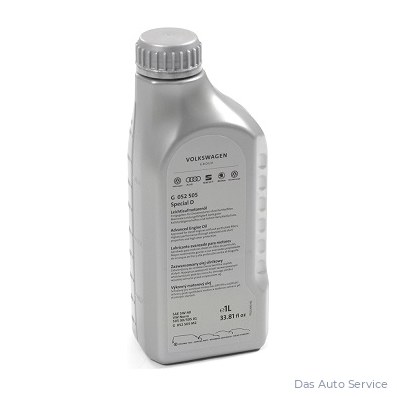
Genuine SpecialD 5W40 Volkswagen diesel oil 1L
Genuine SpecialD 5W40 engine oil meets VW 505 00 and VW 505 01 specifications. Choose it according to the requirements of your particular engine.
View in shopRead more
- Pre-purchase inspection
- Routine servicing
- 1.9 TDI PD Common Problems and Weak Points
- TDI Glow Plug Problems: Cold Starts and Checks
- Manual Gearbox Oil Change: Is It Really Necessary?
Frequently asked questions
What are the most common problems with the Ibiza 1.9 TDI?
On PD versions, pay particular attention to the fuel system. On remapped cars, check the clutch and dual-mass flywheel carefully. You should also check how the engine starts from cold and whether the gearbox works properly.
Should I choose the 101 bhp or 131 bhp Ibiza 1.9 TDI?
If you want a more relaxed everyday car, there's no need to chase the 131 bhp version. The more powerful FR is great fun, but I'd always choose the car that's in better mechanical condition.
How economical is the SEAT Ibiza 1.9 TDI?
It's a small car with an economical diesel engine, but real-world fuel consumption depends on the version, its condition and how you drive. Don't take the fuel economy figures promised in adverts as a guarantee.
How often should I change the oil on an Ibiza 1.9 TDI?
For cars driven in Bulgaria, I recommend changing the engine oil and all filters – oil, fuel, air and cabin – every 10,000 km or once a year, whichever comes first, regardless of the oil used. Always use oil with the correct VW approval for your engine.