If you've been searching for "SEAT Leon 2.0 TDI 170 reviews" or "Leon 2.0 TDI 150 reviews", you've probably found a Leon you like and want to know whether it's worth buying. I get it. The Leon is the Golf's sportier cousin. It looks more aggressive, it's fun to drive, and with a diesel engine it can be pretty economical too. But there's something I want you to know before you hand over your money. Not every Leon 2.0 TDI is the same, and not every one has had an easy life. I'll explain what we look for at Das Auto Service when inspecting the Leon 2 (1P, 2005–2012) and Leon 3 (5F, 2012–2020), because there are some important differences between them.
Who is the SEAT Leon 2.0 TDI for?
If you cover a lot of miles, want a car that pulls well but don't fancy spending a fortune on fuel, the Leon 2.0 TDI is definitely one I'd recommend looking at. It's practical, but has a slightly sportier feel than a Golf. Especially if you actually enjoy driving rather than just getting from A to B. There's a catch, though. Because the Leon looks and feels sportier, plenty of owners have driven theirs like a sports car. And that matters when you're buying one second-hand.
What engines and gearboxes are available?
Here's where I want you to pay attention to the generation, because the 2.0 TDI badge doesn't mean you're getting the same engine under the bonnet. The Leon 2 came with the older PD (Pumpe Düse) engines, followed later by common rail. With the Leon 3, we're talking about the EA288. Different engines, different things to check.
- SEAT Leon 2 (1P) – 2.0 TDI PD engines with 140 and 170 bhp, plus common rail engines in later cars.
- SEAT Leon 3 (5F) – 2.0 TDI EA288 with 150 and 184 bhp. This is the newer generation of diesel engine.
- Gearboxes – manual or DSG with wet clutches. The DSG changes gears automatically, but it needs regular servicing.
I wouldn't choose a Leon based on horsepower alone. A well-maintained 140 bhp Leon could be a much smarter buy than a neglected 170 or 184 bhp one. What matters is what's happened to the car over the years, not just what the advert says.
What problems do we see in the workshop?
PD engines in the Leon 2
With the older 140 or 170 bhp Leon 2, you really need to know what you're buying. PD stands for Pumpe Düse, a system where each injector generates the high pressure needed to inject fuel into the engine. This system has its own quirks, and I don't like it when people say, "All TDIs are the same." They're not! If you've got your eye on one of these Leons, have a read of my article about 1.9 and 2.0 TDI PD engines. I explain in more detail what you need to know about these engines.
EGR, DPF and AdBlue
On a diesel Leon, especially one that's spent most of its life driving around town, I pay close attention to the exhaust emissions systems. The EGR valve sends some of the exhaust gases back into the engine, while the DPF is the filter that traps soot. On the EA288, we also check the EGR cooler carefully. That's the part that cools those recirculated exhaust gases. When someone tells me, "The engine warning light came on, but I've cleared the fault codes", I don't take that to mean the problem's fixed. Clearing a fault code isn't a repair. We need to find out why it appeared in the first place.
DSG – when the gearbox starts jerking
The DSG is a lovely gearbox when it's working properly. But if it judders when you pull away, jerks or thumps when changing gear, don't accept the excuse that "they all do that". No, they shouldn't. One of the things we check is the mechatronic unit. Think of it as the gearbox's brain, controlling the gear changes. I've explained the six-speed DQ250 in detail in my article about the DSG DQ250 mechatronic unit. Read it before deciding that a little judder is nothing to worry about.
What should you check before buying a Leon 2.0 TDI?
I'm going to be a bit more insistent here. The Leon often attracts people who enjoy spirited driving, and quite a few have had their engine software modified. That doesn't automatically make a car a bad buy. It just means you need to check a few more things before handing over your money.
- Check whether it's been remapped and how it's been driven. Ask directly whether the engine software is original, because extra power puts more strain on other components too.
- Get the engine and DSG properly diagnosed. I don't mean just reading the fault codes. We need to check how the systems are actually working. If the gearbox is jerking, we need to find out why.
- Check the coolant and test for combustion gases in the cooling system, especially on the early 16-valve engines. That's one check I definitely wouldn't skip.
If you don't know much about cars, you don't need to learn the hard way with your own money. That's exactly why we offer a pre-purchase inspection. Better to know what you're buying now than find out what's wrong after your first visit to the workshop.
How should you service your SEAT Leon 2.0 TDI?
My rule here is simple. If you want your engine to last, don't wait until it starts rattling, burning oil or showing an engine warning light. Service it on time. For cars driven in Bulgaria, I recommend changing the engine oil and all filters every 10,000 km or once a year, whichever comes first. That applies even if you're using LongLife oil.
- Engine oil – every 10,000 km or once a year, using oil with the correct VW approval. Change the oil filter, fuel filter, air filter and cabin filter at the same time.
- DSG – genuine gearbox oil every 60,000 km, with all the necessary servicing and a mandatory gearbox adaptation afterwards.
If you drive the newer generation, have a look at my SEAT Leon 3 2.0 TDI service scheduletoo. Don't leave maintenance until something has already gone wrong.
IMPORTANT! If your Leon has been remapped, the extra power puts more strain on the clutch and gearbox. Ask what software it's running, and don't assume that just because the car drives well, everything underneath is in good condition.
Is the SEAT Leon 2.0 TDI worth buying?
Yes, absolutely. But I'd look for a car with a clear history, original engine software and proof of regular maintenance, rather than simply choosing the most powerful Leon in the adverts. Both the Leon 2 and Leon 3 can be good buys, provided you know what you're getting. Don't fall in love with the alloys, the FR badge and the lovely photos alone. What matters is what's under the bonnet and how the car has been treated. Because once you've bought it, you'll be paying for the repairs, not the person who sold it to you.
Tip from Kris Mladenov: Start by looking at the tyres and brakes. They can tell you quite a bit about how the car has been driven and whether its owner has taken maintenance seriously. Then check the service history, engine and gearbox. Don't rush into buying just because the Leon looks fantastic.
I hope you've found this article useful! If you have, I'd really appreciate you sharing it with a friend who drives a Leon or is thinking about buying one. My mission is simple: when I know something useful, I want more people to know it too. That way, we can all make better decisions and save ourselves from unnecessary repair bills.
The solution in our shop
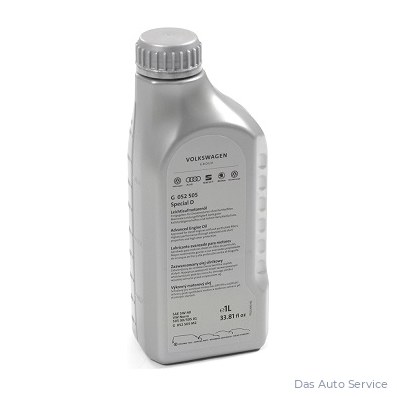
Genuine SpecialD 5W40 Volkswagen diesel oil 1L
Engine oil meeting VW 505 01 for PD engines. The correct VW approval is particularly important for this type of engine, so don't choose your oil based on viscosity alone.
View in shop
Genuine Longlife III FE 0W30 oil 5L
LongLife III engine oil for common rail and EA288 engines. Make sure it has the correct approval for your engine, but still change it every 10,000 km or once a year.
View in shop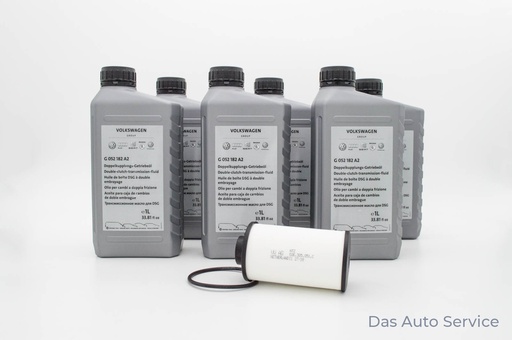
Genuine service kit for the six-speed DSG DQ250, including oil, filter and seals. This gives you the parts needed to service the gearbox.
View in shopRead more
- Pre-purchase inspection
- Routine servicing
- SEAT Leon 3 2.0 TDI Service Schedule
- 1.9 TDI PD Common Problems and Weak Points
- DSG DQ250 Mechatronic Problems: Signs and Causes
Frequently asked questions
What are the most common SEAT Leon 2.0 TDI problems?
It depends on the generation and engine. On the Leon 2, I pay particular attention to the PD injectors. On the EA288, I check the EGR valve and its cooler. And with DSG gearboxes, I look for juddering and problems with the mechatronic unit.
Which is better – the SEAT Leon 2 or Leon 3?
The Leon 3 has the newer 2.0 TDI EA288 engine, while the Leon 2 came with PD engines and later common rail. Personally, I'd choose the car with the better service history and maintenance record rather than deciding on generation alone.
Is the SEAT Leon FR 2.0 TDI worth buying?
Yes, if you want a sportier diesel car. But check whether it's been remapped, how it's been driven and what condition the engine and gearbox are in.
How often should you change the DSG oil in a Leon?
Every 60,000 km, using genuine gearbox oil. After servicing, we always carry out a gearbox adaptation.