"The Octavia 2 with the 1.9 TDI engine lasts forever!" I hear that all the time, but is it really true? Search for a Škoda Octavia 2 1.9 TDI review and you'll find all sorts of stories. Some owners have cars that simply refuse to give up, while others complain about rattling engines and a lack of power. The truth is, the Škoda Octavia 2 (1Z), built between 2004 and 2013, is probably one of the most common used cars in Bulgaria. And for good reason. It's tough, economical and gets the job done. But! Only if the previous owner looked after it properly. I'll show you what I check when one comes into our workshop and how to avoid buying someone else's problems along with the car.
Who is the Octavia 2 1.9 TDI right for?
If you're looking for a car that can cover plenty of miles without constantly worrying about fuel costs, the Octavia 2 with the 1.9 TDI is a very sensible choice. You get a huge boot, an economical diesel engine and a car that's built to be driven, not left sitting outside your house. Don't expect sports car performance, especially from the 90 hp version. But if you want a practical everyday car, it knows how to do its job.
There's one detail that a lot of people overlook, though. You're not buying a new Octavia. You're buying a car with years of use and plenty of kilometres behind it. That's why, for me, its condition and service history matter far more than how good it looks in the photos. Shiny paint won't fix a worn-out engine.
Which engines and gearboxes are available?
With the Škoda Octavia 2, we're talking about the well-known 1.9 TDI with Pumpe-Düse injection, or PD, as we call it in the workshop. It's a system where each injector generates the high pressure needed to inject fuel into the engine. There are several versions, and it's worth knowing exactly which one you're looking at because they're not all the same.
- 1.9 TDI 105 hp – BKC, BXE and BLS engines. The BLS has a DPF, the filter that traps soot from the exhaust gases.
- 1.9 TDI 90 hp – the more modest version for people who aren't chasing power and simply want an economical car.
- Gearboxes – 5-speed manual and 6-speed DSG DQ250. Some Combi versions also come with 4x4.
Which one would I choose? I'd look at the actual car first, rather than just the engine code. A well-maintained car with a clear history is a much better buy than a neglected one with a supposedly more desirable engine. And exactly the same goes for the gearbox. Especially if it's a DSG.
What problems should you look for? Škoda Octavia 2 1.9 TDI review
Camshaft wear on BKC and BXE engines
One problem I really want to warn you about is camshaft wear. On the BKC and BXE engines, using the wrong oil can wear down the cam lobes. These are the parts that control when the engine valves open. At first, you might hear a rattling noise from the top of the engine. Then the car starts losing power and doesn't pull the way it should. And all of this can start with something as simple as choosing the wrong engine oil.
That's why, when someone tells me, "The oil has always been changed regularly," I ask another question: "But what oil was used?" Because regular oil changes aren't enough if the oil doesn't meet the engine's requirements. It's not just about how often you change it. What you put in matters just as much.
PD injectors and difficult hot starts
Another thing to watch for is the PD injectors and starting problems when the engine is warm. You might hear an owner say, "It starts straight away in the morning, but once it's warm, it takes longer to start." Or, "It shakes and doesn't idle smoothly." Don't immediately assume that every complaint like this means a faulty injector. The first step is proper diagnostics to find out what's actually causing the problem.
I've explained these engines in more detail in my article 1.9 and 2.0 TDI PD Injectors – The Legend and Its Weak Points. Have a read if you're thinking about buying one. It'll help you understand exactly what you're getting, rather than relying entirely on what the seller tells you.
The DSG gearbox and dual-mass flywheel
The 6-speed DSG DQ250 is a comfortable gearbox to drive with, but it needs servicing on time. Ignore the oil changes and don't expect the gearbox to thank you for it. When an owner tells me, "The gearbox kicks when changing gears," or "It jerks," my first job is to find out what's happening, not immediately announce the most expensive possible repair. I also need to check how the gearbox has been maintained up to that point.
Don't forget the dual-mass flywheel either. When it starts rattling, that's a warning you shouldn't ignore. Sometimes people get used to the noise and carry on driving as though nothing is wrong. But your car isn't rattling just to keep you company.
What should you check before buying?
If you've found an Octavia 2 1.9 TDI you like, don't rush to pay a deposit just because it looks well looked after. There are a few things I want you to check before making your decision. They'll tell you far more about the car than nice photos and promises that "everything has been serviced".
- Listen to the engine at idle. Pay particular attention to any rattling from the top of the engine, which could point to camshaft wear.
- Check which engine oil has been used. Don't settle for someone simply telling you that it's been changed regularly. It needs to be the correct oil.
- Ask for proof that the timing belt has been replaced. If there's no clear service history, don't just take the seller's word for it.
- Have the injectors checked with diagnostic equipment. Don't rely on the fact that the engine starts and seems to run well.
These are the main things to look at, but they're no substitute for a full inspection. If you want to know what's involved, have a look at our pre-purchase inspection. It's much better to discover problems before the car becomes yours than to buy it and then wonder where to start with the repairs.
How should you service an Octavia 2 1.9 TDI?
Now we come to the most important part. Plenty of people buy a reliable car and then ruin it through poor maintenance. With the 1.9 TDI, that's particularly frustrating because using the correct engine oil is so important for the camshaft. Here's what I recommend for cars driven in Bulgaria.
- Engine oil and all filters – every 10,000 km or once a year, whichever comes first, regardless of the oil used. That means changing the oil filter, fuel filter, air filter and cabin filter together with the engine oil. Use oil meeting VW 505 01 for the engine, or VW 507 00 for the BLS.
- DSG DQ250 – change the gearbox oil every 60,000 km, always using genuine oil. An adaptation must always be carried out after servicing.
- Timing belt – replace it together with the water pump at the prescribed interval for the specific engine. Make sure there's a clear record of when the work was done.
I've also put together a more detailed Škoda Octavia 2 1.9 and 2.0 TDI Service Schedule. I also recommend having your car inspected at the workshop every 6 months. That gives you a chance to catch problems early instead of waiting for something to break.
WARNING! Using the wrong engine oil is one of the quickest ways to wear out the camshaft on a 1.9 TDI. Don't choose oil based only on its viscosity, such as 5W-40. Make sure it also carries the correct VW approval for your specific engine.
Is the Škoda Octavia 2 1.9 TDI worth buying?
My verdict is simple. The Octavia 2 1.9 TDI can be an excellent, economical used car, provided you find the right one. The engine has its weak points, but if you know what to look for and how to maintain it, you can save yourself a lot of trouble. Don't automatically go for the shiniest Octavia you can find. Look for one with a clear history, the correct engine oil and proof of proper servicing. Because at the end of the day, you're the one paying for the repairs, not the person who sold you the car.
Tip from Kris Mladenov: If you're looking at an Octavia 2, ask about the engine oil and timing belt before worrying about the upholstery and optional extras. Ask for service records, have a diagnostic check carried out and listen to the engine. A good purchase starts with a proper inspection, not blind trust in attractive photos.
I hope you've found this article useful! If you have, I'd really appreciate you sharing it with a friend who owns an Octavia like this or is thinking about buying one. My mission is simple: when I know something useful, I want more people to know it too. Because getting the right information at the right time can save you a lot of headaches and money.
The solution in our shop
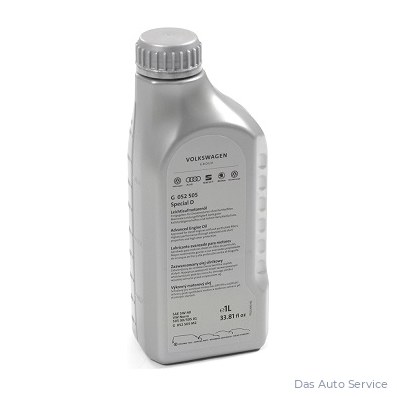
Genuine SpecialD 5W40 Volkswagen diesel oil 1L
SpecialD 5W40 oil meeting VW 505 01 is a suitable choice for engines that require this approval. Using the correct specification is particularly important for protecting the camshaft.
View in shop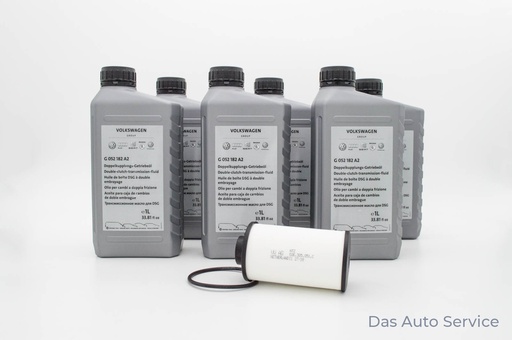
Service kit for the 6-speed DSG DQ250. It provides what you need to service the gearbox properly, without missing any of the parts that need replacing.
View in shop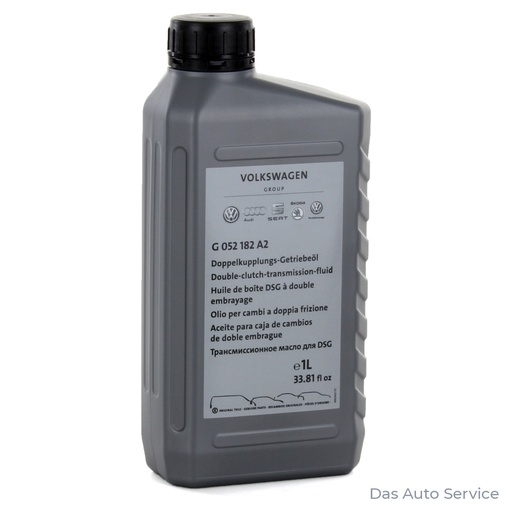
Genuine DSG gearbox oil G052182A2 1l
Genuine DSG gearbox oil. I use genuine oil because the way the gearbox works depends partly on what's inside it.
View in shopRead more
- Pre-purchase inspection
- Routine servicing
- Škoda Octavia 2 1.9 & 2.0 TDI Service Schedule
- 1.9 TDI PD Common Problems and Weak Points
Frequently asked questions
How long does an Octavia 2 1.9 TDI last?
There's no single mileage figure that applies to every car. What matters most is the actual mileage, service history and proper maintenance. A well-maintained engine is a much better choice than a neglected one with promises of low mileage.
What engine oil should I use for an Octavia 2 1.9 TDI?
For engines requiring VW 505 01, use oil with that approval. For the BLS, use VW 507 00. Change the engine oil and all filters every 10,000 km or once a year, whichever comes first, regardless of the oil used.
BXE or BKC – which engine is better?
With both engines, you need to watch out for camshaft wear caused by using the wrong oil. I'd choose the car with the better history and proven maintenance rather than making a decision based only on the engine code.
Is an Octavia 2 1.9 TDI with DSG worth buying?
Yes, provided the gearbox works properly and has been serviced on time. For the DQ250, I recommend changing the oil every 60,000 km using genuine oil, followed by a mandatory adaptation after servicing.