If you've been searching for a Škoda Octavia 3 2.0 TDI review, chances are you've already found one you like and you're wondering whether to buy it. Here's what I think: the Octavia 3 is probably one of the most sensible cars you can buy in Bulgaria. A huge boot, low fuel consumption, good second-hand prices and an engine that can cover a lot of miles. But! There are a few things that can turn a good purchase into an expensive repair. I'm Kris Mladenov from Das Auto Service, and I'll tell you what we actually see with these cars in our workshop, including the problems.
Who is the Škoda Octavia 3 2.0 TDI right for?
If you've got a family, travel a lot or simply want a car that does its job every day, the Octavia 3 is a very good choice. There's a reason you see so many used as company cars and taxis. It's spacious, economical and the 2.0 TDI has enough power to make overtaking easy. The truth is, this engine can last a very long time, provided the previous owner didn't decide that changing the oil was a waste of money.
My biggest issue with these cars isn't the model itself. It's how some of them have been maintained. When a car covers a lot of kilometres and the oil is only changed at LongLife intervals, that mileage eventually starts to take its toll. The car might look fantastic on the outside. Under the bonnet, though, it can be a very different story.
Which engines and gearboxes does the Octavia 3 have?
We're talking about the Škoda Octavia 3 (5E), built from 2012 to 2020, with the 2.0 TDI diesel engine from the EA288 family. There are several versions, but I'll focus on the ones we're interested in here.
- 2.0 TDI EA288 with 150 hp – the sensible choice for everyday driving and long journeys.
- Octavia RS 2.0 TDI with 184 hp – for anyone who wants a bit more power.
- Gearboxes – 6-speed manual or DSG with wet clutches, DQ250 and later DQ381.
- 4x4 – four-wheel drive with a fifth-generation Haldex coupling.
Don't be put off by the DSG just because it's an automatic gearbox. The wet clutches run in oil, and with proper maintenance these gearboxes are durable. But if the previous owner skipped oil changes, don't expect miracles. The same goes for the 4x4 system. It needs servicing, not just an owner who likes telling everyone their car has four-wheel drive.
Common problems in our Škoda Octavia 3 2.0 TDI review
Why does the coolant level keep dropping?
One of the weak points of the EA288 is the EGR cooler. This is the part that cools the exhaust gases before some of them are fed back into the engine. When it develops a fault, the coolant level can start dropping without any visible leak underneath the car. Sometimes you'll also see white smoke. Don't just top it up and carry on driving as though nothing has happened. First, you need to find out where the coolant is going.
Why do the DPF and AdBlue cause problems?
If you mainly drive your diesel around town, your DPF won't thank you for it. The diesel particulate filter traps soot from the exhaust gases, and with lots of city driving it starts to fill up. Newer Euro 6 versions also have an AdBlue system, which can cause problems of its own. When a warning light comes on, simply clearing the fault code isn't enough. You need to find the cause.
Is the DSG gearbox reliable?
Yes, wet-clutch DSG gearboxes are durable when they're serviced on time. I recommend changing the oil every 60,000 km, always using genuine oil, and we always carry out an adaptation after servicing. This is where the gearbox control unit adjusts how the gearbox operates. If the gearbox is jerking or jolting, you need a proper diagnosis first, not guesswork. I've explained more in DSG DQ381 and DQ500 – when should you change the oil?.
What happens to the Haldex on 4x4 models?
Haldex is the coupling that engages the rear-wheel drive when needed. On the Octavia 3 with Haldex 5, the oil in the coupling and rear differential needs changing every 30,000 km. Skip this service and you could eventually end up with a car where the rear-wheel drive simply stops working. Then the only thing that's 4x4 is the badge. I've covered this in more detail in Haldex generations 1 to 5 – how to service them.
What should I check before buying an Octavia 3 2.0 TDI?
This is where I really want you to be careful. Plenty of Octavias have been company cars or taxis, but that doesn't automatically make them bad cars. What matters is how they've been driven and maintained. Don't be impressed by a spotless interior and shiny paintwork alone. Here's what you need to check:
- Coolant level – is it dropping, and are there any signs of a problem with the EGR cooler?
- EGR, DPF and DSG diagnostics – don't assume everything is fine just because there are no warning lights on the dashboard.
- Service history – when was the oil last changed, and are there records to prove the maintenance was done?
- On 4x4 models – check the Haldex system and make sure the rear-wheel drive works properly.
We can check all of this during a pre-purchase inspection. It's much better to know what you're buying than to spend the next few months wondering why your new car keeps developing problems.
How should I service my Škoda Octavia 3 2.0 TDI?
If you want to keep this car for a long time, proper maintenance is the most important thing. Don't wait for something to break before visiting a workshop. Here are the service intervals I recommend for cars driven in Bulgaria.
- Engine oil and all filters – oil, fuel, air and cabin filters – every 10,000 km or once a year, whichever comes first. Regardless of LongLife intervals or the type of oil used.
- DSG – change the gearbox oil every 60,000 km using genuine oil, with a mandatory adaptation after servicing.
- Haldex 5 and rear differential – change both oils every 30,000 km.
- Timing belt and water pump – for engines built after 2015, I recommend replacing them every 180,000 km or 5 years, whichever comes first.
- Brake fluid – every 2 years, and coolant – every third heating season.
- Workshop inspection – every 6 months.
You can find the full service schedule in Škoda Octavia 3 2.0 TDI service schedule. The manufacturer's longer service intervals also take environmental regulations into account, but I'm more concerned about keeping the engine healthy. For me, changing the oil every 10,000 km is the right approach.
IMPORTANT! An Octavia that's covered 30,000 km between oil changes might look fantastic in photos, but a diagnostic check could tell a completely different story. Never buy a car based on its appearance alone.
Is the Škoda Octavia 3 2.0 TDI worth buying?
My verdict is clear: yes, absolutely. The Octavia 3 2.0 TDI is an excellent choice when it has a good service history, isn't losing coolant and has had its gearbox properly maintained. You get a spacious, economical and durable car. But don't buy the shiniest one. Buy the one where you can actually find out what's been done to it. There's a huge difference.
Tip from Kris Mladenov: If you're looking at an Octavia that's come from a company fleet or taxi firm, pay attention to the paperwork, not the upholstery. A well-maintained engine can last a very long time, even if the car has covered plenty of kilometres. I'd choose a car with a proven service history over one that simply looks brand new.
I hope you've found this article useful! If you have, I'd really appreciate you sharing it with a friend who's thinking about buying an Octavia 3. My mission is simple: when I know something, I want more people to know it too. That means more properly maintained cars and fewer nasty surprises.
The solution in our shop

Genuine Longlife III FE 0W30 oil 5L
LongLife III engine oil for servicing the engine. Regardless of which oil you use, I recommend changing it every 10,000 km or once a year.
View in shop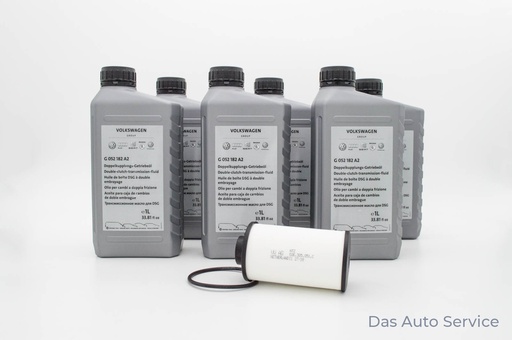
DSG service kit. For changing the automatic gearbox oil at the correct intervals.
View in shop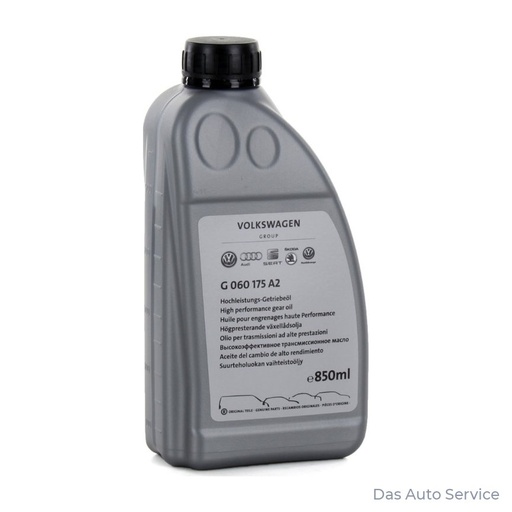
Genuine Haldex oil G060175A2 850ml
Genuine oil for fifth-generation Haldex. For servicing the rear-wheel drive coupling.
View in shopRead more
- Pre-purchase inspection
- Routine servicing
- Škoda Octavia 3 2.0 TDI service schedule
- DSG DQ381 and DQ500 Oil Change: When Is It Due?
- Haldex Service Intervals: Generations 1 to 5
Frequently asked questions
How long does a Škoda Octavia 3 2.0 TDI last?
The EA288 engine is durable when properly maintained. What's more important than the mileage on the dashboard is how often the oil has been changed and how well the car has been looked after.
What are the most common problems with the Octavia 3 2.0 TDI?
Watch out for EGR cooler problems, coolant loss, DPF and AdBlue faults. On DSG and 4x4 models, it's particularly important to check whether the gearbox and four-wheel-drive oils have been changed on time.
Should I choose the Octavia 3 2.0 TDI or 1.6 TDI?
I'd choose the 2.0 TDI, especially if you travel a lot and want more power. But the car's condition and service history matter more than which of the two engines you choose.