"Skoda Octavia 4 2.0 TDI 150 reviews" is one of the first suggestions Google gives you when you start looking into this model. And I can see why. The third-generation Octavia earned a good reputation, and now everyone wants to know whether the fourth generation is just as good. The Škoda Octavia 4 (NX) has been in production since 2020, with a new generation of the 2.0 TDI EA288 engine, more technology and a much more modern interior. But does all that mean fewer problems? In this Skoda Octavia 4 2.0 TDI review, I'll explain what we see at Das Auto Service and what I'd look out for if I were buying one today.
Who is the Octavia 4 2.0 TDI best suited to?
If you cover a lot of miles, travel with your family or need a car for work, the Octavia 4 2.0 TDI is definitely worth considering. It's built for people who do high mileages and want something practical without giving up modern comforts. Compared with the third generation, you get more electronics, digital displays and new systems. That's great when everything works. But the more technology a car has, the more things you need to check before buying it.
What engines and gearboxes does the Octavia 4 have?
For the fourth generation, Škoda uses a newer version of the familiar 2.0 TDI from the EA288 engine family. There are several power outputs to choose from, depending on how you drive. For me, though, the more important thing is knowing which gearbox you're buying and how it's been maintained.
- 2.0 TDI with 116 hp – the lowest-powered version.
- 2.0 TDI with 150 hp – one of the most sought-after versions.
- 2.0 TDI RS with 200 hp – the more powerful version.
- Gearboxes – 6-speed manual or 7-speed DSG with wet clutches. Some versions also come with 4x4.
- Dual AdBlue dosing – the system has two injectors that spray AdBlue into the exhaust system.
That last point is one of the biggest differences with this diesel engine. Dual dosing helps reduce harmful emissions more effectively, but it also makes the system more complicated. And when you're buying a used car, a more complicated system means more things to check.
What problems do we see with the Octavia 4 2.0 TDI?
The AdBlue system
This is one of the first things I'd check. With dual dosing, you've got two injectors, NOx sensors that monitor harmful exhaust gases, heaters and a pump. They all need to work properly. When a fault appears, simply clearing the fault code with a diagnostic tool and carrying on driving isn't enough. You need to find out which part is causing the problem and why. I've explained this in more detail in my article about AdBlue problems on the 2.0 TDI EA288.
Software and screens
The Octavia 4 has considerably more electronics than the previous generation. The infotainment system, which controls the central screen, and the digital instrument cluster are among the things owners complain about. The good news is that software updates at an authorised workshop fix most of these issues. So don't rush into replacing parts before checking which software version is installed. Sometimes the problem isn't the part itself, but the software controlling it.
DPF and DSG
The DPF is the diesel particulate filter in the exhaust system. It doesn't like a car that's constantly driven on short journeys. If that's how you're mainly going to use the car, bear it in mind before buying. The DSG is a different story. With that gearbox, the most important thing is changing the oil on time. It can be a lovely gearbox to drive with, but don't expect it to keep working perfectly forever without servicing.
What should I check before buying an Octavia 4 2.0 TDI?
With a relatively new car, many people only look at the mileage and the bodywork. I'd start with a diagnostic scan and the service history. Especially if the car has been used as a company vehicle or returned at the end of a lease. Here's what I'd definitely check.
- Full diagnostic scan – AdBlue, DPF and every electronic control module. Don't just check whether the engine warning light is on. Look at which fault codes have been stored.
- Software – check which version is installed and whether all necessary service campaigns have been carried out.
- Service history – check when the engine oil was changed and at what intervals. Company cars are often serviced on LongLife schedules.
- Test drive – make sure you pull away on a hill, especially with a DSG. Watch for harsh gear changes, jerking or anything unusual in how the gearbox behaves.
If you're not sure how to check all this, book a pre-purchase inspection. A proper diagnostic check can reveal things you'd never discover from the advert or a quick drive around the dealer's forecourt.
Skoda Octavia 4 2.0 TDI service schedule
I'm not going to recommend waiting until the maximum service interval specified by the manufacturer. For cars driven in Bulgaria, I recommend shorter engine oil service intervals at our workshop. That applies regardless of whether the car is on a LongLife schedule or which oil it uses. Regular maintenance is much better than waiting for something to go wrong.
- Engine oil and filters – every 10,000 km or once a year, whichever comes first. The engine oil must meet the VW approval specified in the service book.
- DSG – change the gearbox oil every 60,000 km using genuine oil. We always carry out a gearbox adaptation after servicing.
- AdBlue – use fluid that meets ISO 22241, from a sealed container.
- Brake fluid – change every 2 years.
- Coolant – change every third heating season.
- Workshop inspection – every 6 months.
If you'd like everything laid out clearly, have a look at the Škoda Octavia 4 2.0 TDI service schedule. That way, you'll know exactly what needs doing and when, rather than relying entirely on the dashboard service reminder.
WARNING! If your Octavia 4 displays an AdBlue fault and starts counting down the remaining kilometres before the engine can no longer be started, don't ignore it. Clearing the fault code doesn't mean you've fixed the problem. You need to find and repair the underlying cause.
Is the Škoda Octavia 4 2.0 TDI worth buying?
My opinion is that the Octavia 4 2.0 TDI is a good, modern and practical car. But I wouldn't buy one just because it's relatively new and looks well looked after. I'd want to see the service history, diagnostic results for the AdBlue and DPF systems, and a software check. If all those things are in order, it's definitely a model worth considering. Just don't confuse a newer generation with a car that doesn't need maintenance.
Tip from Kris Mladenov: If you're looking at an Octavia 4 that's come back from a lease, don't focus entirely on the mileage. Check the software service campaigns too. They fix a large proportion of the annoying faults owners complain about. I'd do that check before making a final decision.
I hope you've found this article useful! If you have, I'd really appreciate you sharing it with a friend who owns an Octavia 4 or is thinking of buying one. My mission is simple: when I know something, I want more people to know it too. Because the better you understand your car, the easier it is to make the right decisions about looking after it.
The solution in our shop
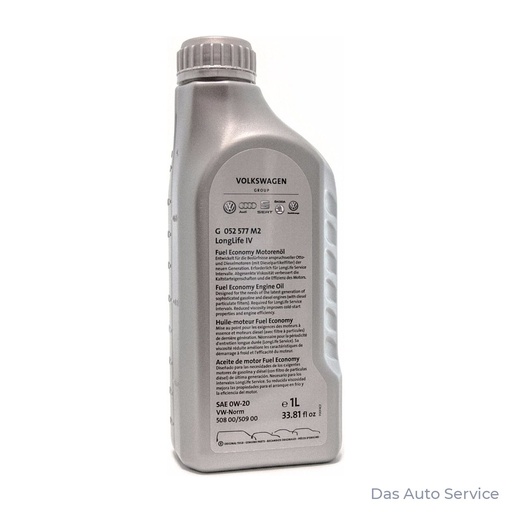
Genuine LongLife IV 0W20 oil G S60577M2 1l
Genuine LongLife IV 0W20 engine oil for engines that require it. Only use it if it meets the specified oil approval for your engine.
View in shop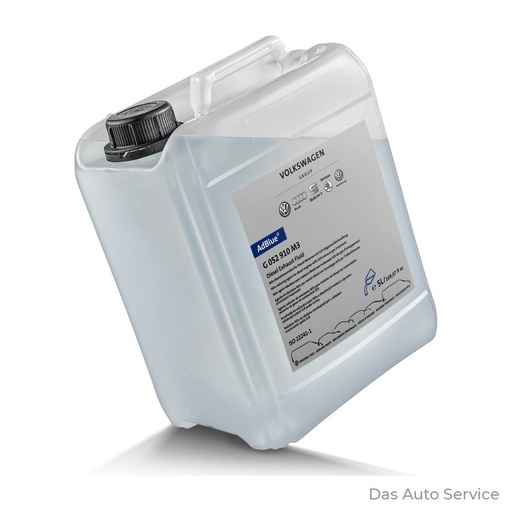
Genuine VAG AdBlue® fluid G052910M4 10l
Genuine AdBlue, 10 litres, for topping up the system. Make sure the fluid meets ISO 22241.
View in shopRead more
- Pre-purchase inspection
- Diagnostics
- Škoda Octavia 4 2.0 TDI Service Schedule
- AdBlue No Start in 1000 km: 2.0 TDI EA288
Frequently asked questions
What are the most common problems with the Octavia 4 2.0 TDI?
The main things I pay attention to are the AdBlue system, screen software, DPF and DSG servicing. That doesn't mean every car will have these problems, but they're all worth checking.
Octavia 4 or Octavia 3 – which should I buy?
The Octavia 4 offers more technology, but it also has more electronics. I'd make my choice based on the car's condition, service history and diagnostic results, rather than just which generation it belongs to.
What does dual AdBlue dosing mean?
It means the system has two injectors that spray AdBlue into the exhaust system. This makes the system more effective, but it also means there are more components to check when something goes wrong.
How often should the DSG oil be changed on an Octavia 4?
At Das Auto Service, we change the oil in all DSG gearboxes every 60,000 km using genuine oil. We always carry out an adaptation after servicing.