A family car that's quick enough to feel sporty, but could cost you a fortune if you don't know what you're buying? That's the Škoda Octavia RS for you. People often ask me about Skoda Octavia RS problems, especially on the Octavia 3 VRS and Octavia VRS 2.0 TDI. Are they reliable? Are they worth buying? Which one should you choose? The third generation (5E, 2013–2020) came with a 2.0 TSI producing between 220 and 245 hp, or a 2.0 TDI with 184 hp. The fourth generation (NX, from 2020) also offers a 200 hp diesel. We see enough RS models at Das Auto Service for me to know where their weak spots are. Let me show you what to watch out for, so you don't end up paying to fix somebody else's problems.
Who is the Škoda Octavia RS right for?
Imagine a family car that handles your everyday life without any fuss. There's plenty of room for passengers and luggage, but when you're alone behind the wheel, you can have a bit of fun too. That's exactly what the RS is about. If you enjoy driving and like to feel connected to the car, I'd look at the 2.0 TSI. If you cover a lot of miles and want something quick but practical, the 2.0 TDI makes more sense. Both are good choices, as long as you know what you want from the car.
What gearboxes and drive systems does the Octavia RS have?
There's an important difference between the generations here. Not every DSG gearbox is the same, even though they all look like automatics from the outside. Inside, they use different mechanisms, and proper servicing makes a huge difference to how long they last. Here's what you need to know.
- Octavia 3 RS – manual gearbox or 6-speed DSG DQ250 with wet clutches, which operate in oil.
- Octavia 4 RS – 7-speed DSG DQ381, also with wet clutches.
- Diesel versions with 4x4 – fifth-generation Haldex, which engages the drive to the rear wheels.
Both the DQ250 and DQ381 need proper servicing. Just because they change gear quickly and smoothly doesn't mean the oil inside lasts forever. And if you've got a 4x4, there's the Haldex system to look after as well. Forget about that, and you'll eventually be wondering why your four-wheel drive isn't working properly.
What Skoda Octavia RS problems do we see in the workshop?
2.0 TSI – water pump and thermostat
On the petrol 2.0 TSI, one of the first things I check is the cooling system. Leaks from the water pump and thermostat are not something you should ignore. If the car is losing coolant, don't assume it's normal to keep topping it up. You need to find out where it's leaking from. Otherwise, what starts as a fairly straightforward problem can turn into something much more unpleasant.
DSG – why does the gearbox jerk and hesitate?
On the DQ250, I pay particular attention to the mechatronic unit. Think of it as the gearbox's brain. It controls when and how the gears change. With the DQ381, one of the important questions is when to change the gearbox oil. If the gearbox jerks, thumps or hesitates during your test drive, don't accept the old excuse that "they all do that". First, we find out what's causing it. Then we decide what needs fixing.
2.0 TDI – EGR, DPF and AdBlue
On the diesel, I check the EGR, DPF and AdBlue system. The EGR sends some of the exhaust gases back into the engine, while the DPF traps soot. On versions with AdBlue, you might also see the rather unpleasant warning “Engine start not possible in 1000 km”. Trust me, that's not a message you want to ignore. You need to find out exactly what's wrong, rather than simply clearing the fault codes and hoping for the best.
Remapping – more power, but at what cost?
Plenty of RS models have been remapped for more power. I understand why. You buy a quick car, and naturally you want it to go even faster. But once the power has been increased, the DSG clutches and Haldex system can end up working right at their limits. That extra strain doesn't disappear just because the car feels great to drive. That's why I always want to know whether the engine software is still original.
What should I check before buying an Octavia RS?
This is where I really want you to be careful. An RS can look fantastic, drive beautifully and still hide problems that you'll end up paying for. Don't judge it just by its appearance or how hard it pushes you back into the seat. Check these things first.
- Is the software original? Find out whether the power has been increased and exactly what's been changed.
- How does the DSG behave? Test the gear changes, including at full throttle. Don't overlook any jerking or hesitation.
- Are there any coolant leaks? Check the water pump and thermostat carefully.
- If it's a 4x4, is there a Haldex service history? Ask for proof of servicing, not just someone's word.
If you can't carry out these checks yourself, the sensible thing to do is book a pre-purchase inspection. The idea isn't to find an excuse to put you off buying the car. It's to make sure you know exactly what you're getting. I'd much rather we find the problems before you hand over your money than after you've already got the keys.
How should I service my Škoda Octavia RS?
If you want your RS to put a smile on your face rather than spend half its life in the workshop, don't cut corners on servicing. Especially if you enjoy driving it hard. For cars driven in Bulgaria, these are the service intervals I recommend, regardless of what the extended LongLife service schedule says.
- Engine oil and all filters – oil, fuel, air and cabin – every 10,000 km or once a year, whichever comes first, regardless of the oil used.
- DSG DQ250 and DQ381 – change the oil every 60,000 km using genuine oil, with a mandatory gearbox adaptation after servicing.
- Fifth-generation Haldex and rear differential – change both oils every 30,000 km.
I've also put together a separate service schedule for the Škoda Octavia 3 2.0 TDI. Manufacturers' recommendations often take environmental requirements into account, but I also think about how long you want your engine to last. That's why I don't leave the oil in for huge mileages. Saving a little on servicing today could mean paying for a very expensive repair tomorrow.
IMPORTANT! If your RS has been driven on a track or has been remapped, it needs shorter service intervals, not longer ones. More stress on the car means it needs more care.
Is the Škoda Octavia RS worth buying?
Yes, absolutely. To me, the Octavia RS is one of the most sensible fast family cars around. You get all the practicality of an Octavia, with the added enjoyment of a sportier drive. But I'd look for one with a clear history, original software and proof that it's been properly maintained. Don't buy it just for the horsepower. Buy it for its condition.
Tip from Kris Mladenov: Take a good look at the tyres and brakes. They can tell you a lot about how the car has been driven. If something doesn't feel right, don't rush into the deal. There are other RS models out there, but if you buy a bad one, the repair bill will come straight out of your own pocket.
I hope you've found this article useful! If you have, I'd really appreciate you sharing it with a friend who owns an Octavia RS or is thinking of buying one. I've always believed that if I know something useful, more people should know about it too. That's how we can help each other avoid mistakes, unnecessary repairs and wasted money.
The solution in our shop

Genuine Longlife III FE 0W30 oil 5L
Genuine LongLife III engine oil is a suitable choice when it meets the requirements of your particular engine. Whatever the LongLife name suggests, I recommend changing the engine oil and all filters every 10,000 km or once a year, whichever comes first.
View in shop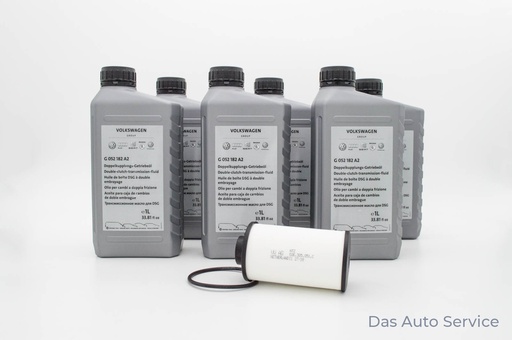
Genuine service kit for the 6-speed DSG DQ250, including oil, filter and seals. Everything you need for the gearbox service is conveniently included in one kit.
View in shop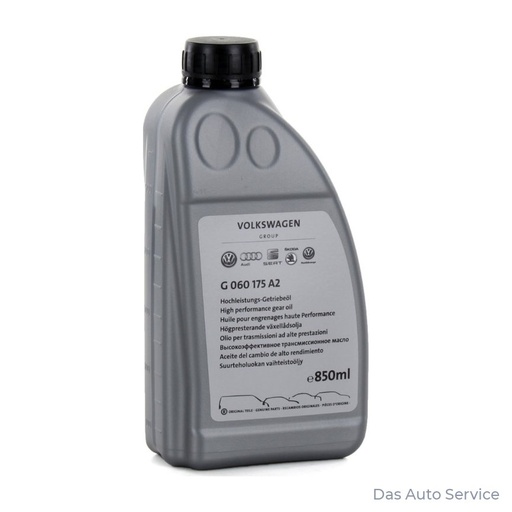
Genuine Haldex oil G060175A2 850ml
Genuine oil for the fifth-generation Haldex coupling. It's important to use the correct oil for this system.
View in shopRead more
- Pre-purchase inspection
- Routine servicing
- EA888 Gen3 Water Pump Leak: Causes and Fix
- Škoda Octavia 3 2.0 TDI Service Schedule
- DSG DQ250 Mechatronic Problems: Signs and Causes
Frequently asked questions
What are the most common Octavia RS problems?
On the 2.0 TSI, watch out for water pump and thermostat leaks. On the 2.0 TDI, pay attention to the EGR, DPF and AdBlue systems. With DSG gearboxes, check how they change gear and make sure there's a proper service history.
Should I choose an Octavia RS TSI or TDI?
If driving enjoyment is your priority, I'd choose the 2.0 TSI. If you cover a lot of miles, the 2.0 TDI is the more sensible choice.
Is the Octavia 3 RS or Octavia 4 RS the better choice?
The Octavia 3 RS comes with a manual gearbox or DSG DQ250, while the Octavia 4 RS uses the DSG DQ381. Personally, I'd choose based on the condition, history and maintenance of the individual car.
How often should I change the DSG oil in an Octavia RS?
I recommend changing it every 60,000 km using genuine oil, whether you've got the DQ250 or DQ381 gearbox. At Das Auto Service, we always carry out a gearbox adaptation after servicing.