Looking for a Škoda Superb 2.0 TDI review because you're torn between 150 and 190 hp, DSG or manual, front-wheel drive or 4x4? I know those questions well. I hear them all the time at the workshop. The Škoda Superb is one of those cars where you've got almost luxury-saloon levels of space in the back, with the familiar 2.0 TDI under the bonnet. But all that room doesn't mean there's nothing to go wrong. The second generation (3T, 2008–2015) and third generation (3V, 2015–2023) each have their own things to watch out for. Let me show you what we check before deciding whether a particular car is worth your money.
Who is the Škoda Superb 2.0 TDI right for?
Got a big family, do plenty of travelling and want everyone to be comfortable? Then the Superb is definitely worth a look. There's more than enough room, the ride is comfortable, and the 2.0 TDI makes a lot of sense if you cover plenty of miles. You don't need to move up to a more expensive class of car just to give the whole family some space. The Superb has it already.
If you love heading into the mountains or regularly drive in winter, have a look at the 4x4 version too. But! There's something a lot of people miss. Just because the boot says 4x4 doesn't mean the rear wheels are actually being driven. I'll explain why in a moment.
Which engines and gearboxes does the Superb 2.0 TDI have?
At first glance, choosing between the two generations seems straightforward, but there are a few important differences. Don't just look at the horsepower in the advert. Check which gearbox the car has, whether it's 4x4 and, most importantly, how well it's been looked after.
- Škoda Superb 2 (3T, 2008–2015) – 2.0 TDI common rail with 140 or 170 hp. The second generation is still worth buying, as long as the previous owner maintained it properly.
- Škoda Superb 3 (3V, 2015–2023) – 2.0 TDI EA288 with 150 or 190 hp. This is the newer generation, and you'll definitely want to check the AdBlue system as well.
- Gearboxes – manual or DSG with wet clutches. In the DSG, the clutches run in oil, so changing that oil on time really matters.
- 4x4 drivetrain – uses Haldex, the clutch system that engages the rear wheels. The Superb 2 has fourth-generation Haldex, while the Superb 3 has fifth-generation. That difference matters when it's time for a service.
What problems do we see on the Superb 2.0 TDI?
EGR, DPF and AdBlue – where do the problems start?
With the 2.0 TDI, we always take a close look at the EGR valve and system, which sends some of the exhaust gases back into the engine. Carbon builds up over time, and the EGR cooler can crack too. We also check the DPF – the filter that traps soot from the exhaust. Once it gets blocked, the headaches begin. On the Superb 3, we add the AdBlue system to our checks.
This is where so many people go wrong. The engine management light comes on, or the glow plug warning light starts flashing, and they immediately start replacing parts. Please don't do that. First, we need to find out exactly what's failed. Otherwise, you could replace half the system and still have the same problem. Diagnosis first. Repairs second.
DSG – why does it start jerking and jolting?
People often ask me whether the DSG is reliable, especially on the 190 hp Superb 3 with 4x4. It uses wet clutches, and the most important thing is changing the gearbox oil on time. If it jerks or jolts during your test drive, don't believe anyone who tells you, "They all do that." They don't. I've explained the correct servicing in detail here: DSG DQ381 and DQ500 – when to change the oil.
Haldex – why might the 4x4 not work at all?
The Haldex is the clutch system that brings the rear wheels into play when they're needed. It has its own oil, and the rear differential uses a different oil. Both need changing. If those services have been skipped, you could be driving a Superb with a proud 4x4 badge on the back while the rear wheels aren't getting the drive they should. I've explained the different generations and how to service them here: Haldex generations 1 to 5.
What should you check before buying a Superb 2.0 TDI?
When you're buying a used Superb, don't let a tidy interior and a quiet engine win you over too quickly. I want to see what the diagnostics tell us, how the gearbox changes gear and whether the 4x4 works properly. Here's what we look at.
- Full diagnostic scan – we check the EGR, DPF, AdBlue on the Superb 3, and the DSG if it's an automatic.
- 4x4 drivetrain – we test the Haldex and check when its oil and the rear differential oil were last changed.
- Service history – we want evidence of the maintenance that's been done, and we check the car's genuine mileage. We don't just take the seller's word for it.
- Test drive – we check how the car pulls away, accelerates and changes gear. If the DSG jerks, we investigate why instead of turning a blind eye.
That's exactly why I always recommend a pre-purchase inspection. It's much better to know what you're buying before you hand over your money than to discover the problems after the deal is done.
Škoda Superb 2.0 TDI service schedule – what do I recommend?
This is one area where I won't compromise. Regular servicing matters far more than claims about how long a particular oil can last. The intervals I recommend for cars driven in Bulgaria are designed to help you keep your car running for years without spending unnecessary money on repairs. Not simply to meet the manufacturer's environmental requirements.
- Engine oil and all filters – oil, fuel, air and cabin filters – every 10,000 km or once a year, whichever comes first. Even if the car is on a LongLife service schedule, and regardless of which engine oil you use.
- DSG – change the gearbox oil every 60,000 km, using genuine oil only. After servicing, we always carry out a gearbox adaptation too.
- Haldex and rear differential – every 60,000 km on the Superb 2 with fourth-generation Haldex, and every 30,000 km on the Superb 3 with fifth-generation Haldex.
- Brake fluid – change it every 2 years.
- Coolant – change it every third heating season.
- Workshop inspection – every 6 months, so we can catch small problems before they turn into expensive ones.
If you drive the third generation, take a look at my detailed Škoda Superb 3 2.0 TDI service schedule.
IMPORTANT! Just because the boot says 4x4 doesn't mean the rear wheels are being driven. Before buying, make sure the system is checked with diagnostic equipment. A test drive alone isn't enough.
Is the Škoda Superb 2.0 TDI worth buying?
For me, the Superb 2.0 TDI is one of the best family cars you can buy. You get loads of space, comfort and a choice of power outputs and drivetrains. But I'd only buy one with a clear service history and a properly checked DSG and Haldex, if fitted. If it's been looked after, the Superb is well worth having. If it's been neglected, that lovely first impression can disappear very quickly.
Advice from Kris Mladenov: With a Superb 4x4, start by asking when the Haldex and DSG oils were last changed. If the seller doesn't know, I consider the servicing unproven until I've seen the paperwork. And make absolutely sure both systems work before you part with your money.
I hope I've helped you look at the Superb with a slightly more experienced eye! If you've found this article useful, share it with a friend who's also looking for a Škoda Superb. My thinking is simple – if I know something that could help you, I want you to know it too. That way, you can make a better decision about your car.
The solution in our shop

Genuine LongLife III FE 0W30 5L engine oil
Genuine LongLife III engine oil is suitable for the engine. But even with this oil, my advice is to change it every 10,000 km or once a year, whichever comes first.
View in our shop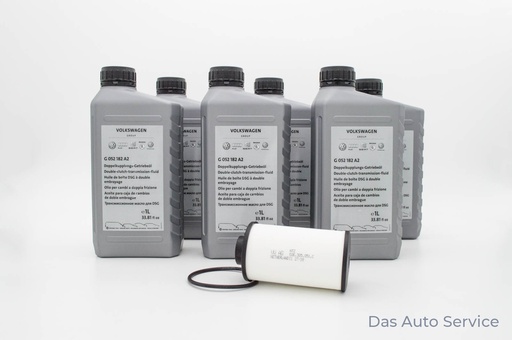
Genuine service kit for the 6-speed DSG DQ250, including oil, filter and seals. Just make sure the kit is the correct one for your particular gearbox.
View in our shop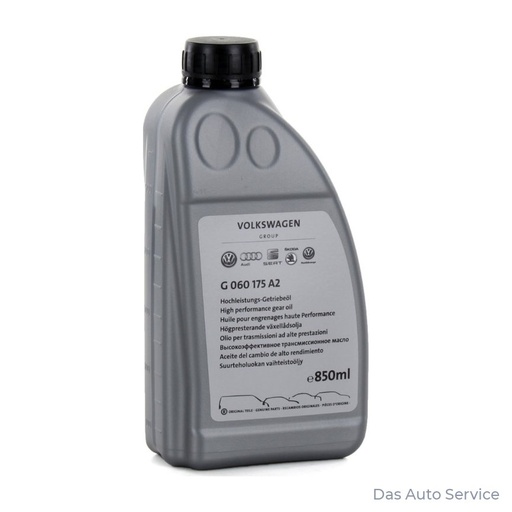
Genuine Haldex oil G060175A2 850 ml
Genuine oil for fifth-generation Haldex, as fitted to the Superb 3 4x4. Just don't confuse it with the rear differential oil – they're different.
View in our shopRead more
- Pre-purchase inspection
- Routine servicing
- Škoda Superb 3 2.0 TDI service schedule
- Haldex generations 1 to 5: when should I service it and which oil should I use?
- DSG DQ381 and DQ500 with wet clutches: when should the oil be changed?
Frequently asked questions
Should I choose the Superb 2 or Superb 3 2.0 TDI?
Both generations are worth considering, provided they've been properly maintained. The Superb 3 has the newer EA288 engine, but don't forget to check the AdBlue system too. I'd choose whichever car has the better service history and overall mechanical condition.
Should I get the 150 hp or 190 hp Superb 3?
Both use the 2.0 TDI EA288 engine. If you've found a 190 hp model with 4x4 and DSG, pay particular attention to how the gearbox and Haldex have been serviced. Don't make your decision on horsepower alone.
When should the Haldex oil be changed on a Superb 4x4?
On the Superb 2 with fourth-generation Haldex, every 60,000 km. On the Superb 3 with fifth-generation Haldex, every 30,000 km. Don't forget the rear differential either – service it at the same time as the Haldex.
How often should the DSG oil be changed on a Superb?
My advice is every 60,000 km, using genuine oil only, whichever DSG version you have. We also carry out a gearbox adaptation after every oil change.