When I tell someone their engine needs a full rebuild, the first question is always "How much?" The second is "What exactly are you going to do?" And I'm always happy to answer that second question. I want you to understand what you're paying for and the difference between a proper VAG engine rebuild and a repair that's only a rebuild in name. So let me show you how we do it at Das Auto Service, with photos of a real engine on our workbench.
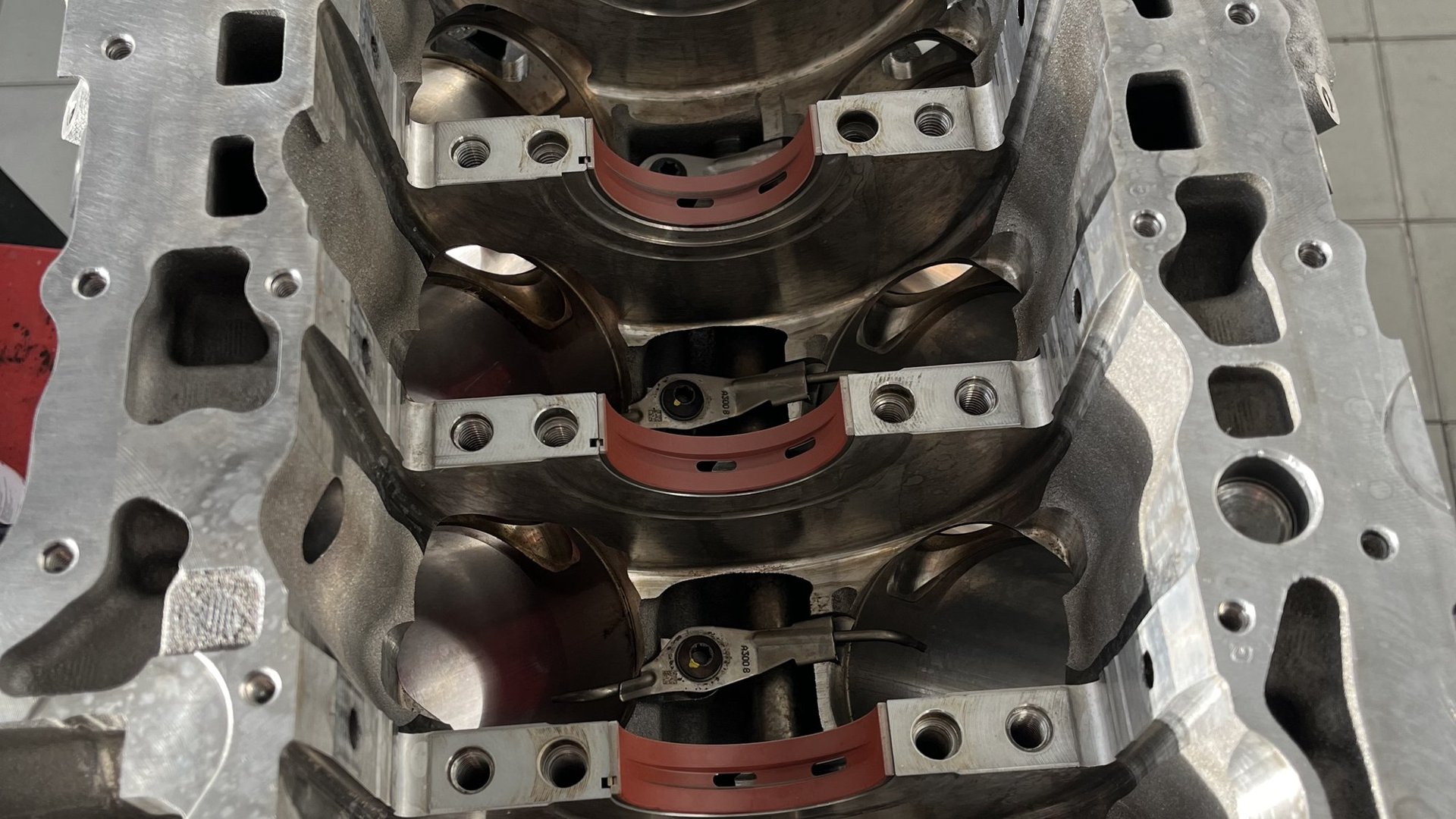
Why does an engine need a full rebuild in the first place?
In most cases, it all starts with the oil. Missed oil changes, the wrong specification, a low oil level or overheating. The crankshaft bearings rely on an incredibly thin film of oil to keep the metal surfaces apart. Lose that film and metal starts rubbing against metal. At first, you hear a faint knocking noise. Then the engine starts knocking louder and louder. Eventually, the red oil pressure warning light comes on. And by then, you're looking at a serious repair.
What do we do once we've removed the engine?
- We strip the entire engine. Every part is marked so we know exactly where it came from.
- We measure the crankshaft, main bearing housings, cylinders and pistons. We use micrometers and bore gauges – precision measuring tools. Guesswork simply isn't good enough here.
- We check which parts are worn and, more importantly, why they wore out. Because what's the point of replacing a damaged part if we leave the cause of the problem untouched?
- We thoroughly clean the engine block and every oil passage. Even one tiny particle left inside can destroy a brand-new bearing. That's why we don't cut corners here.
- We replace the bearings, piston rings and every part that's worn beyond the permitted tolerances. We use genuine parts.
- We reassemble the engine using the exact tightening torques. And any bolts designed to stretch when tightened are always replaced with new ones.
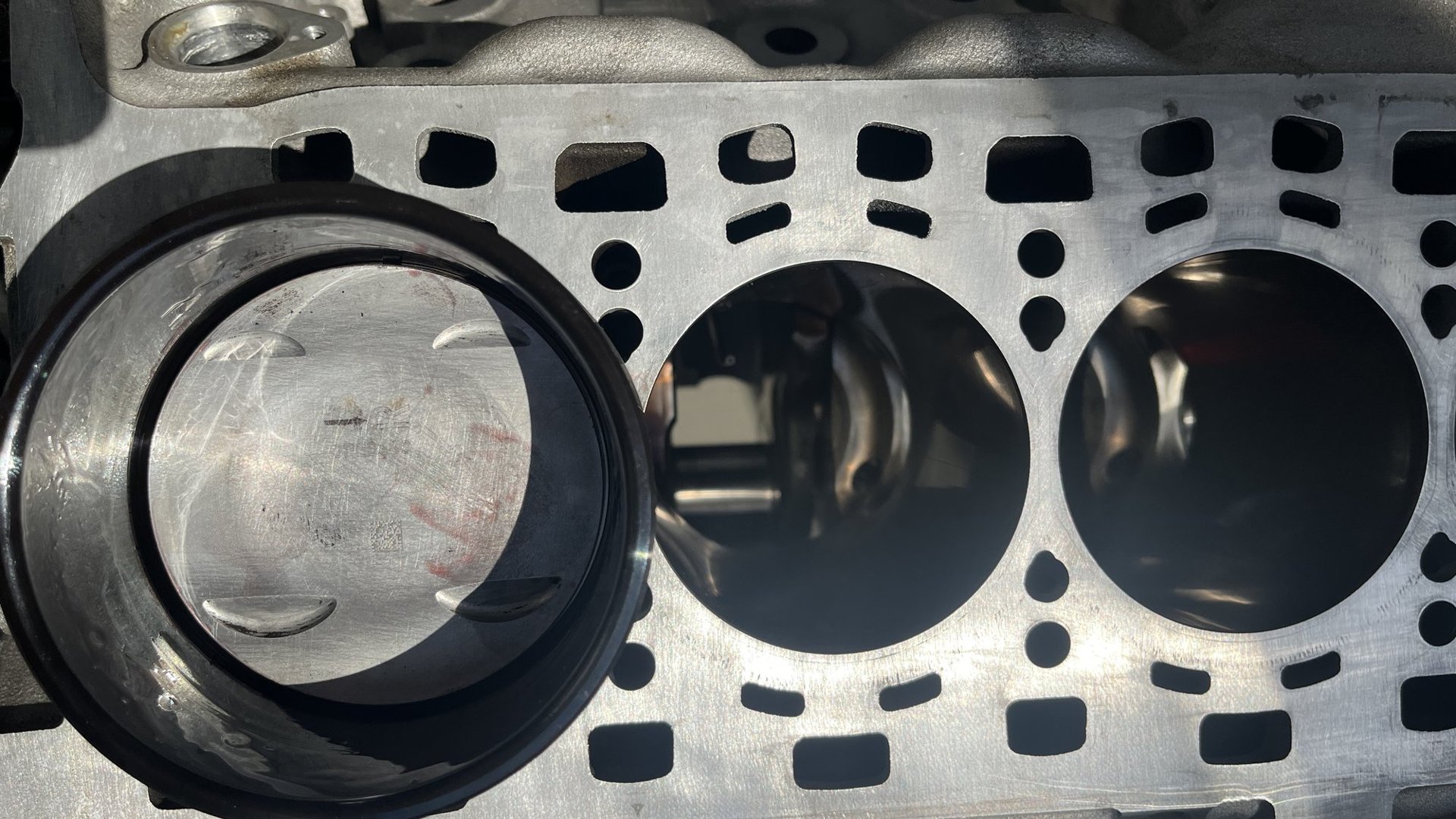
Many VAG engines have Alusil cylinder surfaces. That means you can't simply rebore or hone them as you would an old cast-iron block. If someone tells you, "We'll just hone the cylinders and it'll be fine", ask them exactly how they plan to do it. Because you can't use the same machining process on every engine.
Why am I so particular about using genuine parts?
Because when you're rebuilding an engine, we're talking about accuracy down to hundredths of a millimetre. There's no room for "close enough" here. I've already explained in my article about excessive oil consumption in the 1.8 and 2.0 TFSI how aftermarket pistons with the old, unimproved design can knock at idle. Just imagine paying for a full engine rebuild, only to sit at every set of traffic lights listening to your engine knocking away. I don't want that happening to you. That's why choosing the right parts matters so much.
What happens after we've rebuilt the engine?
- We change the first lot of engine oil earlier, once the engine has been run in.
- Take it easy for the first few miles. Keep the revs down and avoid full throttle. Give the engine time to bed in properly.
- We check the oil pressure, look for leaks and scan for fault codes. Just because the engine starts doesn't mean the job is finished.
When a full rebuild is done properly, the engine is brought back to a condition close to how it left the factory. That's exactly what we aim for at Das Auto Service. And that's why we provide a warranty on our rebuild work.
A tip from Kris Mladenov: Do you know what the best engine rebuild is? The one you'll never need. Change your engine oil and oil filter every 10,000 km or once a year, whichever comes first, regardless of which oil you use. Always use the correct oil specification and don't put off routine servicing. I'm telling you this because I want your engine bearings to stay healthy for years to come.
I hope you now have a better idea of what a full engine rebuild actually means. It's not just a case of fitting a few new bearings and bolting the engine back together. We need to measure everything, find out why it failed and fix the underlying cause. Otherwise, you could end up paying for the same repair all over again. And that's the last thing I want for you. If this article has helped, share it with a friend who drives an Audi, Volkswagen, Škoda or SEAT.
The right product from our shop
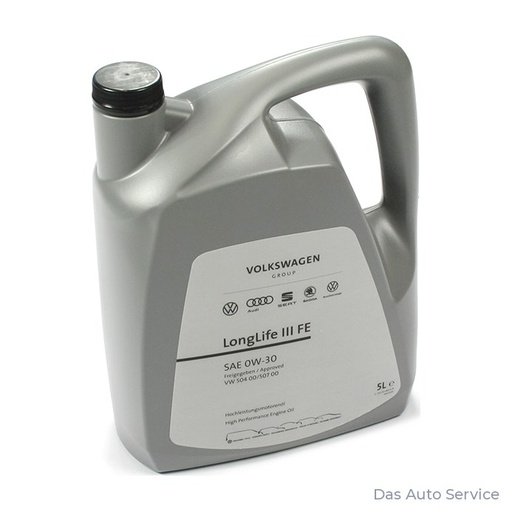
Genuine LongLife III FE 0W30 engine oil, 5 litres
Genuine LongLife III FE 0W30 engine oil, 5 litres, provided it meets your engine's required oil specification.
View in our shopFurther reading
- Full Engine Rebuilds
- Diagnostics
- 1.8 and 2.0 TSI/TFSI Engines – Excessive Oil Consumption
- Torque Wrenches: Why the Correct Tightening Torque Matters
- When Should I Change the Oil and Service Parts on My VAG Car?
- Compression, Leak Tests and Borescope Inspections: How We Check Engine Health
- Inside a TDI Cylinder Head: Camshafts and Hydraulic Lifters
Frequently Asked Questions
What exactly does a full engine rebuild involve?
We strip the entire engine and measure the crankshaft, main bearing housings, cylinders and pistons. We clean the oil passages and replace the bearings, piston rings and all worn parts with genuine ones. Then we put everything back together using the correct tightening torques.
Why do crankshaft bearings fail?
Most of the time, the oil is to blame. You leave it too long between oil changes, use the wrong oil specification, let the level drop or the engine overheats. Once that thin film of oil disappears, metal starts rubbing against metal. And the bearings wear out.
Can the cylinders in a VAG engine be rebored?
With engines that have Alusil cylinder surfaces, you can't simply rebore or hone the cylinders as you would with an old cast-iron block. That's why we first check exactly what type of engine block we're dealing with and what condition the cylinders are in.