"The check engine light is on in my Golf 5, but the car drives perfectly fine. Should I worry?" I hear this all the time at the workshop. It's much the same story with the Passat B6, because both cars share a lot of engines and, unfortunately, a lot of the same problems. Sometimes it's something minor. Other times, that little warning light is telling you about a problem that could cost you a fair bit of money. I'll walk you through the fault codes we see most often at Das Auto Service, what they mean and why you should never start replacing parts just because a diagnostic tool has found a fault.
What does the VW Golf 5 check engine light mean?
The Check Engine light is that yellow engine-shaped warning light on your dashboard. When it comes on, it means the car's computer has detected something wrong with the engine or the systems that monitor exhaust emissions. But here's the important bit! The light doesn't tell you which part has failed. It's simply warning you that something needs checking.
Plenty of owners tell me, "But it drives fine, there's no smoke, no shaking, so why bother with diagnostics?" I get it. The trouble is, an engine can seem to run perfectly normally even when the computer has already recorded a fault. And that's where you can get caught out. If you wait until the car starts struggling, you might already have left the repair too late.
There's another very important difference. If the Check Engine light stays on continuously, we need to find out why. But if it's flashing, the engine could be misfiring. That means one or more cylinders aren't burning the fuel properly. This is serious, and you shouldn't put the engine under load.
What are the most common petrol engine fault codes?
On petrol Golf 5 and Passat B6 models, there are a few fault codes we see time and again. Look through the owners' groups and you'll find someone who's replaced half the engine trying to fix each one. You don't need to go down that road. What matters is understanding what the computer is actually telling you.
- P0300–P0304 – engine misfires. The engine might shake, hesitate or feel noticeably down on power. Ignition coils and spark plugs are often responsible. I've explained what to look out for in my guide to ignition coils and spark plugs.
- P0171 – lean fuel mixture. In simple terms, the engine is getting too much air for the amount of fuel being supplied. There could be a vacuum leak or a problem with the crankcase ventilation system. Don't rush into buying parts until you've checked what's actually causing it.
- P2015 – intake manifold flap problem on FSI and TFSI engines. These flaps control how air flows into the engine. When they aren't working properly, the computer records a fault. But the code alone doesn't tell you exactly which part needs replacing.
- P0420 – low catalytic converter efficiency. The catalytic converter helps clean up the exhaust gases. This code means the system has detected that it isn't working as efficiently as expected. But before you decide the catalytic converter needs replacing, you need to find out what's causing the fault.
See what all these codes have in common? A single fault code can point to several different causes. So when someone tells you, "It's definitely an ignition coil" or "You need a new catalytic converter" without even checking the car, I'd be very careful. A guess isn't a diagnosis.
What fault codes do we see most often on diesel engines?
With TDI engines, things are a little different. I often hear, "The glow plug light is flashing", "The car has no power" or "The Check Engine light was on, but everything was fine after I cleared the faults." Here's the problem: clearing fault codes doesn't actually fix anything. It just removes the recorded warning until the computer detects the problem again.
- P0401 – insufficient EGR flow. EGR is the system that sends some of the exhaust gases back into the engine. This code means the flow isn't what the computer expects. It doesn't automatically mean the EGR valve needs replacing.
- P0299 – turbo underboost. The car might feel sluggish because the engine isn't getting the boost pressure it should. We need to find out why the pressure is too low, rather than immediately blaming the turbocharger.
- Injector faults and warm-start problems on PD (Pumpe Düse) engines. These are well-known issues with older TDI engines. If you've got one, have a read of my article about 1.9 and 2.0 TDI PD engines.
With diesels especially, it's important not to look at every fault code in isolation, as though the rest of the engine doesn't exist. The computer can see the result of a problem, but it doesn't always know what's causing it. Our job is to find that cause. Otherwise, you end up playing the familiar game of replacing parts and hoping for the best.
How do we find out why the Check Engine light is on?
At Das Auto Service, we don't start by replacing parts. First, I want to see what faults the car has recorded, how the engine is running and whether the different fault codes are connected. Because reading a fault code is one thing. Understanding why it appeared is something else entirely.
- We scan all the control modules, not just the engine ECU. That way, we can see whether there are other recorded faults that might help us understand the bigger picture.
- We check the measuring blocks – the live readings the computer reports while the engine is running. If you want to understand why this matters so much, read my guide to what diagnostic measuring blocks tell us.
- We identify the actual cause first. Only then do we decide what needs repairing or replacing. Never the other way round.
That's the difference between simply reading fault codes and doing a proper diagnosis. A diagnostic tool is a tool, not a mechanic. It can show us P0401 or P0299, but it can't take the engine apart and point to the faulty component. That's why I always want evidence first and repairs second.
WARNING! If the Check Engine light is flashing, don't put the engine under load. It could mean the engine is misfiring and unburnt fuel is reaching the catalytic converter. The converter can overheat and burn out in just a few minutes. Don't carry on driving as though nothing is wrong.
How can I look after my engine and avoid problems?
Diagnostics matter, but regular servicing is just as important. For cars driven in Bulgaria, I recommend changing the engine oil and all the filters – oil, fuel, air and cabin – every 10,000 km or once a year, whichever comes first. That applies regardless of the oil you use, including LongLife. The longer factory service intervals are designed with environmental targets in mind. I'd rather look after your engine.
Tip from Kris Mladenov: A fault code isn't a diagnosis. P0401 doesn't mean "replace the EGR valve". It means "check why the EGR flow is too low". My advice is simple: get a proper diagnosis before spending money on parts, and have your car checked at a workshop every six months. You'll see the difference when the bill arrives. And remember, it's your money paying for it.
I hope you've found this article useful! If you have, I'd love you to share it with a friend who drives a Golf 5 or Passat B6 and is wondering why the Check Engine light is on. My mission is simple: when I know something useful, I want more people to know it too. Because the better you understand your car, the harder it is for someone to talk you into paying for repairs you don't actually need.
The solution in our shop
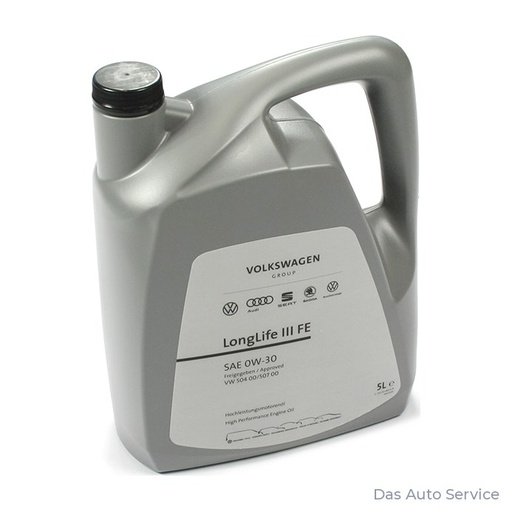
Genuine Longlife III FE 0W30 oil 5L
LongLife III oil is designed for the specified petrol and common rail diesel engines. Using the correct oil matters, but that doesn't mean you should extend the oil change interval.
View in shop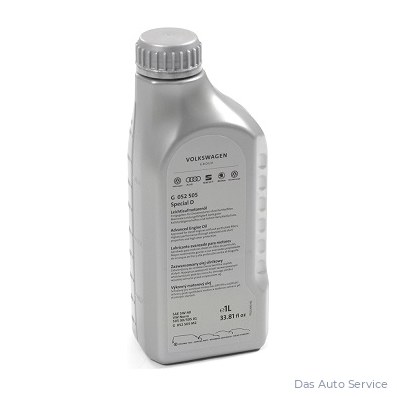
Genuine SpecialD 5W40 Volkswagen diesel oil 1L
SpecialD 5W40 oil is intended for TDI engines with PD (Pumpe Düse) injectors. Using the correct oil is especially important on these engines, so don't choose your oil based on viscosity alone.
View in shopRead more
- Diagnostics
- VAG Live Data Diagnostics: What the Readings Reveal
- 1.9 TDI PD Common Problems and Weak Points
- 2.0 TFSI Ignition Coils and Spark Plugs
Frequently asked questions
Why is the Check Engine light on in my Golf 5?
Because the car's computer has detected a fault with the engine or its exhaust emissions systems. There are several possible causes, from ignition coils and spark plugs to the EGR system, turbocharger or catalytic converter. A proper diagnosis is the only way to find out exactly what's wrong.
What does P0401 mean on a TDI engine?
It means the computer has detected insufficient flow through the EGR system. That doesn't necessarily mean the EGR valve itself is faulty. First, we need to find out why the flow is too low.
Can I keep driving with the Check Engine light on?
If the light stays on continuously, you should get the cause checked as soon as possible. If it's flashing, don't put the engine under load. Pull over somewhere safe, because there's a risk of serious damage to the catalytic converter.