You buy a Golf 5, the engine runs nicely, there's no smoke or rattling, and you think you've found yourself a good car. Then, just after buying it, you start hearing a knocking noise when you turn the steering wheel, the climate control blows air wherever it fancies, and if it's got a DSG gearbox, it sometimes jerks. Sound familiar? I've written separate articles about Golf 5 engines, so here I want to talk you through the other VW Golf 5 common problems we see at the workshop, whatever's under the bonnet. I want you to know what to look for before you hand over your money, because a car can have a lovely engine and still give you plenty of headaches.
Why does the Golf 5 electric steering rack knock?
One thing I always check on a Golf 5 is the electric steering rack. That's the mechanism that turns the front wheels when you turn the steering wheel, with an electric motor helping you steer more easily. When something starts going wrong, you might hear knocking as you turn the wheel or find fault codes during a diagnostic scan. And this is where a lot of people make a mistake. They hear a noise from the front and immediately blame the suspension bushes or control arms. Don't jump to conclusions.
What matters is finding out exactly where that knocking comes from, rather than throwing new parts at the car and hoping for the best. The electric steering rack has both mechanical and electrical components, so you need to check it properly to find the fault. If you're already hearing something suspicious, have a read of my detailed guide to the Golf and A3 electric steering rack. I've explained what to watch out for. I don't want you paying for repairs before you even know what's actually broken.
What are the common DSG DQ250 problems on a Golf 5?
If you've got your eye on a Golf 5 with the six-speed DSG DQ250 gearbox, pay particular attention to how it behaves. At the workshop, owners often describe the symptoms as "the gearbox kicks", "it jerks" or "it bangs when changing gear". One important thing to check is the mechatronic unit. Think of it as the gearbox's brain. It controls the gear changes. When something isn't working properly, simply clearing the fault codes and hoping everything will be fine isn't enough. You need to find out what's causing the problem.
The other important thing is the gearbox oil. I recommend servicing the DSG DQ250 every 60,000 km using genuine oil, replacing the filter and always carrying out an adaptation afterwards. If the seller tells you the oil has been changed, ask for the service history. Don't just take their word for it. I've explained more about the mechatronic unit and its typical faults in DSG DQ250 – when the mechatronic unit fails. Give it a read, especially if you're buying an automatic.
Why does the climate control rattle and blow air in the wrong direction?
Picture this. It's cold outside, you set the heating to demist the windscreen, but the warm air comes out down by your feet instead. Or you change the settings and an annoying clicking noise starts behind the dashboard. On a Golf 5, this can be caused by the climate control flap motors. These little motors move the flaps that direct air to different parts of the cabin. When one stops working properly, the system no longer does what you're asking it to do.
That's why, when checking the car, don't settle for seeing whether the air conditioning blows cold air. Try every airflow direction, change the settings and listen to what's happening behind the dashboard. If you hear clicking or rattling, or the air isn't coming out where you've selected, something needs checking. I've covered this in detail in my guide to climate control flap motors that rattle. It's one of those problems that seems small until you actually start trying to fix it.
What goes wrong with the bodywork and electrics?
The Golf 5 has a few other areas worth checking, away from the engine and gearbox. They're not necessarily reasons to walk away from the car, but you should know about them. Especially when you're buying used, because little faults are easy to miss when everything else looks good. Here's what I check:
- Electric windows and door locks. Try every window and every door. Just because the driver's window works doesn't mean all the others are fine.
- Rear brake calipers. I check that they're not sticking, because brakes need to work properly, not just manage to bring the car to a stop.
- Rear suspension bushes and mountings. These deserve a proper check too, especially if you can hear noises coming from the back.
- Water leaks from the drains. Look carefully for signs of damp, because water getting into the cabin is never something I'd ignore.
Any of these things can seem unimportant when you've fallen for a car. I get it. But I'd much rather you spot the problems before buying it than discover them one by one afterwards. At least that way, you know what you're buying and what you'll need to put right.
Which VW Golf 5 common problems should you check before buying?
If you've found a Golf 5 that looks good, don't rush into buying it just because the engine runs nicely. I want you to check the rest of the car too. Some problems you can hear, others you can see, and some only show up when you connect a diagnostic tool and scan the car. Here's how I'd go about it:
- Run a diagnostic scan of every control module. Not just the engine, because other systems can have stored fault codes too.
- Turn the steering wheel and listen for knocking. Check the electric steering rack for fault codes as well.
- If the car has DSG, check how it changes gear and ask for proof of the gearbox oil service history.
- Run the climate control through every setting. Check where the air comes out and listen for rattling from the flap motors.
Those are the main checks, but don't forget the doors, windows, rear brakes, suspension and any signs of water getting inside. The sensible thing to do is book a pre-purchase inspectionbefore you pay for the car. That way, you'll have a much clearer picture of its actual condition. I'd much rather tell you what needs repairing before you buy it than see you back at the workshop afterwards with a nasty surprise.
IMPORTANT! Small problems on an older car can quickly add up to a big repair bill. Don't just look at the engine and how nice the car looks. Check every fault and take it into account when deciding whether to buy.
Is the Golf 5 still worth buying?
I think a Golf 5 can still be a sensible buy, as long as you know what you're getting. An electric steering rack that's been properly checked, a DSG gearbox that's been serviced and works as it should, and climate control that actually does what you ask are all important parts of the picture. Don't expect an older car to be perfect, but don't accept every fault as normal just because it's getting on a bit. It's simple really. Buy on condition, not just first impressions.
Tip from Kris Mladenov: On a Golf 5, turn the steering wheel all the way to full lock while the car is stationary and listen carefully. If the steering rack knocks, that's a good reason to ask for a more thorough inspection. And don't forget to have the car checked every 6 months as a preventative measure. It gives you a chance to catch problems before they get worse.
I hope you've found this article useful! If you have, I'd really appreciate you sharing it with a friend who drives a Golf 5 or is thinking about buying one. My mission is simple. When I know something useful, I want more people to know it too. Because good advice can save you a lot of trouble, and when you pay for repairs you never needed, that money comes straight out of your own pocket.
The solution in our shop
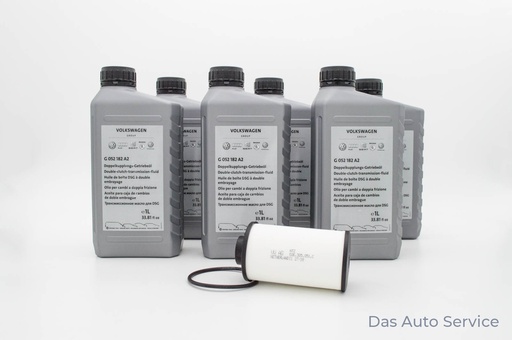
Genuine service kit for the six-speed DSG DQ250 gearbox, including oil, filter and seals. For me, a proper gearbox service starts with genuine parts and fluids and finishes with the essential adaptation.
View in shop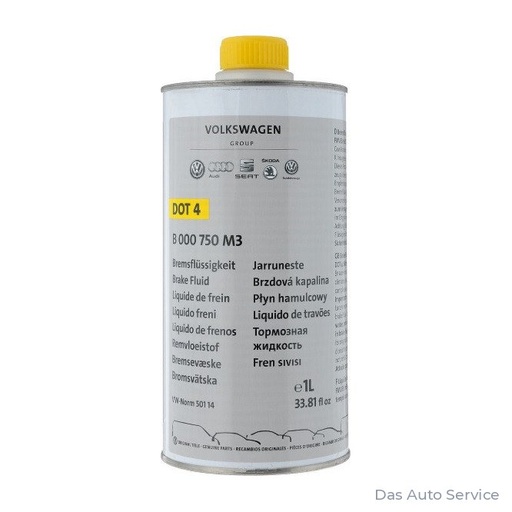
Genuine Audi/Volkswagen DOT 4 brake fluid B000750M3 1l
Genuine DOT 4 brake fluid for servicing the braking system. I recommend changing it every 2 years.
View in shopRead more
- Pre-purchase inspection
- Electrical faults and control modules
- Golf 7 Electric Steering Rack Problems
- DSG DQ250 Mechatronic Problems: Signs and Causes
- Climatronic Flap Motor Clicking: Causes and Fixes
Frequently asked questions
What are the most common problems with a Golf 5?
Apart from the engine, pay attention to the electric steering rack, DSG DQ250 gearbox, climate control flap motors, electric windows, door locks, rear brake calipers, suspension and water leaks from the drains.
Why does the Golf 5 electric steering rack knock?
The knocking may come from the mechanical part of the electric steering rack, but you need a proper inspection to confirm the cause. Don't replace parts based on guesswork.
Which VW Golf 5 common problems should you check before buying?
Run a diagnostic scan of all control modules, check the electric steering rack, DSG service history and every climate control setting. Also inspect the brakes, suspension, doors, windows and any signs of water getting into the car.
How often should the DSG DQ250 gearbox oil be changed?
I recommend changing it every 60,000 km using genuine oil and a new filter. An adaptation must always be carried out after the service.