Golf 7 GTI or Golf 7 R? It's a question I hear all the time at the workshop, and I understand why. Both cars are quick, look fantastic and are perfectly practical for everyday driving, without taking away any of the fun behind the wheel. But! When you're buying one of these Golfs second-hand, there's something really important to remember. These cars have often been driven exactly the way they were built to be driven. Hard. And there's nothing wrong with that, as long as someone has looked after them properly. In this VW Golf 7 GTI and Golf R buying guide, I'll show you what I personally check on cars built between 2013 and 2020, so you know exactly what you're getting before you hand over your money.
Golf 7 GTI or Golf 7 R – which one is right for me?
Both are for someone who wants a quick car without giving up the comfort and practicality of a normal Golf. You drive to work in the morning, head home in the evening, and whenever you fancy a bit of fun, there's plenty of power under your right foot. The GTI is front-wheel drive, while the Golf R has 4MOTION with Haldex, a system that brings the rear wheels into play when needed. That's the main difference between them. And it also means the R has one more thing you'll need to look after.
I wouldn't choose between them just by looking at horsepower. What matters more to me is the life the car has had before you came along. A well-maintained GTI could be a much smarter buy than a Golf R that's been through several owners, with nobody quite sure what's been done to it. Having a fast car is lovely. Having a healthy one is even better.
What engines and gearboxes do the Golf 7 GTI and R have?
Both models use the 2.0 TSI EA888 Gen 3. That's the turbocharged petrol engine that gives these cars their character. There are several versions, and it's worth knowing exactly which one you're looking at because they don't all have the same power or gearbox. Here are the main options.
- Golf 7 GTI – CHHB engine, 220 hp. This is the standard front-wheel-drive GTI.
- Golf 7 GTI Performance – CHHA engine, 230 hp. The more powerful version of the GTI.
- Golf 7 R – CJXC engine, 300 hp, 4MOTION with fifth-generation Haldex. This one also drives the rear wheels.
- Gearboxes – 6-speed manual, 6-speed DSG DQ250, and on newer Golf R models you'll also find the 7-speed DQ381.
Why am I giving you all these engine codes? Because telling me it's a "Golf 7, 2.0 petrol" isn't enough when I need to inspect a particular car. I want to know exactly which engine and gearbox I'm dealing with. That way, I can check the right things instead of guessing. And guessing in a workshop usually gets expensive.
VW Golf 7 GTI and Golf R buying guide: common problems
Why do the water pump and thermostat leak?
On the EA888 Gen 3, the water pump and thermostat are housed together in a plastic assembly that has an annoying habit of leaking. It's not something I'd ignore during an inspection because we're talking about the engine's cooling system. If there's a leak, I want to find out exactly where it's coming from, not just top up the coolant and hope the problem goes away. I've explained it in more detail in my article about EA888 Gen 3 water pump and thermostat leaks.
Why does the DSG jerk and slip on a remapped Golf?
Plenty of GTIs and Golf Rs have been remapped. That means the engine software has been changed to produce more power. A remap doesn't automatically mean the car is bad. The trouble starts when nobody knows exactly what's been changed, and the DSG gearbox and clutches are already working at their limits. That's when you hear the familiar complaints: "The gearbox is jerking", "It keeps snatching", or "I put my foot down, but the clutch slips". I'm not trying to put you off buying a remapped Golf. I just want to see its history and check that the gearbox is working properly.
Why does a Golf R sometimes end up with front-wheel drive only?
The Golf R uses fifth-generation Haldex to engage the rear-wheel drive. The Haldex oil and rear differential oil need changing every 30,000 km. Missing this service is a common reason for the rear-wheel drive to stop working, leaving the car driving only its front wheels. Just imagine. You've bought a Golf R because you wanted 4MOTION, but you're actually driving a front-wheel-drive car. That's why I check the system itself instead of trusting the badge on the boot. I've explained more in my article about Haldex generations 1 to 5.
Why does the engine whistle and the turbo rattle?
If the engine whistles or idles unevenly, I check the crankcase ventilation system. That's the system that deals with gases building up inside the engine, and it could be causing those symptoms. With the turbo, you might hear a metallic rattle from the wastegate, the valve that controls turbo boost pressure. The important thing is to find out exactly where the noise is coming from. Not every rattle means the same thing, and I don't want you replacing parts blindly.
What should I check before buying a Golf 7 GTI or R?
This is where I really want you to pay attention. A car that looks beautiful and feels great on a test drive doesn't tell me enough about its actual condition. With a GTI or R, the inspection needs to cover the engine, the gearbox and the way the car has been driven. Here's where I'd start.
- Full diagnostics – I check whether the engine software has been remapped, look for stored fault codes and check for anything unusual in the way the engine is running.
- DSG gearbox – I check the adaptations, which are the settings the gearbox has learned over time, and how it behaves under full throttle. It shouldn't jerk, thump or slip.
- Golf R – I check whether the rear-wheel drive actually works and when the Haldex oil was last changed.
- Tyres, brakes and suspension – I inspect their condition because they can tell me a lot about how the car has been driven.
All of this is part of our pre-purchase inspection. I'd much rather we find any problems while you can still decide whether to buy the car. Once it's yours, the decision becomes a lot less pleasant. Because then the repair bill comes straight out of your pocket.
How should I service my Golf 7 GTI or Golf 7 R?
You want a performance car? Then you need to maintain it like one. Don't wait until something starts rattling, whistling or the gearbox begins jerking before you remember the workshop exists. I recommend clear service intervals and regular checks. That way, you know what's been done and when the next service is due.
- Engine oil and all filters – oil, fuel, air and cabin filters – every 10,000 km or once a year, whichever comes first. This applies to cars driven in Bulgaria, regardless of whether you're using LongLife oil.
- DSG DQ250 and DQ381 – change the gearbox oil every 60,000 km, always using genuine oil. After the oil change, we always carry out a gearbox adaptation.
- Golf R – change the Haldex 5 oil and rear differential oil every 30,000 km.
- Crankcase ventilation – replace the filter every 60,000 km on these petrol engines.
- Spark plugs – according to the service schedule, or more frequently if the car has been remapped.
I've also put together a separate VW Golf 7 GTI 2.0 TSI service schedule. Don't just take someone's word for it because the service reminder has been reset. I want to see a proper record of what's actually been replaced. Especially when we're talking about a car that loves high revs.
WARNING! If you're buying a remapped Golf 7 GTI or R, insist on a documented history of the software changes and servicing. A mistake with one of these cars can get expensive, and you'll be the one paying the bill.
Is a Golf 7 GTI or Golf 7 R worth buying?
Yes, absolutely. They're fantastic cars when they've been looked after properly. But I'd look for one with its original engine software, or a remap with a clear, documented history. I'm not impressed just by horsepower figures or how quickly a car accelerates. I care about what the engine has been through, how the gearbox works and whether the previous owner has actually looked after it.
Tip from Kris Mladenov: Don't buy the fastest Golf 7. Buy the best-maintained one. Ask for its history, get a proper diagnostic check and have the gearbox and drivetrain inspected before handing over your money. The difference between those two cars is often something you'll end up paying for at the first repair.
I hope you've found this article useful! If you have, I'd love you to share it with a friend who owns or is looking for a Golf 7 GTI or R. My mission is simple. When I know something useful, I want more people to know it too. Because I'd much rather help you avoid a repair than see you at the workshop when it's already too late.
The solution in our shop
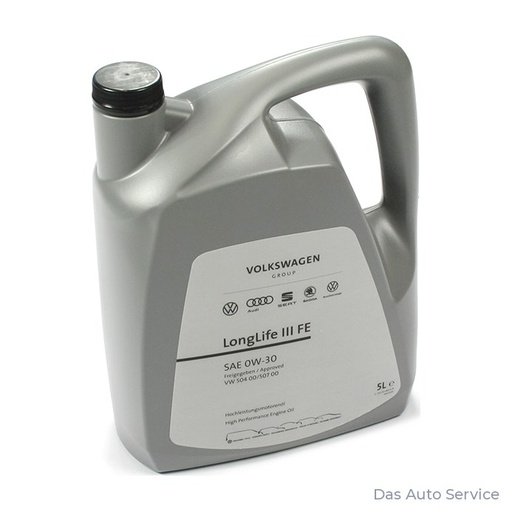
Genuine Longlife III FE 0W30 oil 5L
LongLife III engine oil for servicing your engine. Even with LongLife oil, I recommend changing it every 10,000 km or once a year.
View in shop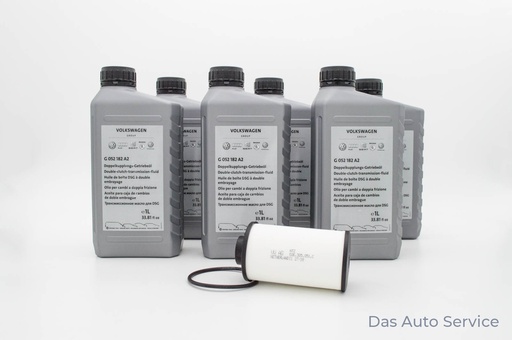
Genuine service kit for the 6-speed DSG DQ250, including oil, filter and seals. Everything needed for a proper gearbox oil change.
View in shop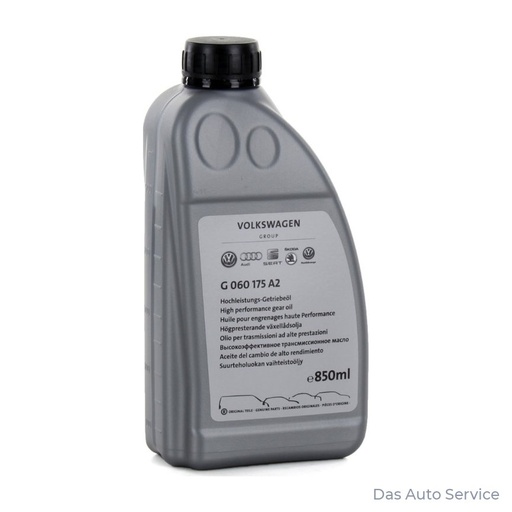
Genuine Haldex oil G060175A2 850ml
Genuine Haldex 5 oil for the Golf R. For servicing the rear-drive coupling every 30,000 km.
View in shopRead more
- Pre-purchase inspection
- DSG and S tronic gearbox repair
- VW Golf 7 GTI 2.0 TSI Service Schedule
- 2.0 TSI Water Pump Leak: EA888 Gen3 Problems
- Haldex Service Intervals: Generations 1 to 5
Frequently asked questions
Golf 7 GTI or Golf 7 R – which should I buy?
The GTI is front-wheel drive, while the R has 4MOTION with Haldex and more power. Personally, I'd choose whichever has the better service history and is in better mechanical condition, regardless of which model it is.
How often should I change the Haldex oil on a Golf R?
Every 30,000 km, together with the rear differential oil. Don't skip this service because you could end up with rear-wheel drive that no longer works.
Does remapping damage a Golf 7 GTI?
A remap isn't automatically a death sentence for the engine, but the extra power puts more strain on the DSG gearbox and clutches. Only buy one if you know exactly what software has been installed and there's a proper service history.
How often should I change the DSG oil on a Golf 7 GTI?
Every 60,000 km using genuine oil, whether it's the DQ250 or DQ381 gearbox. We always carry out a gearbox adaptation after the oil change.