The Passat B5.5 – the car that refuses to retire! I bet you know at least one person who's still driving one and has absolutely no intention of replacing it. And I can understand why. There are still thousands of these cars on our roads, but they're now over 20 years old, and problems are starting to appear that have nothing to do with how well built they were when they left the factory. If you're looking into VW Passat B5 common problems, I'll explain what tends to go wrong these days, what you should check and how a car that looks beautifully kept can end up costing you a fortune.
What's the difference between the Passat B5 and B5.5?
The VW Passat B5 was built from 1996 to 2000, while the B5.5 was the facelifted version, introduced in 2000 and produced until 2005. Both came as a saloon or estate, with front-wheel drive or 4Motion. You'll often hear people call both versions a "Passat B5", whether they're talking about the original or the facelift. But when you're ordering parts or servicing the car, that difference matters. The most important thing, though, is something else entirely. These days, you're not just buying a particular model. You're buying an individual car, along with everything that's happened to it over the years.
What are the most common VW Passat B5 problems?
Why does the front suspension keep knocking?
"Kris, there's something knocking at the front, but only when I drive over cobblestones." I've heard that one plenty of times. The Passat B5 has multi-link front suspension, with several control arms, bushes and ball joints all working together to keep the car stable and comfortable. As these parts wear out, you start hearing knocks and rattles, and the car doesn't feel quite right over bumps. But don't rush into replacing everything without knowing what's actually wrong. I've explained why suspension arms start knocking and why a proper inspection is far more useful than guessing.
What tends to go wrong with the engines?
With the 1.9 TDI, the first thing you need to know is exactly which engine version you've got and how it's been maintained. Pay particular attention to the Pumpe-Düse versions, or PD engines, as we call them at the workshop. These use a system where each injector generates its own high fuel injection pressure. There are a few things about these engines that you really shouldn't ignore. I've covered them in my article about the 1.9 and 2.0 TDI Pumpe-Düse engines.
With the 2.5 TDI V6, you need to pay close attention to the camshafts and hydraulic tappets. These are the parts responsible for opening the engine's valves. If they're worn, clearing fault codes won't fix anything, and neither will hoping that the rattling noise disappears on its own. On the petrol engines, oil leaks are another thing to look for, including leaks from the rocker cover. An engine covered in oil doesn't automatically mean disaster, but you need to find out where that oil is coming from before deciding what to do next.
What should I know about 4Motion?
If you've got a Passat B5 with 4Motion, there are extra drivetrain components that need looking after. The system uses Torsen, a mechanical differential that distributes torque between the front and rear wheels. Sounds complicated, but the idea is simple: the engine drives both axles. The catch is that you've now got more mechanical components and more places where oil needs attention. Have a read about servicing the Torsen differential and transfer case, because having 4Motion doesn't mean you can forget about maintaining the drivetrain.
Why do the electrics start playing up?
On these Passats, age is really starting to show in the electrical systems too. The instrument cluster starts losing pixels, and suddenly half the information on the display becomes a mystery. The heater blower might only work at one speed, while broken wires inside the doors can cause all sorts of problems with the electrical functions. None of this automatically means the car is ready for the scrapyard. But if several things have stopped working at once, don't dismiss them as little jobs you'll get round to fixing one day.
Isn't the body galvanised? So where does the rust come from?
Yes, the Passat B5 has a galvanised body, and that's one of the good things about this model. But galvanising doesn't stop time. The underside of the car still ages, brake pipes corrode, and the fuel tank deserves attention too. The worst part is that you won't necessarily spot any of these problems when the car has been washed and looks fantastic from the outside. That's why I always want to see what's happening underneath before I get impressed by shiny paintwork.
What should I check before buying a Passat B5?
If you've found a Passat you really like, don't start by asking how well it drives. First, you need to find out what condition the whole car is in. A lovely engine won't do you much good if the underside is rotten or the brake pipes are dangerous. Here's what I'd check before handing over any money.
- Take the car for a drive on a rough road. Listen for knocks and rattles from the front suspension rather than relying on a quick test drive over smooth tarmac.
- Check the engine from a cold start. Listen to how it runs, watch for smoke and don't assume every unusual noise or bit of behaviour is normal just because the car is old.
- Get the car up on a lift and inspect the underside. Pay particular attention to corrosion, brake pipes and the condition of the components underneath.
- Test every electrical function. Check the instrument cluster, heater blower and electrical equipment in the doors. Don't leave these checks until after you've bought the car.
How do you service a Passat B5 to keep it running?
My rule for engine oil is simple. If you're driving in Bulgaria, change the engine oil and all four filters – oil, fuel, air and cabin – every 10,000 km or once a year, whichever comes first. Always use oil that meets the correct VW specification for your engine. This applies regardless of which oil you use or what the LongLife service schedule says. Those long factory service intervals also take environmental requirements into account, but I'd rather protect your engine than squeeze every last kilometre out of the oil.
- Replace the timing belt kit according to the requirements for your particular engine. Ask for documentation proving the work has been done, not just someone's word that everything has been replaced.
- The Tiptronic gearbox should be serviced as prescribed by the manufacturer and, at our workshop, according to the condition of the individual gearbox following inspection. We always carry out an adaptation after servicing.
- On 4Motion models, service the differentials together with the gearbox. Don't forget about the oils throughout the drivetrain.
- Change the brake fluid every 2 years and the coolant every third heating season.
- Have the car inspected every 6 months. On a car this old, catching a problem early makes an enormous difference.
WARNING! On a Passat B5, the brake pipes and hoses are now over 20 years old. Checking them isn't optional. We're talking about your brakes here, not some annoying little rattle.
Is a Passat B5 still worth buying after all these years?
I still think the Passat B5 can be a good car. But only if it's been properly maintained and continues to receive the attention it needs. I don't care how legendary the 1.9 TDI is if nobody has bothered checking the suspension, brakes or underside. An old car isn't necessarily a bad car. The real problem is when someone tells you everything is fine without even looking underneath to see what's actually going on.
Tip from Kris Mladenov: Buying a Passat B5? Look underneath the car first. We can talk about the engine afterwards. Ask for proof of its service history and never skip the brake inspection. No matter how much you like the car, don't let your emotions make the decision for you.
I hope you've found this article useful! If you have, I'd really appreciate you sharing it with a friend who owns a Passat B5 or is thinking about buying one. My mission is simple: when I know something useful, I want more people to know it too. Because I'd much rather help you avoid a problem today than see you paying to fix it out of your own pocket tomorrow.
The solution in our shop
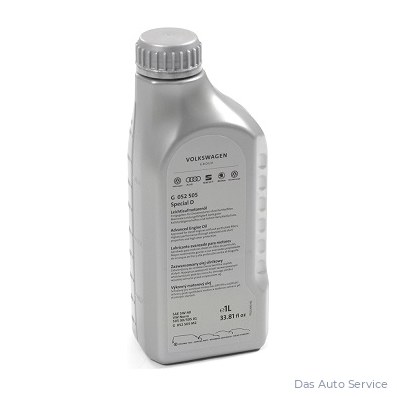
Genuine SpecialD 5W40 Volkswagen diesel oil 1L
Genuine SpecialD 5W40 engine oil, meeting VW 505 01, is intended for suitable TDI engines. The important thing is to check the exact oil specification required by your engine.
View in shop
Genuine Longlife III FE 0W30 oil 5L
Genuine LongLife III engine oil, meeting VW 504 00, is suitable for petrol engines that require this specification. Just because it's called LongLife doesn't mean you should extend your oil change intervals.
View in shopRead more
- Pre-purchase inspection
- Diagnostics
- Audi A4 Suspension Knocking: Worn Control Arms
- Audi quattro Torsen differential oil change
- 1.9 TDI PD Common Problems and Weak Points
- Valve Cover Oil Leak: Causes and Repairs
Frequently asked questions
What are the most common problems with the Passat B5.5?
The main trouble spots are the front suspension, oil leaks, engine wear, electrical faults and corrosion underneath the car. Checking the brake pipes is particularly important.
Is a Passat B5 still worth buying today?
Yes, provided it's been properly maintained and is in good condition. Its actual service history matters far more than how nice it looks on the outside.
Which engine is best for the Passat B5?
I wouldn't choose an engine just because of its reputation. With the 1.9 TDI, check the exact engine version and maintenance history. With the 2.5 TDI V6, pay particular attention to the camshafts and hydraulic tappets.
What should I check first when buying a Passat B5?
Start by inspecting the underside, looking for corrosion and checking the brake pipes. Then move on to the engine, suspension and all the electrical functions.