If you're searching for a VW Tiguan 2.0 TDI review or wondering whether the Tiguan 2.0 TDI 4MOTION is worth buying, you're probably trying to work out if this SUV is right for you. In Bulgaria, the VW Tiguan is one of the SUVs most commonly bought with a diesel engine and four-wheel drive. The first generation (5N, 2007–2016) uses the 2.0 TDI EA189 engine, while the second (AD1, from 2016) comes with the EA288. Both have their advantages, but there are a few things I always check before recommending one. Because the 4MOTION badge looks great, but it doesn't actually drive the rear wheels on its own.
Who is the Tiguan 2.0 TDI right for?
If you've got a family, enjoy trips to the mountains, regularly drive on roads full of potholes or need to tow a trailer, the Tiguan 2.0 TDI makes a lot of sense. You get a practical diesel SUV with the option of four-wheel drive. In winter, 4MOTION gives you extra confidence, especially when road conditions get difficult. But there's one thing many owners overlook: the system needs servicing. Otherwise, you could be driving a car with a 4MOTION badge that's actually running on front-wheel drive only.
What engines and gearboxes does the Tiguan 2.0 TDI have?
Volkswagen used different versions of its 2.0-litre diesel engine across the two generations. It's important to know which engine you're looking at because the problems and equipment aren't the same. The same goes for the four-wheel-drive system. Here are the main versions you'll come across.
- Tiguan 1 (5N, 2007–2016) – 2.0 TDI common rail EA189 with 140, 170 or 177 bhp.
- Tiguan 2 (AD1, from 2016) – 2.0 TDI EA288 with 150 or 190 bhp, plus the 240 bhp BiTDI.
- Gearboxes – manual or automatic DSG, depending on the version.
- 4MOTION – four-wheel-drive system with fourth-generation Haldex on the Tiguan 1 and fifth-generation Haldex on the Tiguan 2.
The difference between Haldex generations is particularly important when it comes to servicing. Don't just look at the engine power or whether the gearbox is automatic. Ask how the four-wheel-drive system has been maintained. That's often where the difference lies between a good buy and an unpleasant surprise.
VW Tiguan 2.0 TDI review: what problems do we see?
Haldex – when 4MOTION is just a badge
One of the most common problems involves the Haldex pump and oil that nobody has bothered to change. The car carries on driving normally using its front wheels, and the owner might never realise the rear wheels aren't doing anything. Then the first snow arrives, and everyone starts wondering why 4MOTION isn't helping. The answer is often simple: the system hasn't been serviced. If you want to know more, read how Haldex works and when it needs servicing.
EGR and DPF – what happens with city driving?
On the Tiguan 2.0 TDI, regular city driving can lead to carbon building up in the EGR system and the DPF becoming clogged. These are two systems I always check when diagnosing a used diesel. On the EA288 engine, I also pay attention to the EGR cooler. Just because the engine starts and idles smoothly doesn't mean everything is fine. You need to see what the diagnostics are telling you.
AdBlue – why does the Tiguan 2 count down to a no-start?
On the Tiguan 2, you also need to pay attention to the AdBlue system. Components that can cause trouble include the heater, pump and NOx sensors. When the system detects certain faults, the dashboard may start counting down the remaining kilometres until the engine can no longer be started. That's not a warning I'd advise you to ignore. Proper diagnostics are essential here.
DSG and oil pump – what should I watch for on the Tiguan 1?
The automatic DSG gearbox needs regular servicing with the correct oil. If the gearbox jerks or hesitates, don't simply accept someone telling you that all DSG gearboxes behave like that. Check its condition, adaptations and how it behaves on a test drive. On Tiguan 1 versions fitted with balance shafts, there's another important thing to consider: the oil pump drive. That also needs to be taken into account when assessing the car.
What should I check before buying a Tiguan 2.0 TDI?
When you're buying a used Tiguan, don't rely on its appearance, mileage or the seller's promises. I want to see the actual condition of the main systems, especially if the car has 4MOTION and DSG. Here's what I'd definitely check.
- Does the rear-wheel drive actually work? Check the Haldex system using a diagnostic tester.
- When were the Haldex and rear differential oils last changed?
- What do the diagnostics show for the EGR, DPF and AdBlue, if the car is equipped with that system?
- How does the DSG behave? Check the adaptations and take the car for a test drive.
I recommend booking a pre-purchase inspectionbefore handing over your money. That way, you'll know what you're buying instead of relying on promises. A car can look fantastic while its rear-wheel drive isn't working at all. And that's exactly what I want you to avoid.
How should I service my Tiguan 2.0 TDI?
Good maintenance makes all the difference with this car. Don't wait for the Check Engine warning light to come on, the glow plug warning light to start flashing or something to stop working properly. At Das Auto Service, we follow specific service intervals suited to driving conditions in Bulgaria. We stick to them regardless of any promises about extended service intervals.
- Engine oil and filters – every 10,000 km or once a year, whichever comes first, regardless of the oil used or LongLife servicing.
- Haldex and rear differential – every 60,000 km on the Tiguan 1 with fourth-generation Haldex, and every 30,000 km on the Tiguan 2 with fifth-generation Haldex.
- DSG – change the gearbox oil every 60,000 km using genuine oil. We always carry out an adaptation after servicing.
- Brake fluid – every 2 years.
- Coolant – every third heating season.
- Preventative workshop inspection – every 6 months.
If you want to follow the exact service schedule for your car, take a look at the Tiguan 1 2.0 TDI service schedule or the Tiguan 2 2.0 TDI service schedule. Looking after your car properly makes far more sense than waiting for something to break.
IMPORTANT! Just because your Tiguan has a 4MOTION badge doesn't mean its rear-wheel drive actually works. Have the Haldex system checked with a diagnostic tester before paying for the car.
What's my verdict on the Tiguan 2.0 TDI?
I think the Tiguan 2.0 TDI is a good family car, especially if you're looking for a diesel SUV with four-wheel drive. But I'd only recommend buying one after checking the Haldex system, getting a clean diagnostic report and reviewing its service history. If I were choosing between a Tiguan 1 and a Tiguan 2, I wouldn't base my decision on the generation or engine power alone. How well that particular car has been maintained matters much more. Because a good Tiguan is one where everything actually works, not one where the equipment just looks impressive on paper.
Tip from Kris Mladenov: Whenever I'm looking at a VAG car with four-wheel drive, the first thing I ask is when the Haldex oil was last changed. Most sellers don't even know there's oil in the system that needs servicing. If there's no clear service history, insist on having the system checked before buying the car.
I hope you've found this article useful! If you have, I'd be glad if you shared it with a friend who drives a Tiguan or is thinking of buying one. My mission is simple: when I know something, I want more people to know it too. That way, we can all make better decisions about our cars.
The solution in our shop

Genuine Longlife III FE 0W30 oil 5L
LongLife III oil is designed for engine servicing. For cars driven in Bulgaria, I change it together with the filters every 10,000 km or once a year.
View in shop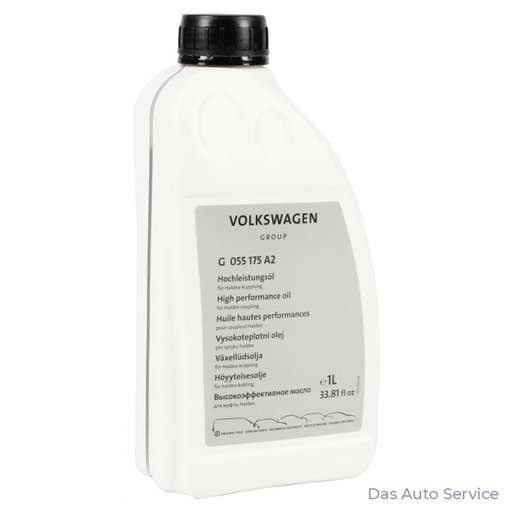
Genuine Haldex oil G055175A2 1L
Genuine Haldex oil for systems up to fourth generation, suitable for servicing the Tiguan 1.
View in shop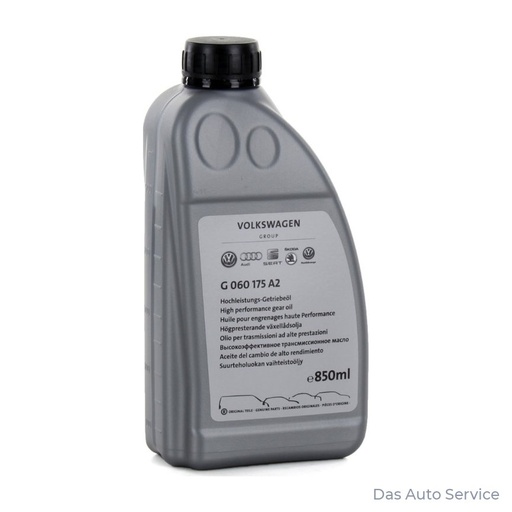
Genuine Haldex oil G060175A2 850ml
Genuine fifth-generation Haldex oil, designed for the system fitted to the Tiguan 2.
View in shopRead more
- Pre-purchase inspection
- Diagnostics
- VW Tiguan 1 2.0 TDI Service Schedule
- VW Tiguan 2 2.0 TDI Service Schedule
- Haldex Service Intervals: Generations 1 to 5
Frequently asked questions
Should I choose a Tiguan 1 or Tiguan 2 2.0 TDI?
The Tiguan 1 has the EA189 engine, while the Tiguan 2 uses the EA288. Both can be good choices, but I'd go for the car with a proven service history, a working Haldex system and a clean diagnostic report.
When should I change the Haldex oil on a Tiguan?
Every 60,000 km on the Tiguan 1 with fourth-generation Haldex, and every 30,000 km on the Tiguan 2 with fifth-generation Haldex. The rear differential also needs servicing.
What are the main problems with the Tiguan 2.0 TDI 4MOTION?
I check the Haldex pump and service history, EGR, DPF and DSG. On the Tiguan 2, I also pay attention to the AdBlue system, while on certain Tiguan 1 versions, I check the oil pump drive.