Every autumn, I tell my customers the same thing: my friend, winter doesn't catch us by surprise. We just leave everything until the last minute. The first snow falls, tyre shops are packed, garages have no appointments left, and breakdown recovery services can't keep up. And do you know what frustrates me most? Most of these headaches could have been avoided with a one-hour check in October. So let me walk you through the winter car preparation checklist we use at Das Auto Service.
Are your tyres ready for winter?
In Bulgaria, from 15 November to 1 March, the law requires winter tyres or tyres with at least 4 mm of tread. But your tyres don't follow a calendar. Once morning temperatures drop below 7°C, it's time to fit your winter tyres. Check the tread depth, how old the tyres are and whether the sidewalls have started cracking. If you're wondering exactly when to make the switch, I've explained it all in my article about winter tyres.
Will your antifreeze cope with the cold?
Just seeing antifreeze in the expansion tank isn't enough. What matters is how low the temperature can drop before your engine is at risk. You check that with a refractometer, not by looking at the colour. Change the antifreeze every third heating season because it loses its protective properties over time and can start causing tiny pits in the aluminium engine block. Believe me, that's not something you want to discover in January. I've explained the different types in my article about antifreeze.
Will your battery start the engine on a freezing morning?
Your battery might seem perfectly healthy all summer, then suddenly struggle to start the engine on the first really cold morning. That's because cold weather reduces its capacity just when your car needs it most. If your battery is more than five years old or the Start/Stop system has stopped working, get it checked now. Don't wait until you're stranded in a car park wondering what to do next. I've explained more in my article about car batteries.
Drive a diesel? Check these two things.
The glow plugs and the fuel filter. They sound like small things until one morning, at minus ten, your TDI refuses to start. If everything checks out, brilliant. You've got nothing to worry about. But if you haven't had them checked for a while, do it before the freezing weather arrives. There's no point waiting for trouble. I've covered both in detail in my articles about glow plugs and diesel engines in cold weather.
Can you see clearly through your windscreen?
- Fill up with winter screenwash. Not water. Water freezes, and just when you need your washers most, you won't be able to use them.
- If your wiper blades leave streaks across the windscreen, replace them. Good visibility matters even more in winter.
- Check that all your lights work and that your headlights are correctly adjusted. You need to see the road without dazzling oncoming drivers.
- Keep an ice scraper and de-icer spray in the car. Trust me, you'll need them at exactly the moment you least feel like dealing with a frozen windscreen.
And what's happening underneath your floor mats?
Every time you get into your car in winter, you bring salt, snow and water into the cabin. That's why I recommend rubber floor mats. It's simple: we want the water and salt to stay in the mats, not soak into the carpet underneath. If you're wondering which mats will do a better job, have a look at my article about floor mats.
When did you last check your brakes?
On a wet, salt-covered road, the last thing you need is to discover that your brakes aren't working properly. So before winter arrives, check the condition of your brake discs, pads and brake fluid. This is one check I'd never leave until after the first snowfall.
Heading to the mountains this winter?
- Get snow chains that fit your exact tyre size. Don't assume any set of chains will fit.
- Practise fitting the chains at home first. You really don't want to learn how to put them on while standing at the roadside in freezing weather.
- Set off with a full tank of fuel and a charged phone. Especially if you're heading into the mountains.
Don't wait for the first snow to start preparing your car for winter. By then, everyone's rushing, garages are fully booked, and that rush is exactly when mistakes happen. And guess who ends up paying for them? You, out of your own pocket.
Advice from Kris Mladenov: One hour in October could save you hours of hassle in January. If you want peace of mind about your car, come to Das Auto Service for an autumn inspection. We'll go through the whole checklist in one visit.
I hope you have a peaceful winter, with no nasty surprises on the road. If this article has helped you, share it with your friends. You might save them quite a few headaches too.
The solution in our shop
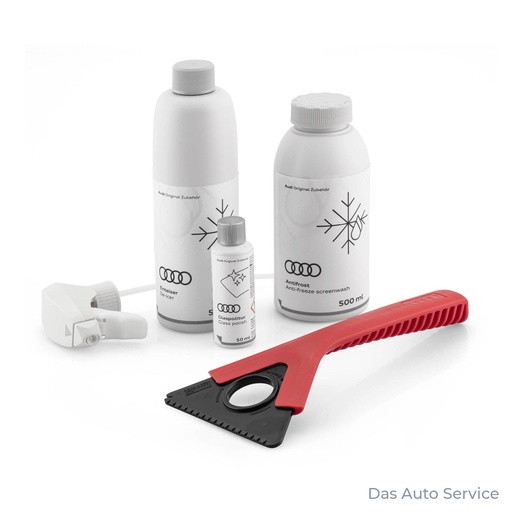
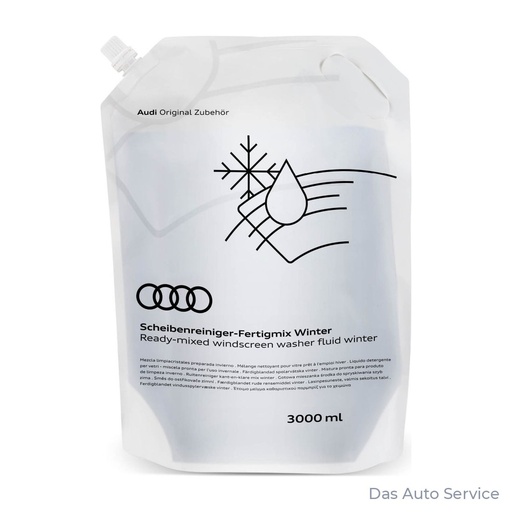
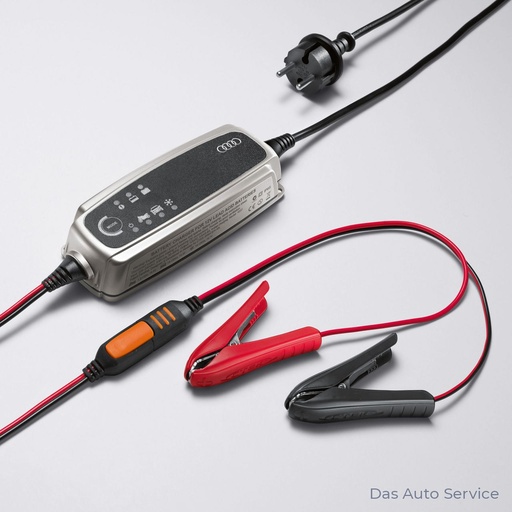
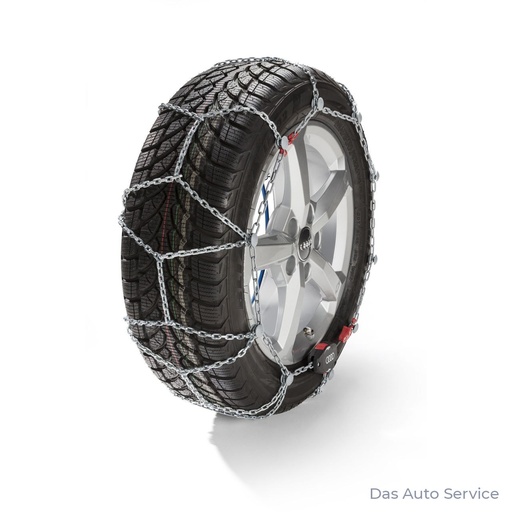
Audi comfort snow chains for tyre sizes 225/50 R17, 225/45 R18, 215/55 R17, 205/55 R17
Audi comfort snow chains for the most common tyre sizes.
View in our shop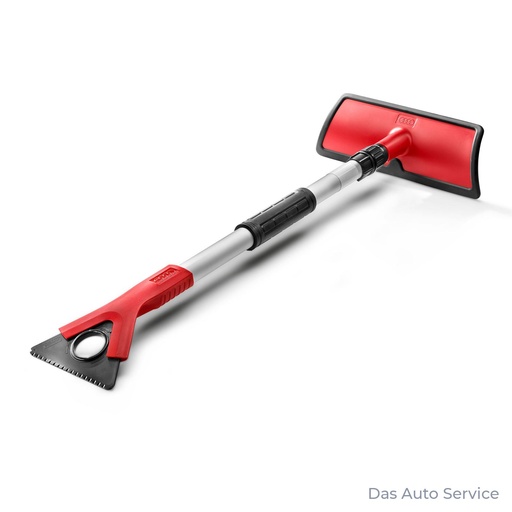
Audi ice scraper with snow brush and telescopic handle
Audi ice scraper with snow brush and telescopic handle.
View in our shopRead more
- Routine servicing at Das Auto Service
- Everything you need for winter in our shop
- When should I fit winter tyres and how should I store my summer tyres?
- Antifreeze G12, G12++, G13 and G12evo: can I mix them?
- Why does Start/Stop stop working in winter, and why does a new battery need coding?
- TDI hard to start when cold: glow plugs and what to check
- Rubber or carpet floor mats: which protect better against salt and water?
Frequently asked questions
What should I check on my car before winter?
Start with your tyres, antifreeze and battery. If you drive a diesel, check the glow plugs and fuel filter too. Don't forget the wiper blades, winter screenwash, lights, brakes and floor mats. That's exactly the checklist we follow at Das Auto Service.
When is the best time to prepare my car for winter?
October. Before the snow, freezing temperatures and queues at the garages arrive. Why wait for something to go wrong when you can have it checked in good time?
How often should I change the antifreeze?
Every third heating season. And every autumn, have its frost protection checked with a refractometer. That way, you'll know your car is ready for winter instead of just hoping for the best.