"I'm topping up a litre of oil every 1,000 km, but the car isn't smoking or leaking." I hear this regularly at the workshop, and I understand why people are puzzled. There are no oil stains under the car, no blue smoke from the exhaust, the engine runs normally, yet the oil level keeps dropping. So where does it go? The truth is, oil doesn't just disappear. If the level is falling, it's either leaking somewhere or getting into parts of the engine where it shouldn't be and burning. And no, just because there's no visible smoke doesn't mean everything is fine.
How Much Oil Consumption Is Normal?
First, I want to make something clear. Every engine uses a certain amount of oil, even when it's in perfect working order. Some oil remains on the cylinder walls and burns while the engine is running. That's normal. But there's a huge difference between a tiny amount you barely notice and constantly topping up to stop the oil warning light coming on.
At Das Auto Service, I recommend changing the engine oil and all filters every 10,000 km or once a year, whichever comes first. That means the oil filter, fuel filter, air filter and cabin filter. This applies to cars driven in Bulgaria, even if you're using LongLife oil. If you're regularly topping up between these oil changes, we need to find out why. I'm not saying every millilitre you add means something is broken. I'm saying that ongoing oil consumption deserves a proper check, not just acceptance.
Where Does the Oil Go If Your Car Is Burning Oil but Not Smoking?
There are several ways oil can end up where it doesn't belong. What's interesting is that completely different faults can cause exactly the same symptom: the oil level drops, but you can't see anything unusual. That's why I'm not a fan of diagnosing cars over the phone with comments like, "It's the piston rings. Time to strip the engine." First, we check. Then we repair.
Piston Rings and Pistons
Picture a piston moving up and down inside a cylinder. Around it are metal rings called piston rings, which help keep the oil where it belongs. When they stop doing their job properly, some oil gets into the combustion chamber and burns along with the fuel. And this can happen without any obvious blue smoke coming from the exhaust.
This is a well-known problem on certain 1.8 and 2.0 TSI/TFSI engines. Oil consumption can become serious, while the owner keeps topping up because the car otherwise drives perfectly normally. But! We can't blame the piston rings just because the engine is using oil. I've covered this problem in detail in my article about high oil consumption on 1.8 and 2.0 TSI/TFSI engines.
Crankcase Ventilation
This is one of the causes that often gets overlooked. The crankcase ventilation system routes gases from inside the engine back into the intake. It contains a diaphragm that helps control this process. When that diaphragm fails, the engine can start drawing oil in along with the air. The result? The oil level drops, but there's no external leak.
The good news is that this doesn't necessarily mean worn pistons or piston rings. The problem could be in the crankcase ventilation system itself. On the 2.0 TFSI, there are also some typical cases involving a whistling noise, which I've explained in 2.0 TFSI using oil and making a whistling noise. That's why we check this system before considering major engine repairs. There's no point stripping an engine if the problem is somewhere else.
The Turbocharger
The turbocharger can also be responsible. Its shaft is lubricated by engine oil, and the seals are supposed to limit how much oil can pass into the air side of the turbo. When those seals start letting oil through, it can enter the air flowing into the engine and collect in the intercooler. That's the part that cools the air after it leaves the turbo. From there, some of the oil can make its way into the engine and burn.
But finding oil in the intercooler doesn't automatically mean the turbo is faulty. The oil could also be coming from the crankcase ventilation system. That's why we check both rather than replacing the turbo on a guess. If you want to understand the difference, read oil in the intercooler – turbocharger or crankcase ventilation.
Valve Stem Seals
There's another way oil can get into the cylinders: through the valve stem seals. These are small seals around the valve stems. When they wear out, oil can seep past the valves and reach the combustion chamber. A typical sign is a puff of blue smoke when you start the engine after it's been parked for a while.
That smoke might only last a moment, so you could easily miss it, especially if nobody is watching the exhaust when you start the car. That's why I ask not only how much oil you're topping up, but also when the symptoms appear. The way an engine behaves can tell us much more than guesswork. But we still need to carry out proper checks before making a final diagnosis.
How Do We Find Out Where the Oil Is Going?
At our workshop, diagnosis starts with measurements, not ordering parts. First, we need to establish how much oil the engine is actually using. Then we check the possible causes. Different faults need different repairs. It sounds simple, but following this order is exactly what prevents unnecessary engine dismantling.
- We carry out a controlled oil consumption test. We measure how much oil the engine uses over a set distance instead of relying on rough estimates from memory.
- We check cylinder compression and carry out a leak-down test to see how well the cylinders hold pressure. If necessary, we use an endoscope, a small camera that lets us inspect the inside of the cylinders.
- We check the crankcase ventilation system and the turbocharger. We look for ways oil could be entering the intake and check for traces of oil in the intercooler.
Only once we've collected the results can we identify the likely cause and decide what needs repairing. Not every engine that uses oil needs a complete rebuild. And not every engine that runs without visible smoke is healthy. Those are two very different things.
IMPORTANT! An engine that burns oil puts extra strain on the catalytic converter and DPF because the burnt oil passes through the exhaust system. It's not just about the money you're spending on top-ups. If you keep driving without knowing what's causing the problem, you could end up with other issues too.
Tip from Kris Mladenov: Keep a record of the date, mileage and exact amount of oil you add each time. Don't rely on "I think it was about half a litre last month." These notes are extremely useful when we're diagnosing the problem because they show the actual oil consumption. And when we have accurate figures, finding the cause becomes much easier.
I hope you've found this article useful! If you have, I'd appreciate it if you shared it with someone who's constantly topping up their oil and wondering where it's going. My mission has always been simple: when I know something, I want more people to know it too. Because an informed owner makes better decisions about their car.
The solution in our shop
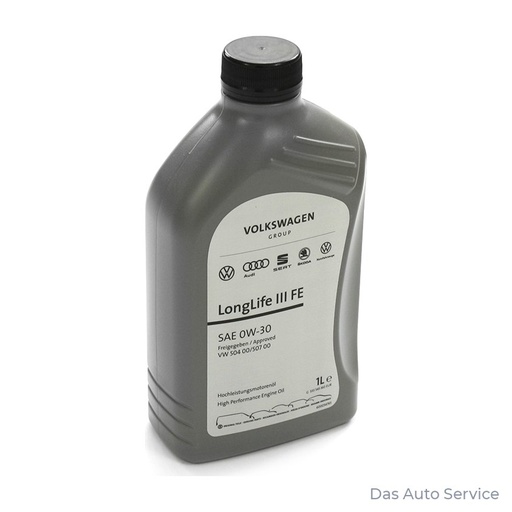
Genuine Longlife III FE 0W30 oil
Genuine LongLife III engine oil in a 1-litre bottle. Handy for topping up when you need to maintain the correct oil level between services. But topping up is no substitute for proper diagnosis if your engine is using excessive oil.
View in shop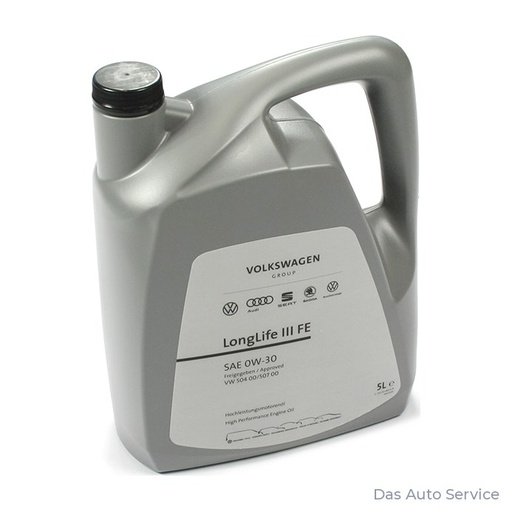
Genuine Longlife III FE 0W30 oil 5L
Genuine LongLife III engine oil in a 5-litre container. Suitable for servicing when it meets the requirements of your specific engine.
View in shopRead more
- Diagnostics
- Engine overhauls
- 1.8 and 2.0 TSI/TFSI Oil Consumption Problems
- 2.0 TFSI PCV Valve Symptoms: Whistling and Oil Use
- Oil in TDI Intercooler: Turbo or Breather?
Frequently asked questions
Where does the oil go if my car isn't smoking or leaking?
Oil can get past the piston rings, through the crankcase ventilation system, the turbocharger or the valve stem seals, and then burn inside the engine. The absence of visible smoke doesn't rule out oil consumption.
How much oil consumption is normal for a car?
Even a healthy engine uses a small amount of oil. But if you're constantly topping up between oil changes every 10,000 km, I recommend measuring the actual consumption and finding out what's causing it.
Are the piston rings responsible when an engine burns oil?
They could be, particularly on certain 1.8 and 2.0 TSI/TFSI engines, but not necessarily. The crankcase ventilation system, turbocharger and valve stem seals can also cause oil consumption.
Can I just keep topping up the oil and carry on driving?
Topping up maintains the oil level, but it doesn't fix the underlying problem. Burning oil also puts extra strain on the catalytic converter and DPF, which is why I recommend getting the engine properly diagnosed.