If you've searched Google for "1.4 TSI 160 reviews", you've probably read all sorts of stories by now. One owner says it's a brilliant engine, another tells you how the timing chain failed, and someone else has ended up with a broken piston. And they're all talking about the same little engine that pulls like something much bigger. That's the 1.4 TSI Twincharger, an engine with both a supercharger and a turbocharger. It can be great fun to drive, but it can also give you some serious headaches. I'm Kris Mladenov, and I'll explain which versions are out there, where their weak points are and how to look after this engine so you don't end up paying for problems you could have avoided.
What exactly is Twincharger, and why does it have a supercharger and a turbo?
Imagine a small engine that needs to pull well from low revs but still have plenty of power when you put your foot down. A conventional turbocharger takes a little time to build up boost pressure, so the engineers decided to give it some help with a mechanical supercharger. That's how the Twincharger from the EA111 engine family came about. Two chargers working on one engine, each with its own job.
At low revs, the supercharger helps the engine respond immediately when you press the accelerator. It's engaged by an electromagnetic clutch that controls when the supercharger operates. At higher revs, the turbocharger takes over most of the work. The result is a small engine with lovely pulling power across a wide rev range. But here's the catch! More technology means more things you need to look after.
- Twincharger was produced from approximately 2005 to 2015.
- The engine belongs to the EA111 family and uses a timing chain.
- It uses a mechanical supercharger at low revs and a turbocharger at higher revs.
Which 1.4 TSI Twincharger versions are there, and how do I identify mine?
This is where things get confusing on the forums. One person says their 1.4 TSI has never given them any trouble, while another says theirs is constantly breaking down. But the thing is, not every 1.4 TSI is the same engine. Twincharger came in several versions with different power outputs and engine codes. So before you start comparing other owners' experiences, you need to know exactly what's under your bonnet.
- BMY – 140 hp. Found in the VW Golf 5 and Touran.
- BLG – 170 hp. The version fitted to the VW Golf 5 GT.
- CAVD and CTHD – 160 hp. Found in the VW Golf 6 and Scirocco.
- CAVE – 180 hp. Found in the Polo GTI, Škoda Fabia RS and SEAT Ibiza.
- VW Tiguan – 150 hp version.
How do you find out which one you've got? Look for the engine code on the sticker in the boot or in your service book. We can also identify it through diagnostics. Don't rely on the TSI badge on the back or what the previous owner told you. The engine code is where we start when we're talking about problems, parts and servicing.
What are the technical specifications of the 1.4 TSI Twincharger?
On paper, this engine looks like a very clever idea. Small capacity, direct fuel injection and two chargers helping it produce the sort of power you wouldn't expect from a 1.4-litre engine. Direct injection means the fuel is sprayed straight into the cylinder. Sounds great, until it's time to maintain all those systems. That's why I want you to understand exactly what you're driving.
- Engine capacity – 1,390 cc.
- Fuel system – direct injection.
- Forced induction – mechanical supercharger and turbocharger.
- Timing system – a chain that drives the camshafts.
- Gearboxes – manual, DSG DQ200 with a dry clutch, and DQ250 on some earlier versions.
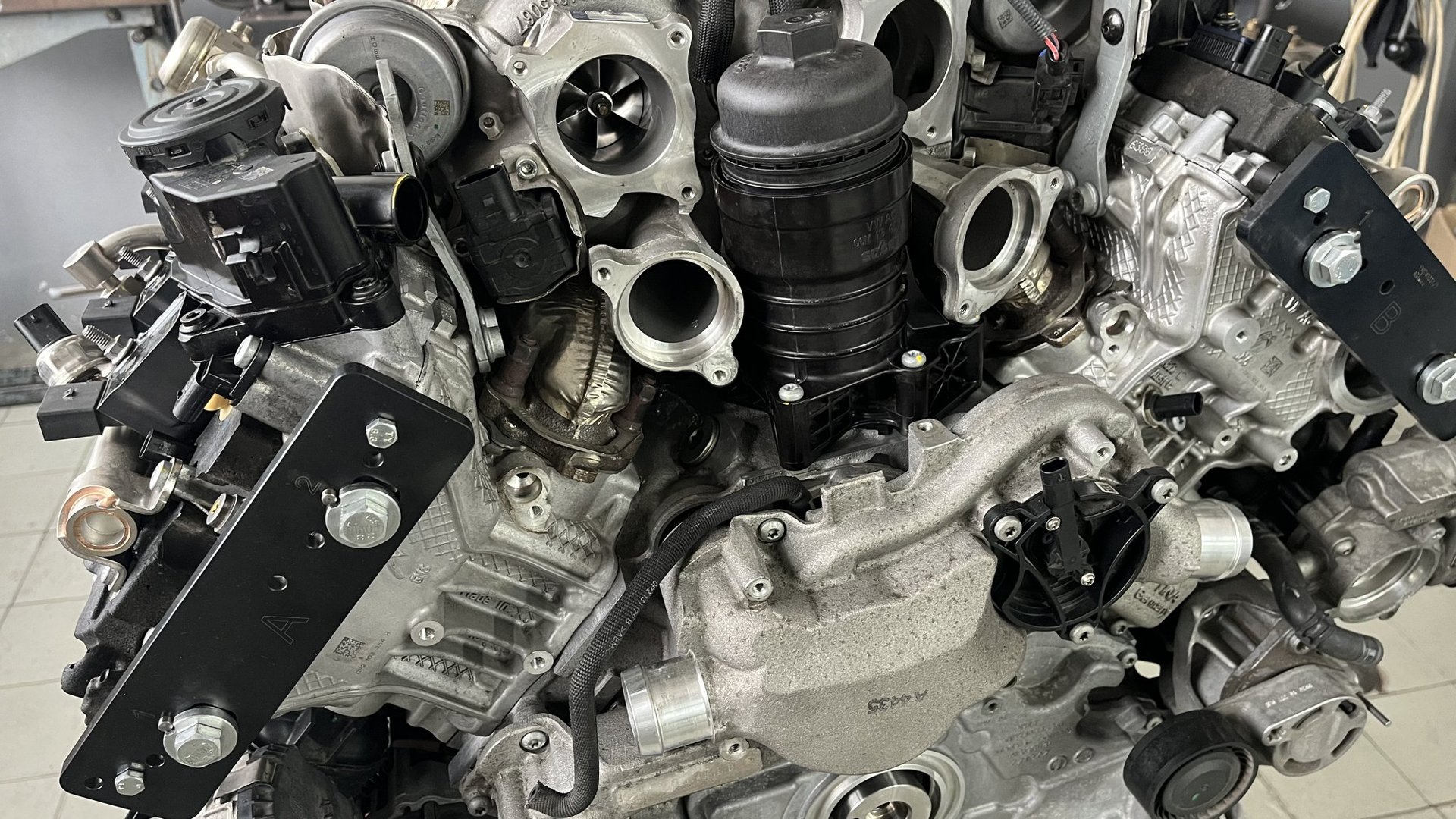
What are the most common 1.4 TSI Twincharger problems?
This is where I really want you to pay attention. Not every Twincharger will develop all the problems I'm about to describe. But if you recognise the symptoms, you can act in time instead of waiting for the engine to give up. And when we're talking about an engine with a supercharger, a turbocharger and a timing chain, waiting is rarely a good idea. Especially if you don't know how the car was looked after before you bought it.
Why does the timing chain rattle on a cold start?
One of the best-known problems with the EA111 is the timing chain and its tensioner. The tensioner is the part that keeps the chain tight so the engine can run properly. When it starts to fail, the first warning is often a distinctive rattling noise on a cold start. In the worst case, the chain can jump a tooth, and then we're talking about something much more serious than a bit of noise. I've explained the problem in detail in my guide to timing chain problems on the 1.2 and 1.4 TSI EA111.
Why do the pistons fail?
Twincharger is a small engine that's expected to do a lot. Especially when an owner decides the factory power isn't enough and has it remapped. Add fuel that doesn't meet the engine's requirements, and the risk of detonation goes up. Detonation is when the fuel burns in the wrong way, creating damaging pressure shocks against the pistons. On the early engine codes, this can end with a damaged piston. And suddenly, those extra horses don't seem quite so much fun.
How can I tell if the supercharger clutch is faulty?
Remember how I said the supercharger is engaged by an electromagnetic clutch? Well, that's another part that can cause trouble. If you notice an unusual noise or the engine doesn't pull as strongly as it used to at low revs, we need to check whether the supercharger is working properly. That doesn't automatically mean the clutch is faulty. It means we've got a symptom to investigate before we start replacing parts and hoping for the best.
Why does carbon build up on the valves?
With direct injection, the fuel goes straight into the cylinder instead of passing over the intake valves. That's one of the reasons carbon deposits build up on them. Over time, those deposits can stop the engine running as it should. This isn't something you should try to fix with guesswork and additives when you don't know what's happening inside. If you want to understand why it happens and how it's cleaned, read my guide on why carbon builds up on TSI and TFSI valves and how to remove it.
Why does the DSG DQ200 jerk and judder?
Some of these cars came with the seven-speed DSG DQ200 dry-clutch gearbox. And I often hear the same thing: "Kris, the gearbox jerks and judders, and I don't know if that's normal." Don't assume every judder means the same fault. We need to check how the clutches and mechatronics are working. The mechatronics is basically the brain that controls the gear changes. I've explained this separately in why the DSG DQ200 jerks and judders.
How should I maintain my 1.4 TSI Twincharger?
There's no big secret here. This engine needs the right oil, good-quality fuel and attention as soon as something starts to go wrong. Don't wait for the engine management warning light to come on before trying to remember when you last changed the oil. At Das Auto Service, I recommend shorter service intervals for cars driven in Bulgaria. To me, keeping your engine healthy matters more than the extended service intervals manufacturers use partly to meet their environmental targets.
- Engine oil and all filters – oil, air, fuel and cabin – every 10,000 km or once a year, whichever comes first. Use oil with the correct VW approval specified in your owner's manual, whether it's LongLife or not.
- Timing chain – at every service, we check how the engine sounds when running and look at the diagnostic data. Never ignore a rattling noise on a cold start.
- Fuel – always use the octane rating the manufacturer specifies for your engine. Don't compromise on this.
- DSG – change the gearbox oil every 60,000 km using genuine oil. After servicing, we always carry out an adaptation so the gearbox operates properly.
WARNING! A remapped Twincharger running on cheap fuel is one of the worst combinations for this engine. Detonation can do serious damage, and you can't fix broken pistons by clearing the fault codes.
Is the 1.4 TSI Twincharger worth buying?
My answer is yes, but it's not for everyone. If you enjoy driving, love the way this little engine pulls and you're prepared to maintain it properly, a Twincharger can be a real pleasure to own. But if you're looking for the cheapest possible car to maintain and plan to keep driving until something breaks, I'd tell you to think very carefully. This engine doesn't take kindly to neglect. And most importantly, before buying one, don't be won over by shiny paintwork and someone telling you, "There's absolutely nothing wrong with it."
When I'm checking a car before purchase, I want to know what condition the engine is in, not just whether it starts and drives. That's why a compression test is so important. It helps us understand what's going on inside the cylinders instead of guessing from the noises the engine makes. A car that looks lovely on the outside can be hiding a nasty surprise under the bonnet. And remember, when you buy the car, you're buying its engine too.
Tip from Kris Mladenov: Before buying a Twincharger, ask for a compression test and don't skip the engine diagnostics. Have a look at how we check engine health using compression tests, leak-down tests and an endoscope. It's much better to know what you're buying than to discover the problems afterwards. I'm telling you this as a friend, because if something goes wrong later, the repair bill comes out of your pocket.
I hope you've found this article useful! If you have, I'd really appreciate you sharing it with a friend who drives a 1.4 TSI or is thinking about buying one. My mission is simple: when I know something useful, I want more people to know it too. Because an informed owner takes better care of their car and is much harder to mislead.
The solution in our shop
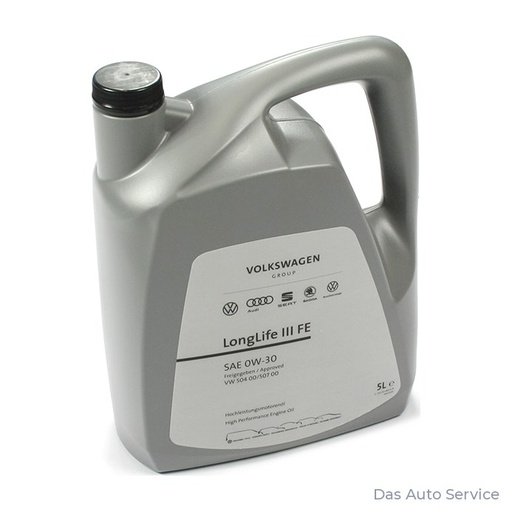
Genuine Longlife III FE 0W30 oil 5L
Genuine LongLife III engine oil with VW 504 00 approval is a suitable choice when that specification is prescribed for your engine. Whatever the LongLife name suggests, I recommend changing the oil every 10,000 km or once a year.
View in shop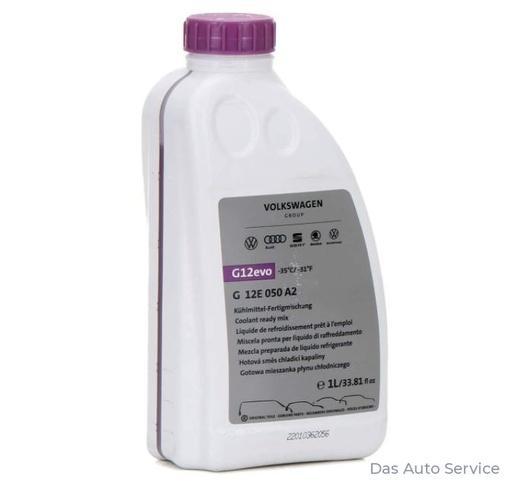
Genuine VAG G12Evo antifreeze G12E050A2 1.0l
Genuine G12evo antifreeze is important for keeping the cooling system working properly. At our workshop, I recommend replacing it every third heating season.
View in shopRead more
- Routine servicing
- Diagnostics
- 1.4 TSI Timing Chain Problems: Rattle and Turbo
- DSG DQ200 Problems: Jerking and Gearbox Faults
- TFSI Carbon Build-Up on Intake Valves: Causes & Fix
Frequently asked questions
What are the most common problems with the 1.4 TSI 160 hp?
The best-known problems are timing chain and tensioner rattles, piston damage caused by detonation, supercharger clutch faults and carbon build-up on the valves. Cars fitted with the DSG DQ200 can also suffer from gearbox juddering.
Does the 1.4 TSI Twincharger have a timing chain or timing belt?
The Twincharger from the EA111 family uses a timing chain. If it rattles on a cold start, don't put off getting it checked. If the chain jumps, the consequences can be serious.
Which is better, the 1.4 TSI 122 hp or 160 hp?
If you want stronger pulling power and more driving enjoyment, the 160 hp Twincharger is an interesting choice. But it has both a supercharger and a turbocharger, so you need to be prepared to look after more components rather than choosing purely on horsepower.
What does Twincharger mean on a 1.4 TSI?
It means the engine uses two chargers: a mechanical supercharger at low revs and a turbocharger at higher revs. This allows the small 1.4-litre engine to produce impressive power and pull strongly across a wide rev range.