2.0 TDI EA189 engine problems are something worth knowing about if you drive a diesel Golf 6, Passat B7, Škoda Octavia 2, Tiguan 1, Audi A4 B8, A6 C7 or Q5 8R. There's a good chance this is the engine under your bonnet. It's one of the most common diesels in Bulgaria, so naturally we see plenty of them in the workshop. You'll hear all sorts about it, from "the toughest diesel ever made" to "never again". The truth? Somewhere in between. The EA189 is a good engine, but it has a few weak points you really shouldn't ignore. Because when something goes wrong, you're the one paying for it. I'll show you how to identify your engine, what to watch out for and how to look after it so it stays an economical diesel rather than becoming a regular visitor to the workshop.
What exactly is the 2.0 TDI EA189 engine?
EA189 was the Volkswagen Group's first generation of 2.0 TDI common rail engines, replacing the older PD (Pumpe-Düse) diesels. The main difference is how fuel reaches the cylinders. With common rail, you've got a shared high-pressure fuel rail supplying the injectors. That makes the engine quieter, smoother and more economical. But here's the catch! This system is quite sensitive to fuel quality. And that's exactly what I want you to remember.
You'll mainly find the EA189 in cars built between around 2008 and 2015. It has a DPF to catch soot and an EGR system that feeds some of the exhaust gases back into the engine. Both help reduce harmful emissions, but as the years go by, they can also give you headaches. Between 2012 and 2015, the next generation, EA288, gradually started taking over. So don't judge the engine by the car's year alone.
Which engine codes identify the EA189?
Not all 2.0 TDI engines are the same, my friend. There are different versions depending on the model, power output and engine layout. In the Golf, Passat, Octavia and Tiguan, the engine sits transversely, across the car. In the Audi A4, A5, A6 and Q5, it's mounted longitudinally, front to back. That's not just a minor detail. It affects some of the weak points I'm about to explain.
- CBAB and CFFB – 140 hp, transversely mounted engines found in the Golf, Passat, Octavia and Tiguan.
- There are also transverse versions producing 110, 170 and 177 hp.
- CAGA and CJCA – 143 hp, found in Audis with longitudinally mounted engines.
- CAHA – 170 hp, again in longitudinally mounted versions.
- CGLC – 177 hp, found in Audis with longitudinally mounted engines.
Want to be absolutely sure which engine you've got? Check its code. You'll find it on the vehicle identification sticker, in the service book or with a diagnostic tool. Don't guess from the horsepower or the badge on the boot. Two cars wearing the same 2.0 TDI badge can have different engines underneath. And that means different weak points you need to keep an eye on.
What's under the bonnet of the 2.0 TDI EA189?
I'm not going to bore you with unnecessary theory. I just want you to understand what's under the bonnet, because that's where some of the trouble starts. The EA189 is a four-cylinder diesel with 16 valves, a turbo and common rail injection. Here are the main parts worth knowing about.
- Four cylinders and 16 valves – four valves per cylinder.
- Bosch CP4.1 fuel pump – generates the high pressure the injectors need to work.
- Timing belt – drives the camshafts, and the water pump is serviced when the belt is replaced.
- DPF and EGR with cooler – the systems that help reduce harmful emissions.
- Balance shafts on some versions – they reduce engine vibrations, but their oil pump drive is a serious weak point.
What are the common 2.0 TDI EA189 engine problems?
This is where I really want you to pay attention. The EA189 has a few well-known weaknesses, but the bigger problem is how often people try to fix them by guessing. The engine management light comes on, someone replaces a part, the light goes out, and a while later you're back where you started. I don't like working that way. First we find the cause, then we fix it. Otherwise, we're just throwing parts at the problem and hoping for the best. And you're the one left with the bill.
Why do the EGR valve and EGR cooler cause problems?
The EGR valve sends some of the exhaust gases back into the engine. Over time, deposits build up and the trouble begins. The car "goes into limp mode", "the engine light comes on", "it's got no power", and you're left wondering what's happened. The EGR cooler can cause problems too. I've explained it all in detail in 2.0 TDI EA189: EGR, cooler and limp mode.
How can the oil pump destroy the whole engine?
This is one of the most dangerous weak points on versions with balance shafts. The oil pump is driven through a hexagonal shaft that can wear over time. When that happens, oil pressure drops and the engine no longer gets the lubrication it needs. The worst part? It can happen without any warning. That's why I've written a whole article about 2.0 TDI engines with balance shafts, because this really isn't something you can afford to underestimate.
WARNING! If the oil pressure warning light comes on, stop immediately and switch off the engine. Especially if yours is a version with balance shafts. Don't tell yourself, "I'll just drive it to the workshop." Those few extra kilometres could be enough to finish the engine off.
How can you tell if the injectors are causing trouble?
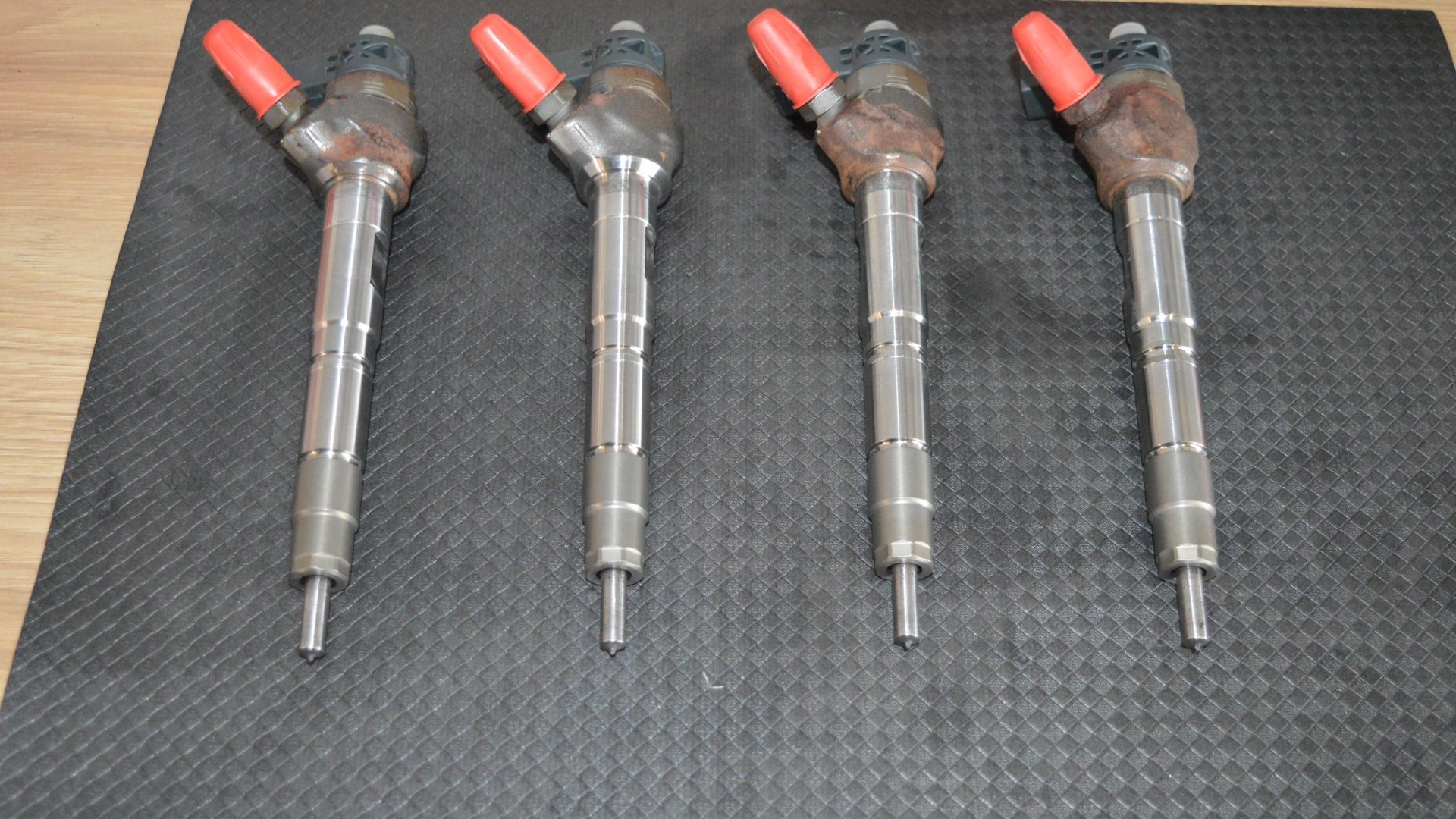
If your car struggles to start, smokes or the engine runs unevenly, the injectors are among the first things I want to check. With diagnostics, we look at the injector correction values. In simple terms, they show how much the ECU is trying to compensate for each injector. Large deviations tell us we need to investigate. But! Don't replace injectors just because of one reading. I've explained why in my article about common rail injectors.
Why doesn't the Bosch CP4.1 fuel pump tolerate poor-quality fuel?
The CP4.1 pump works at extremely high pressure and really doesn't like poor-quality fuel, especially if there's water in it. When it fails, it can release metal filings that travel all the way to the injectors. And then you're no longer dealing with just a faulty pump. You've got a problem affecting the entire fuel system. That's why I keep telling you: don't cut corners on the fuel filter. It's one of the most important lines of defence you've got.
What should you watch for with the vacuum pump, turbo and dual-mass flywheel?
The vacuum pump can start leaking oil, and you'll usually notice oil around it. I've covered this in more detail in my article about oil leaks from the vacuum pump. The turbo can develop problems with its variable geometry, the mechanism that controls how the turbo works under different loads. When that happens, the car "has no power", and sometimes you'll hear whistling or notice smoke. I've explained more in the 2.0 TDI turbo guide. And don't forget the dual-mass flywheel. If it starts rattling, get it checked sooner rather than later. Don't wait until the noise becomes unbearable.
Why does the DPF get blocked during city driving?
The DPF is the filter that catches soot from the exhaust gases. If you're constantly driving around town, it can become blocked because the conditions aren't right for it to clean itself properly. Then the warning lights come on, the engine starts playing up and you end up at the workshop. In owners' groups, you'll often see people saying, "Just remove it and be done with it." No! That's not a repair. We need to find out why it's filling up and fix the actual cause.
How should you maintain your 2.0 TDI EA189?
This is where you decide whether your engine will serve you well for years or keep dragging you back for repairs. The factory LongLife service intervals also take environmental requirements into account, but what matters to me is keeping your engine healthy. For cars driven in Bulgaria, I recommend shorter, regular service intervals. I don't care if the dashboard says you've still got thousands of kilometres until the next service. Engine oil and filters aren't where you should be saving money. It'll cost you more later.
- Engine oil – change it every 10,000 km or once a year, whichever comes first, regardless of the oil used. Use oil meeting VW 507 00, even if your car is on a LongLife service schedule.
- All filters – oil, fuel, air and cabin filters – replace them together with the engine oil every 10,000 km or once a year, whichever comes first. If you're unsure about the fuel quality, check the fuel filter and replace it earlier if necessary.
- Timing belt and water pump – service them together using a genuine timing belt kit. Our rule of 180,000 km or 5 years, whichever comes first, applies to engines built after 2015. For the older EA189, check the correct interval for your exact engine.
- Coolant – replace it every third heating season.
- Brake fluid – replace it every 2 years.
- Preventative inspection – every 6 months, so we can catch problems while they're still small.
And there's something else that's really important. Changing the engine oil and resetting the service reminder isn't enough. On an engine we know can suffer from oil pressure problems, we also need to keep an eye on the oil system itself. If yours has balance shafts, we need to know what condition the oil pump drive is in. More expensive oil won't fix a worn drive. What you need is a proper inspection.
Is a car with the 2.0 TDI EA189 worth buying?
Yes, absolutely. The EA189 can be a reliable, economical engine, provided it's been maintained properly and hasn't spent its entire life doing nothing but short city journeys. But I wouldn't buy one just because it's been polished up nicely and the odometer shows an attractive number. I want to see the service history, run diagnostics and check the oil pressure, especially on versions with balance shafts. I also want to inspect the fuel system, EGR and DPF. Otherwise, you risk buying not just the car, but every problem the previous owner kept putting off.
Advice from Kris Mladenov: Choose a 2.0 TDI EA189 based on its service history and diagnostic results, not the numbers on the odometer. Check the oil pressure and pay attention to the fuel system. And please, don't skimp on the fuel filter. On a common rail diesel, that's one of the worst places to try to save money.
I hope this has helped you! If it has, share the article with a friend who drives a 2.0 TDI or is thinking about buying one. I've always believed that when I know something useful, I should share it with as many people as possible. Because the better you understand your car, the better decisions you make. And that means fewer unnecessary repairs and more cars getting the care they deserve.
The solution in our shop
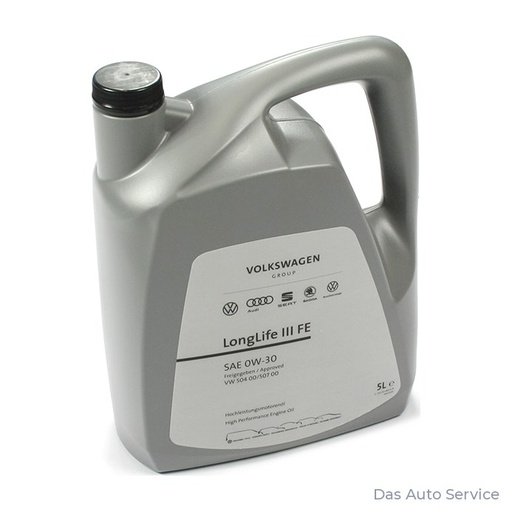
Genuine LongLife III FE 0W30 5L engine oil
Genuine LongLife III oil meeting VW 507 00 is the right choice for this engine. Change it every 10,000 km or once a year, whichever comes first, regardless of what the LongLife service interval says.
View in shop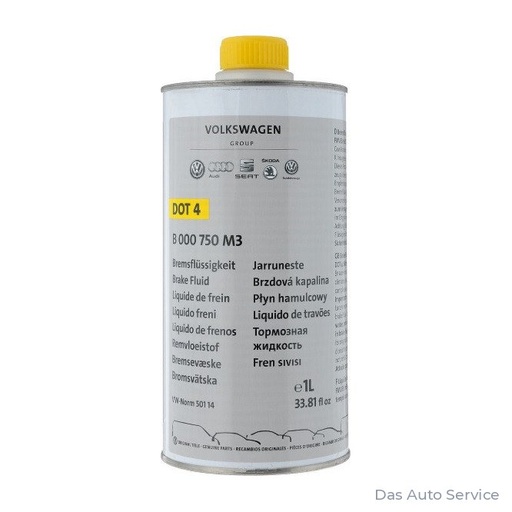
Genuine DOT 4 brake fluid B000750M3 VAG 1l
Genuine DOT 4 brake fluid is for regular brake system maintenance. Don't forget to replace it every 2 years.
View in shop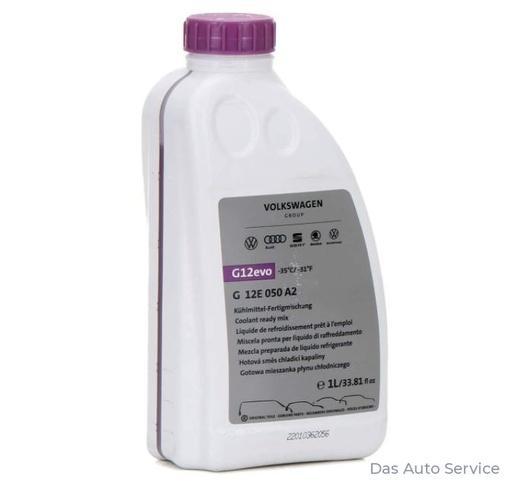
Genuine VAG G12Evo coolant G12E050A2 1.0l
Genuine G12evo coolant is designed for your car's cooling system. I recommend replacing it every third heating season.
View in shopRead more
- Diagnostics
- Major engine repairs
- 2.0 TDI (EA189): EGR, cooler and limp mode
- 2.0 TDI with balance shafts: the oil pump problem
- TDI common rail injectors: when to replace them and why often all four
Frequently asked questions
Which engines belong to the 2.0 TDI EA189 family?
They include CBAB, CFFB, CAGA, CJCA, CAHA and CGLC. You'll find them in the Golf, Passat, Octavia, Tiguan, Audi A4, A5, A6 and Q5. But the safest way to know exactly what you've got is to check your engine code.
What's the difference between EA189 and EA288?
EA189 is the older generation of the 2.0 TDI common rail engine. EA288 gradually replaced it between 2012 and 2015. Don't rely on the car's year alone. Check the engine code.
What are the most common 2.0 TDI common rail problems?
The EGR valve and its cooler, injectors, CP4.1 high-pressure fuel pump, turbo, DPF and dual-mass flywheel. If your engine has balance shafts, pay particular attention to the oil pump drive.
How do I know if my EA189 has balance shafts?
Start with the exact engine code. A specialist workshop can then establish whether your version has balance shafts and exactly what needs checking in the oil system.