Looking for an Audi A3 1.4 TFSI review? Google will quickly throw up things like "turbo problem" and "gearbox problem". You'd think you were buying a collection of problems rather than a car! But the truth is, an Audi A3 with this engine can be a really lovely car, as long as you know which version you're looking at and what to check. Because the 1.4 TFSI in the A3 8P isn't the same engine as the one in the A3 8V. And that's where the confusion starts. Confusion that can end up costing you money out of your own pocket.
Who is the Audi A3 1.4 TFSI right for?
If you want a small Audi that's great around town but still comfortable on longer journeys, the 1.4 TFSI is worth considering. The engine has a nice amount of pull, you don't have to keep your foot down to get anywhere, and fuel consumption is low when you drive normally. It's a very good combination for city driving and a bit of everything else. You don't need a huge engine to enjoy driving. You need a healthy engine that's been properly looked after.
But I wouldn't buy the first car that looks good in the photos. With this model, it really matters whether you're looking at the older A3 8P or the newer A3 8V, because they have different weak points. One might surprise you with a timing chain problem, the other with a coolant leak, and the automatic gearbox has a few quirks of its own. So let's check what's under the bonnet before we get excited about all the extras.
Which engines and gearboxes does the Audi A3 1.4 TFSI have?
There's an important difference I want you to understand, because it's something sellers often leave out of their adverts. Just because two engines both say 1.4 TFSI doesn't mean they're the same. Audi used two different engine families, and that makes a big difference to the problems you might face. Here's what you need to remember:
- Audi A3 8P – 1.4 TFSI with 125 bhp. This is the older engine family, which uses a timing chain.
- Audi A3 8V – 1.4 TFSI with 122 to 150 bhp. This is the newer engine family, which uses a timing belt. Some versions also have cylinder deactivation, meaning the engine can temporarily switch off some cylinders.
- Gearboxes – manual or 7-speed S tronic DQ200 with a dry dual-clutch system.
If you prefer a manual gearbox, that's one major thing you won't have to worry about. But if you want an automatic, you really need to pay attention to the S tronic. I'm not saying it's a bad gearbox. I'm saying you need to understand how it works, how it's been maintained and how it behaves when you pull away. Otherwise, that lovely convenience could turn into an expensive repair later.
What problems should you look for in an Audi A3 1.4 TFSI review?
Timing chain problems on the Audi A3 8P
With the older 1.4 TFSI that uses a timing chain, the first thing I want to know is what the engine sounds like when you start it from cold. If you hear that familiar rattling noise, don't just accept it as normal because someone tells you "they all do that". The timing chain and its tensioner are important for keeping the engine running properly. I've explained this problem in detail in my article 1.2 and 1.4 TSI EA111 – timing chain rattle, tensioner and turbo problems. Give it a read if you're considering an A3 8P.
The turbo and its control system
Another thing I want you to watch out for is the turbo. Sometimes an owner comes in and says, "It doesn't pull like it used to" or "There's a rattling noise from the front". The problem could be with the wastegate control. That's the valve that regulates the turbo's boost pressure. When the mechanism isn't working properly, you might notice a loss of power or hear an unpleasant rattle. But! That doesn't automatically mean you need a whole new turbo. First, we find out exactly where the problem is coming from.
S tronic DQ200 – why does the gearbox jerk?
"Kris, the gearbox keeps jerking, especially when I pull away." That's exactly the sort of complaint that tells me we need to check the DQ200. This 7-speed gearbox uses a dry dual-clutch system and has a mechatronic unit – basically the electronic brain that controls the gear changes. Jerking or juddering when you pull away could be down to the clutch or the mechatronic unit. Don't start replacing parts based on guesswork. I've written a separate article about DQ200 – why the gearbox jerks and judders, where I explain what's behind these symptoms.
Water pump problems on the Audi A3 8V
With the A3 8V, you also need to pay attention to the cooling system. The plastic water pump module can start leaking coolant. Sometimes the first thing you notice is that the level in the expansion tank keeps dropping and you have to top it up. Please don't brush that off as just a small leak. The cooling system protects your engine, and the last thing I want is for your car to start overheating because you've kept putting off getting it checked.
What should I check before buying an Audi A3 1.4 TFSI?
When you're buying a car, I'm not satisfied with the seller simply telling you it's perfect. I want to see how it behaves in the situations where its known problems are most likely to show up. There are three checks I wouldn't skip.
- Cold start on the A3 8P. Listen carefully for any timing chain rattle. Don't rely on starting the engine when it's already warm.
- Pulling away uphill with S tronic. See whether the gearbox pulls away smoothly or starts jerking and juddering. This is an important part of checking the DQ200.
- Coolant leaks on the A3 8V. Check the cooling system and water pump. Don't accept having to top up the coolant regularly as normal maintenance.
These are the main things to look for, but they're no substitute for a proper inspection of the whole car. If you've found an A3 you really like, book a pre-purchase inspectionbefore handing over your money. That way, you'll know what you're buying rather than finding out afterwards. Trust me, discovering a problem before you've bought the car is a lot nicer than discovering it once it's yours.
How should I service my Audi A3 1.4 TFSI?
My rule here is simple – don't wait for the car to start complaining. Regular servicing is the best thing you can do for your engine and gearbox. Especially when it's a car you drive every day in Bulgaria.
- Engine oil and all filters – every 10,000 km or once a year, whichever comes first. We change the oil filter, fuel filter, air filter and cabin filter together with the engine oil, regardless of LongLife.
- S tronic – change the gearbox oil every 60,000 km using genuine oil. After servicing, we always carry out a gearbox adaptation.
Don't be tempted by those long service intervals. They're partly linked to environmental requirements, but I'd rather focus on keeping your engine healthy. If you drive an A3 8V, have a look at my detailed Audi A3 8V 1.4 and 1.5 TFSI service schedule. You'll find a more organised breakdown of what needs doing and when.
WARNING! If the PRNDS indicator starts flashing on your S tronic, stop somewhere safe and have the gearbox diagnosed. Don't keep restarting the car over and over, hoping the problem will magically disappear. Making the symptom go away isn't the same as fixing the fault.
Which would I choose – Audi A3 8P or 8V 1.4 TFSI?
If I had to choose between the two generations, I'd go for the A3 8V 1.4 TFSI. For me, it's the safer bet, mainly because of the differences between the engines. But that doesn't mean every 8V is good and every 8P is bad. With an 8P, I'd want paperwork showing what had been done to the timing chain, so I knew exactly where I stood. With either generation, the condition of the actual car you're buying is what matters most.
Tip from Kris Mladenov: If you drive an S tronic with a dry clutch, never hold the car on a hill using the accelerator. Don't use the clutch to do the job of the brakes, because that puts unnecessary strain on it. And if you notice the gearbox starting to judder, get it checked sooner rather than later. I'm telling you this because I want to save you from repairs you really shouldn't have to pay for.
I hope you've found this article useful! If you have, I'd love you to share it with a friend who drives an Audi A3 or is thinking about buying one. My mission is simple – when I know something useful, I want more people to know it too. Because getting the right information at the right time can save you a lot of headaches and a lot of money out of your own pocket.
The solution in our shop
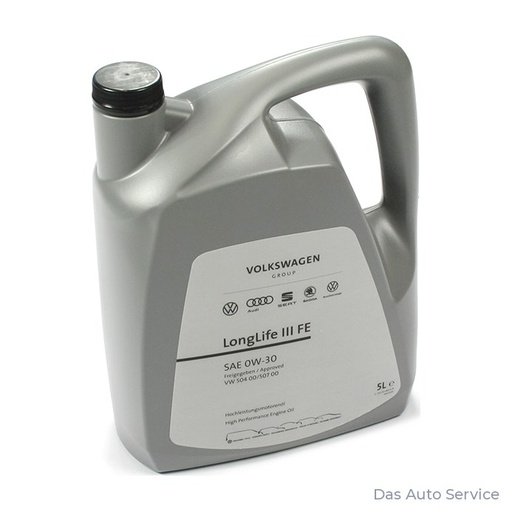
Genuine Longlife III FE 0W30 oil 5L
Genuine LongLife III engine oil is a suitable choice for servicing when it meets the requirements of your particular engine. Whatever the LongLife name suggests, I recommend changing it every 10,000 km or once a year.
View in shop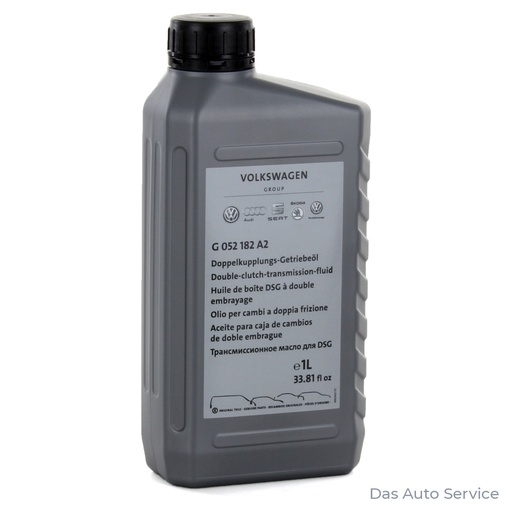
Genuine DSG gearbox oil G052182A2 1l
Genuine dual-clutch gearbox oil is important for servicing a compatible transmission correctly. The exact product needs to be matched to the gearbox.
View in shopRead more
- Pre-purchase inspection
- Routine servicing
- Audi A3 8V 1.4 TFSI Service Schedule
- 1.4 TSI Timing Chain Problems: Rattle and Turbo
- DSG DQ200 Problems: Jerking and Gearbox Faults
Frequently asked questions
What are the most common Audi A3 1.4 TFSI problems?
On the A3 8P, watch out for timing chain problems. On the A3 8V, keep an eye out for water pump leaks. With both generations, you should also check for turbo problems and jerking or juddering from the S tronic DQ200 gearbox.
Does the Audi A3 1.4 TFSI have a timing chain or a timing belt?
The Audi A3 8P 1.4 TFSI with 125 bhp uses a timing chain. The A3 8V 1.4 TFSI with 122–150 bhp uses a timing belt.
Is the S tronic gearbox reliable in the Audi A3 1.4 TFSI?
The DQ200 can work well, but its dry clutch and mechatronic unit need attention. If the gearbox jerks or judders when you pull away, get it diagnosed rather than waiting for the problem to get worse.
Which Audi A3 1.4 TFSI should I buy?
I'd personally choose the A3 8V 1.4 TFSI as the safer bet. The A3 8P is still worth considering, but I'd want paperwork for the timing chain and I'd definitely check the engine from cold.