Do you know what worries me most about servicing the Audi Q3 35 TDI? It's that the car is still relatively young, quiet and economical. There are no warning lights on the dashboard, so the owner assumes everything is fine. Read the owners' forums and you'll see people saying there's nothing to worry about with LongLife intervals of up to 30,000 km. If only that were true! That's why I've put together this Audi Q3 F3 35 TDI service schedule, explaining what needs replacing and when, so you know how to look after your car.
This information applies to the following versions:
- Audi Q3 F3 and Q3 Sportback (2018 onwards)
- 2.0 TDI EA288 engine, 150 hp (110 kW), with engine codes DFGA, DTSA or DTSB
- 6-speed manual gearbox or 7-speed dual-clutch S tronic
- Front-wheel drive or quattro with fifth-generation Haldex
- DPF and SCR system with AdBlue
You'll find the engine code on the sticker in the boot and in the service booklet. Check it before ordering parts. It determines exactly which components your car needs.
Which engine oil should I use in my Q3 35 TDI?
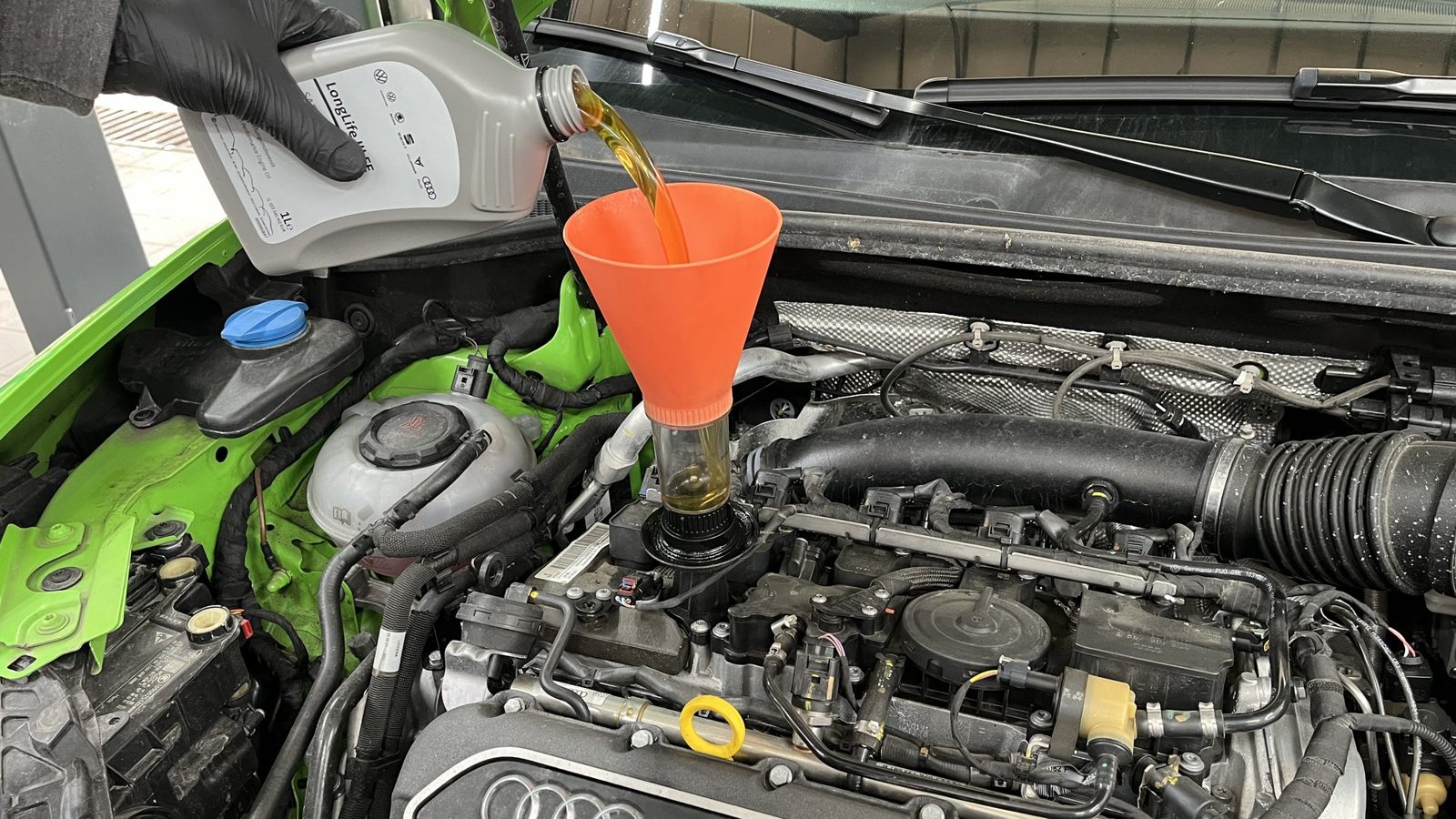
This TDI has a DPF, so it needs low-ash engine oil that meets the exact specification in the owner's manual. At Das Auto Service, we check the engine code and use only genuine oil that meets the relevant specification. We don't just top it up with whatever happens to be left on the shelf. Your engine isn't something to experiment with.
LongLife allows service intervals of up to 30,000 km or 2 years. But I recommend changing the engine oil and oil filter every 10,000 km or once a year, whichever comes first, regardless of the oil used. In Bulgaria, we have dust, city driving, cold winters and hot summers. During DPF regeneration, extra fuel is injected, some of which ends up in the engine oil. And then we wonder why the engine starts to wear out.
Which filters should I replace, and when?
We replace all the filters together with the engine oil every 10,000 km or once a year. We don't wait for them to become clogged. The manufacturer focuses on meeting emissions standards, while I want your engine to keep running reliably for years to come.
- Oil filter – at every engine oil change, without exception
- Fuel filter – together with the engine oil, because diesel fuel quality in Bulgaria isn't always consistent
- Air filter – together with the engine oil, because dust quickly clogs it
- Cabin filter – together with the engine oil
- Crankcase ventilation filter – every 80,000 km
When should I service the S tronic gearbox?
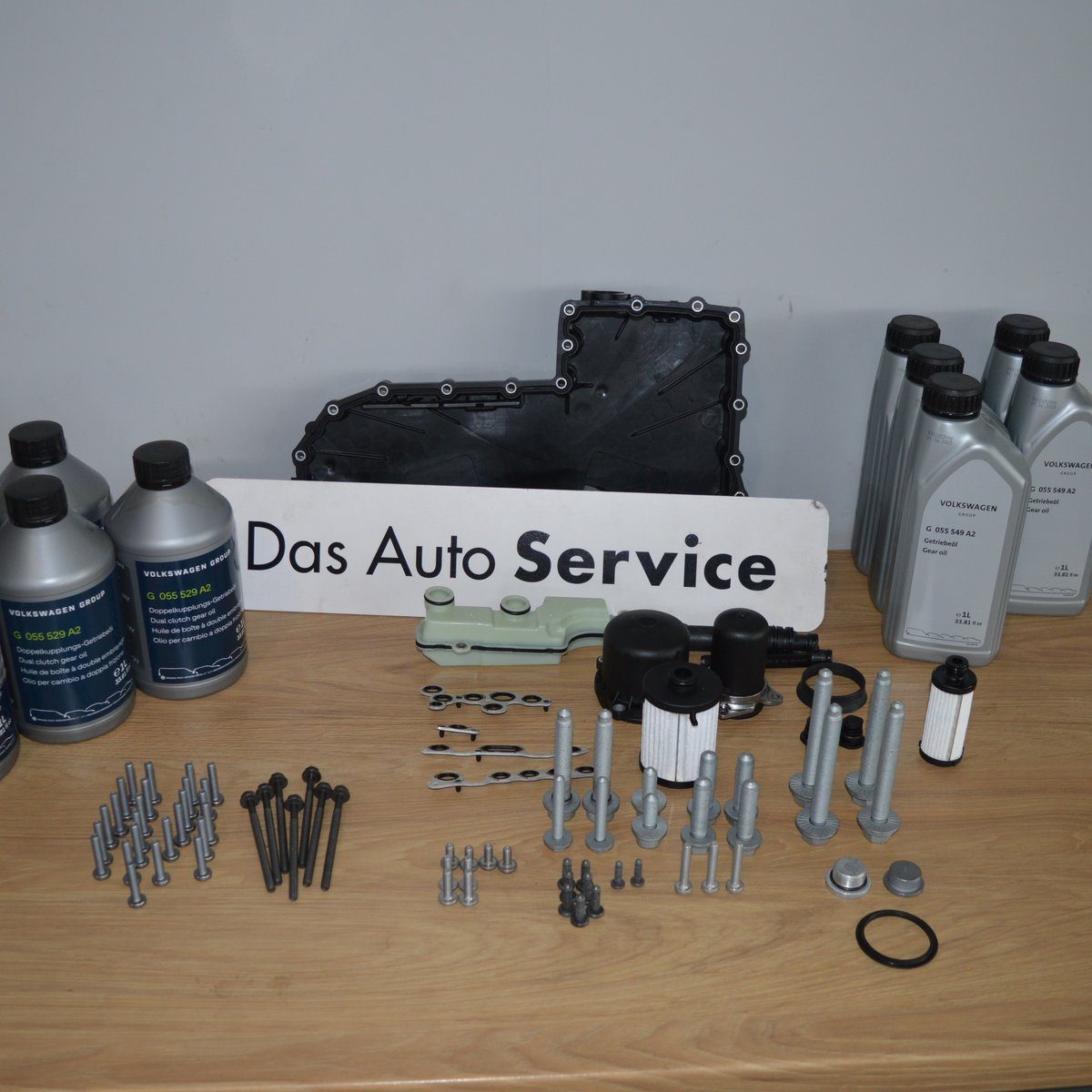
If your Q3 has the 7-speed S tronic, remember one figure: 60,000 km. That's when we replace the gearbox oil with genuine oil and always carry out a clutch adaptation. This procedure allows the gearbox control unit to adjust to the way the clutches operate. We do it every time, not just when the gearbox starts changing gear harshly.
If the car judders or jolts when pulling away, especially in traffic, we start by reading the fault codes and checking live data using diagnostic equipment. We don't order a new mechatronics unit on a hunch. First, we need to understand exactly what's happening.
WARNING! Don't let anyone replace the mechatronics unit or clutch based on guesswork. Start with diagnostics, live data and adaptation. If the wrong repair is carried out, you're the one left paying for it.
What if my Q3 has quattro?
On quattro models, the rear wheels are engaged through a fifth-generation Haldex system. The clutch has its own oil, while the rear differential uses a separate oil. We replace both every 30,000 km. The Haldex pump operates using this oil, and when it becomes contaminated, the all-wheel-drive system starts to suffer. I've explained the system in detail in my article about Haldex Gen 5.
Does the 2.0 TDI engine have a timing belt or a chain?
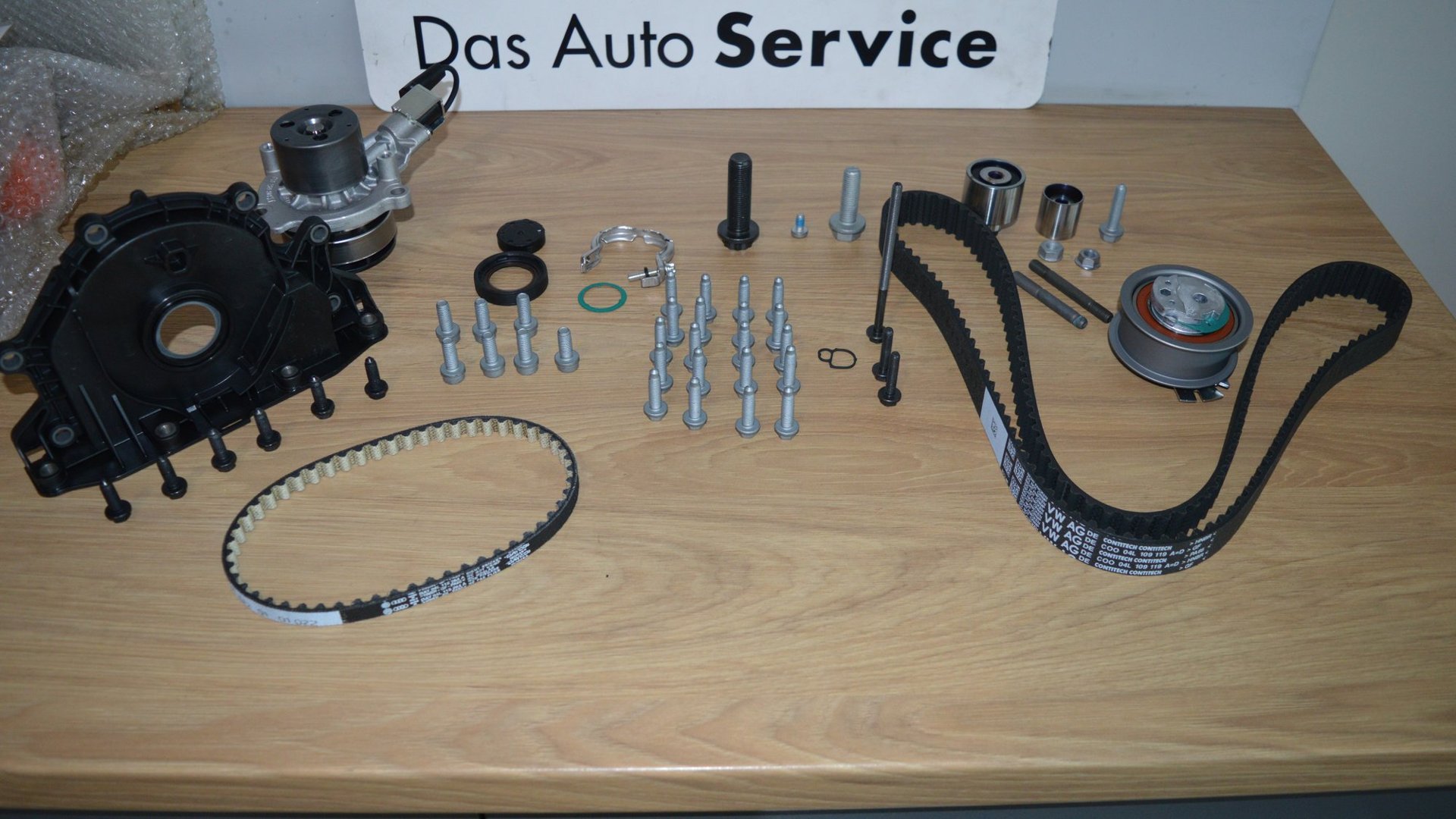
It has a timing belt. I recommend replacing it every 180,000 km or 5 years, whichever comes first, using a genuine timing belt kit that includes the belt, rollers, tensioner and water pump. Rubber ages even when the car is sitting in the garage. If the belt snaps, the valves collide with the pistons. And that's an encounter your wallet definitely won't enjoy. See what's included in the genuine timing belt kit with water pump.
What should I know about AdBlue and the DPF?
Top up the AdBlue when the car tells you to. Use a sealed container and keep dust away from the filler opening. At every inspection, we also check the SCR system, which uses AdBlue to treat the exhaust gases.
The DPF benefits from longer journeys. If you mainly drive in town, regularly take the car on a longer journey outside the city to give the filter a chance to regenerate. When there's a problem, we don't remove the DPF or EGR. We find the cause instead. I've explained more in my article about the 2.0 TDI EA288.
When should I change the brake fluid and coolant?
Brake fluid should be replaced every 2 years. It absorbs moisture, which lowers its boiling point, and under heavy braking, the pedal can start to feel spongy. That's why we test it with a proper instrument rather than judging it by its colour.
We replace the coolant every third heating season and check its level of protection every autumn. Old coolant can cause tiny pits to form in the aluminium engine block. You usually won't know they're there until a leak develops.
We also check the glow plugs using diagnostic equipment every autumn. If the engine struggles to start in the morning, runs roughly or the glow plug warning light flashes, don't wait until the weather gets even colder.
What about the air conditioning and tyre repair kit?
We service the air conditioning every spring. We inspect the system and replace the filter-drier and oil that help protect the compressor. It's not simply a matter of topping up the refrigerant. If your car has a compressor and a bottle of sealant instead of a spare wheel, check the bottle's expiry date once a year.
Why should I have my car checked every 6 months?
Because small problems turn into big ones when nobody catches them in time. Every 6 months, we check the fluid levels, look for leaks and inspect the brake pads, discs, tyres and suspension. We also scan all the control modules for fault codes. We don't wait for the engine management warning light to come on before finding out something is wrong.
What should I remember about servicing my Q3 35 TDI?
- Engine oil meeting the correct specification and all filters – every 10,000 km or 1 year
- Crankcase ventilation filter – every 80,000 km
- S tronic – genuine gearbox oil every 60,000 km, always followed by adaptation
- Haldex Gen 5 and rear differential – oil changes every 30,000 km
- Timing belt, rollers, tensioner and water pump – every 180,000 km or 5 years
- Brake fluid – every 2 years; coolant – every third heating season
- Air conditioning – every spring; vehicle inspection – every 6 months
Advice from Kris Mladenov: I have two recommendations for your Q3. Choose a workshop where the technicians can explain what they're doing and why, and use genuine parts and service consumables. It costs around 20% more, but you're paying for peace of mind. You can book routine servicing or a gearbox service, and for the previous generation, take a look at the Q3 8U 2.0 TDI service schedule.
I hope you've found this article useful! I'm Kris Mladenov, and my mission is simple: when I know something, I want more people to know it too. If you have a friend who drives a Q3, share this article with them. You might save them quite a few headaches.
The solution in our online shop

Genuine LongLife III FE 0W-30 engine oil, 5 litres
Genuine LongLife III FE 0W-30 engine oil for the 2.0 TDI with DPF. It's important that the oil meets the specification required for your particular engine.
View in our shop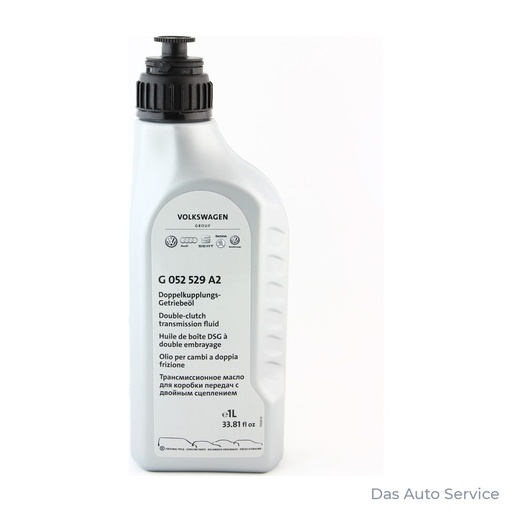
Genuine S tronic dual-clutch gearbox oil G052529A2, 1 litre
Genuine G 052 529 A2 oil for the dual-clutch S tronic gearbox. We use genuine oil when servicing the gearbox.
View in our shop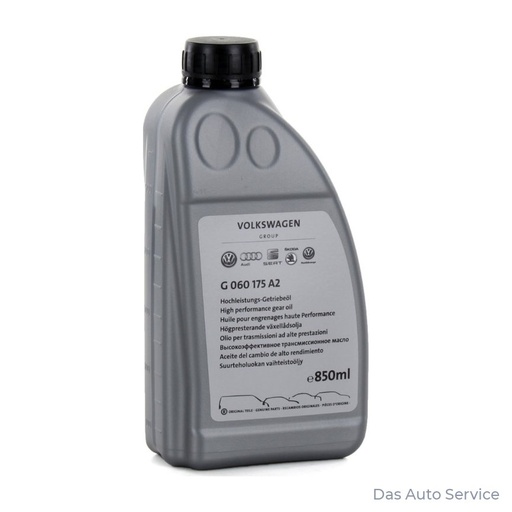
Genuine Haldex oil G060175A2, 850 ml
Genuine G 060 175 A2 oil for the fifth-generation Haldex system. Using the correct oil is important for proper clutch operation.
View in our shop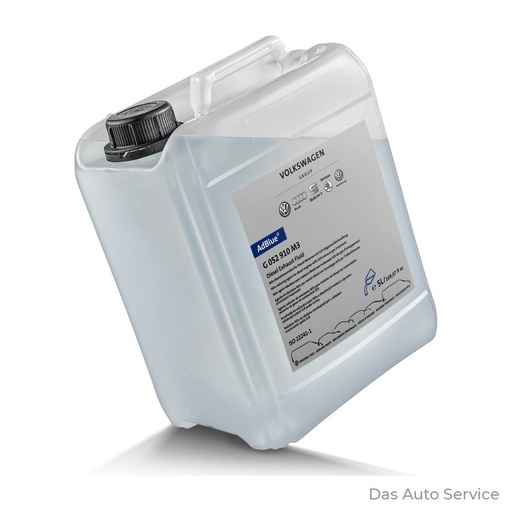
Genuine VAG AdBlue® fluid G052910M4, 10 litres
Genuine AdBlue fluid for the SCR system. Always use clean fluid from a sealed container.
View in our shop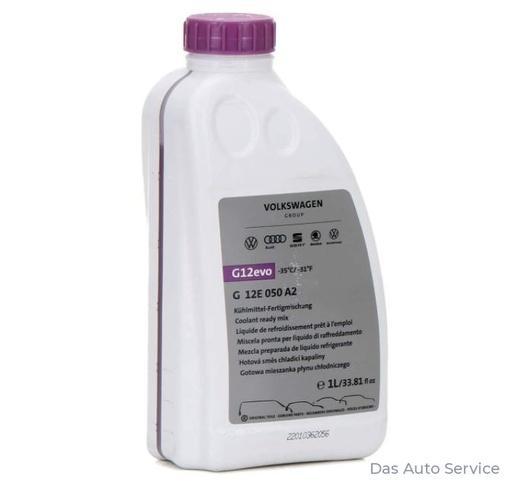
Genuine VAG G12evo coolant G12E050A2, 1.0 litre
Genuine G12evo coolant. We replace it every third heating season.
View in our shop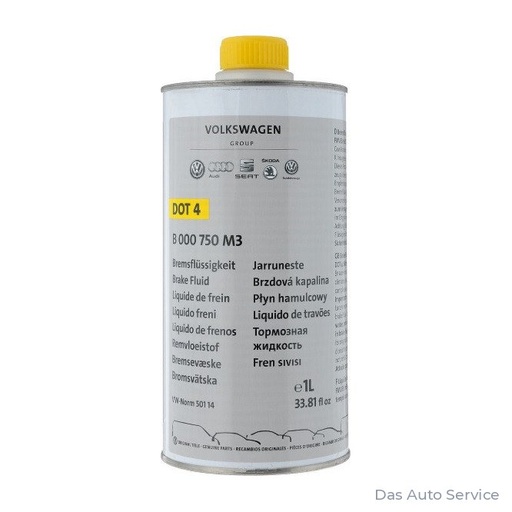
Genuine VAG DOT 4 brake fluid B000750M3, 1 litre
Genuine DOT 4 brake fluid. We replace it every 2 years because it absorbs moisture.
View in our shopRead more
- Routine servicing
- Gearbox servicing
- Audi Q3 8U 2.0 TDI service schedule
- 2.0 TDI EA288 – differences from EA189, common problems and servicing
- What should I know if my car has Haldex Gen 5?
- Timing belt kit with water pump: what's included in the genuine kit
Frequently asked questions
How often should I change the engine oil in my Audi Q3 35 TDI?
Every 10,000 km or once a year, whichever comes first. We replace all the filters at the same time.
Does the Q3 F3 35 TDI have a timing belt or a chain?
It has a timing belt. We replace it together with the rollers, tensioner and water pump every 180,000 km or 5 years.
When should I change the S tronic gearbox oil in my Q3?
Every 60,000 km using genuine oil. We always carry out a clutch adaptation after servicing the gearbox.
When should the Haldex system on my Q3 quattro be serviced?
On the fifth-generation Haldex system, we change both the Haldex clutch oil and the rear differential oil every 30,000 km.