Have you noticed the button with the letter "A" next to your electronic parking brake? That's Auto Hold, and you'd be surprised how many people drive their cars for years without ever using it. Others press the button, see that it doesn't light up and immediately think something's broken. But Auto Hold is actually there to make your life easier, especially when you're sitting at traffic lights or crawling through traffic. There are just a few conditions that need to be met before it'll switch on. Let me explain how it works, why it sometimes refuses to activate and how to tell whether Auto Hold not working means you've got a genuine fault or your car is simply waiting for you to put your seat belt on.
What does Auto Hold actually do, and why would I use it?
Picture yourself sitting at a red light. You've stopped, the car isn't moving, and normally you'd have to keep your foot on the brake until the lights turn green. With Auto Hold, you don't have to. You press the brake, come to a complete stop, and the system holds the car in place so you can take your foot off the pedal. Your car stays exactly where it is, without you having to do anything.
When the lights turn green and you press the accelerator, Auto Hold automatically releases the brakes and off you go. No extra buttons to press, no parking brake to release, nothing special to remember. The system takes care of it for you. It's particularly nice in stop-start traffic because you're not constantly having to keep your foot on the brake.
The same goes when you're stopped on a hill. Instead of worrying about the car rolling backwards, Auto Hold keeps it in place until you press the accelerator. It's one of those little features that doesn't seem like much until you start using it every day. Then you get into a car without Auto Hold and the first thing you wonder is why on earth you have to keep your foot on the brake again.
Why won't Auto Hold switch on when I press the button?
Now, this is where things get interesting. I often hear people say their Auto Hold has stopped working, but when we check the car, there's absolutely nothing wrong with it. The system simply has a few conditions that must be met before it'll let you use it. And there's a good reason for that. We're talking about a system that holds and releases the brakes by itself, so the car needs to know everything is as it should be.
- The driver's door isn't properly closed. Even if it looks shut, Auto Hold may refuse to switch on if the car thinks the door is still open.
- You're not wearing your seat belt. This is one of the simplest reasons, yet so many people never think of it. Buckle up and you've already ticked one more box on the system's checklist.
- The engine isn't running. Auto Hold needs the engine to be running to do its job.
- There's a fault with the ESP or electronic parking brake. ESP is the system that helps keep your car stable and works with the brakes. If there's a problem there, Auto Hold may refuse to work too.
- The battery voltage is low. When the car detects that the voltage is too low, it may prevent certain systems from switching on, including Auto Hold.
See how simple it can be? You press the button, nothing lights up, and you're already imagining an expensive repair bill. But sometimes all you need to do is shut the door properly. That's why I always start with the simple things. There's no point hunting for a complicated fault before we've checked the obvious.
How can I tell if Auto Hold is actually faulty?
If the engine is running, the door is closed, your seat belt is fastened and Auto Hold still won't switch on, then it's worth looking into it properly. Especially if the button doesn't light up or a fault message appears on the dashboard. But even then, I wouldn't rush to blame the button itself. It's simply how you tell the car you want to use Auto Hold. The real work is done by the braking system and the electronics controlling it.
At Das Auto Service, we connect our diagnostic equipment and check where the problem is coming from. It could be an ESP fault, a problem with the pressure sensor or something wrong with the electronic parking brake. The pressure sensor tells the system what's happening with the brake pressure. If that information isn't right, Auto Hold can't do its job properly. I've explained more about the parking brake itself in my article on the electronic parking brake.
There's something important I want you to remember. Just because Auto Hold isn't working doesn't mean you automatically need new parts. First, we need to find out why it isn't working. The diagnostic equipment helps us see what the car is reporting, and then we check the actual cause. I'm not a fan of the "let's replace this and see what happens" approach to repairs. Because at the end of the day, you're the one paying for those experiments.
Does Auto Hold damage your brakes?
No. Auto Hold uses the same brakes you use every day. The only difference is that instead of you holding the brake pedal down, the system keeps the car stationary for you. There's no reason to be afraid of using it or to avoid that button because someone told you it'll ruin your brakes. That's exactly what the system was designed to do.
Of course, your brakes need to be in good working order and properly maintained. That's true whether you use Auto Hold or not. For example, brake fluid needs changing every 2 years, not just when you start noticing a problem. I'd always rather you looked after your car on time than waited for it to tell you something was wrong.
IMPORTANT! Auto Hold is not a substitute for properly parking your car. When you get out, apply the electronic parking brake and put the gearbox in Park. Never rely on Auto Hold to keep the car stationary while you're away from it.
Tip from Kris Mladenov: If Auto Hold suddenly seems to have "disappeared", start by fastening your seat belt, making sure the door is properly closed and checking that the engine is running. Don't go looking for a fault before you've checked those things. Plenty of problems that look serious turn out to have a very simple explanation. If everything checks out but Auto Hold still refuses to work, then it's time for a proper diagnostic check.
I hope you've found this article useful! If you have, I'd love you to share it with a friend who drives a car with Auto Hold but still hasn't worked out what that button does. My mission has always been simple: when I know something useful, I want more people to know it too. Because the better you understand your car, the fewer unnecessary repairs and bills you'll end up paying for.
The solution in our shop
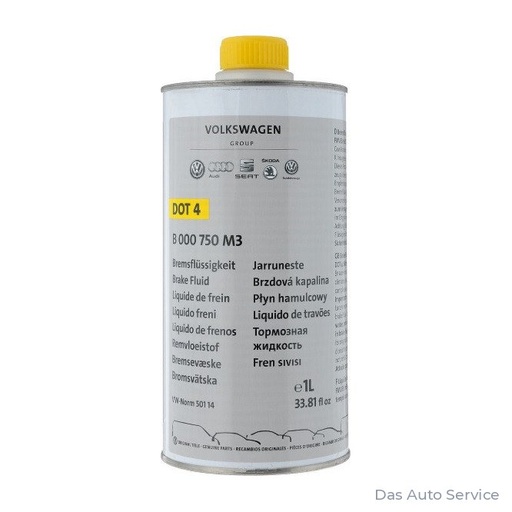
Genuine Audi/Volkswagen DOT 4 brake fluid B000750M3 1l
Genuine DOT 4 brake fluid. Brake fluid should be changed every 2 years to keep your braking system in good condition.
View in shop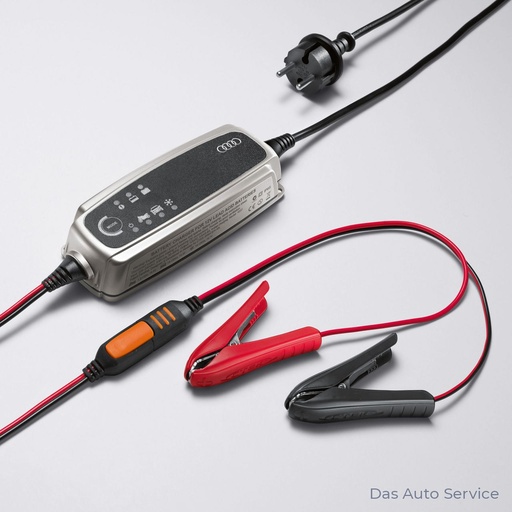
Genuine Audi battery charger. Useful for keeping your battery in good condition, as low battery voltage is one of the reasons Auto Hold may refuse to switch on.
View in shopRead more
Frequently asked questions
What does the Auto Hold button do?
It keeps your car stationary without you having to hold your foot on the brake. When you press the accelerator, the system automatically releases the brakes and you drive away.
Why is Auto Hold not working?
First, check that your seat belt is fastened, the driver's door is properly closed and the engine is running. Low battery voltage or a fault with the ESP or electronic parking brake could also be the cause.
Does Auto Hold damage your brakes?
No. It uses the same brakes you use when you press the brake pedal. The system simply holds them on for you.
Can I leave my car parked using Auto Hold?
No. When you park and get out of the car, apply the electronic parking brake and put the gearbox in Park. Auto Hold is there to make stopping easier, not to replace proper parking.