You put your foot down to overtake, and just when you need the power, the car stops pulling. You press the accelerator harder, but nothing happens. The engine won't rev past a certain point, sometimes the check engine light comes on, and on diesels the glow plug warning light may start flashing. I hear this all the time at the workshop: "Kris, I switched it off, started it again and it was fine!" Yes, except it wasn't fixed. The car had gone into limp mode, and restarting the engine temporarily brought it out of it. I'll explain why this happens, what the turbo has to do with it and why you shouldn't be too quick to blame it.
What is limp mode and why does the car lose power?
Think of the engine as having a brain that constantly monitors how everything is working. When that brain detects a fault that could put the engine at risk, it limits the power. That's limp mode. It isn't a fault in itself. It's the car's way of protecting itself from a more serious problem. That's why you press the accelerator but the engine doesn't respond the way it used to.
Along with the loss of power, you'll often see the check engine warning light, an EPC warning or a flashing glow plug light on a diesel. These are signs that the computer has detected something wrong. But! A warning light doesn't tell you which part needs replacing. It only tells you there's a problem that needs investigating. And that's where proper diagnostics begin.
Why is your car losing power when accelerating?
There are several possible causes, and many of them produce almost identical symptoms. The car drives normally, you accelerate harder and suddenly it stops pulling. It's easy for someone to say, "The turbo's gone," and start replacing parts. But that's not how I work. First, we need to understand exactly what's happening inside the engine, because the problem isn't always where it appears to be.
- The turbo. One common cause is boost pressure that's either too low or too high. The variable geometry mechanism that controls how the turbo works can also get stuck. The engine computer detects the difference and limits the power. If you'd like to know more, read my article about 2.0 TDI turbo problems.
- Intercooler hose or air leak. The turbo might be working perfectly well, but some of the pressurised air could be escaping through a hose or another leak. That means the engine isn't getting the boost pressure it needs. Once again, the result is a loss of power. And the turbo itself might be completely fine.
- EGR. This is the system that sends some of the exhaust gases back into the engine. When something goes wrong with it, the engine can go into limp mode. It's a particularly familiar problem on certain diesel engines. I've explained it in more detail in 2.0 TDI EA189: EGR, cooler and limp mode.
- DPF. This is the filter that traps soot in diesel engines. When it becomes full and starts causing problems, the car may limit the power. You press the accelerator, but the engine doesn't pull properly. Again, the symptoms can look like a turbo problem, even though the actual cause is different.
- Mass airflow sensor and pressure sensors. The mass airflow sensor measures how much air enters the engine, while the pressure sensors monitor what's happening to that air. The engine computer uses this information to control how the engine runs. If it receives incorrect readings, it may limit the power. That's why simply reading a fault code and replacing the part it points to isn't enough.
- Petrol engines. The cause could be an engine misfire or a problem with fuel pressure. From behind the wheel, it can feel exactly as though the car has lost its pulling power. But that doesn't necessarily mean there's anything wrong with the turbo. We need to look at what the engine is actually doing while it's running.
See how six different problems can produce almost exactly the same result? That's why I don't like diagnosing cars by guesswork. A customer comes in with a specific symptom, and the workshop's job is to find the cause. Not to keep replacing parts until we happen to get lucky. That approach can become very expensive without ever fixing the problem.
How do we diagnose a car that's losing power?
At Das Auto Service, we start with diagnostics, but we don't stop at reading the fault codes. The computer provides information, and that information needs to be interpreted properly. We then check how the engine behaves while running and under acceleration. The aim is to find out what's triggering limp mode, not simply clear the warning from the dashboard.
- We read the stored fault codes and check the live data measuring blocks. These show the information the computer receives from the engine and its sensors. That way, we can see what the system is actually reporting, rather than just which warning light is on.
- We carry out a test drive while measuring turbo boost pressure. We check what happens under acceleration, at the point where the car loses power. This matters because the fault might not appear while the car is stationary.
- We check for air leaks. If there's a leak anywhere in the intake system, we need to find it. Otherwise, we could keep blaming the turbo while the real problem remains untouched.
After these checks, we have a much clearer picture of where the problem is coming from. Sometimes it's the turbo control system. Other times, it's the air supply or another part of the engine's systems. The important thing is not to skip the checks. Because replacing a part and actually fixing a fault are two very different things.
Why does the car drive normally again after restarting?
This is one of the most misleading things about the problem. The car goes into limp mode, you pull over, switch off the engine, start it again and the power comes back. It looks as though the problem has disappeared. Then you accelerate harder and the whole thing starts again. That's because the computer has detected the fault again and limited the power once more.
IMPORTANT! Switching the engine off and restarting it may temporarily take the car out of limp mode, but it doesn't fix the underlying cause. If your car keeps losing power when accelerating, the problem is still there. Don't mistake restarting the engine for a repair.
What should I do if my car only loses power sometimes?
It's really important to pay attention to exactly when the problem happens. Does it only happen when the engine is cold, or once it's warmed up? Does it appear under hard acceleration, while everything seems normal when you're driving gently? These details make a big difference when diagnosing the fault. The more accurately you describe how the car behaves, the easier it is for us to focus our checks in the right direction.
Tip from Kris Mladenov: If your car only loses power when the engine is cold, or only once it's warmed up, make sure you tell me. That's half the diagnosis right there. It's not enough for me to know that "it doesn't pull". I also need to know exactly when it happens.
I hope you've found this article useful! If you have, I'd be happy if you shared it with a friend who's also experienced a loss of power. My mission is simple: when I know something, I want more people to know it too. Because the better you understand your car, the harder it is for someone to convince you to replace parts blindly.
The solution in our shop

Genuine Longlife III FE 0W30 oil 5L
LongLife III engine oil is intended for engines that require the corresponding specification. Turbos like clean oil, so regular oil changes are important.
View in shop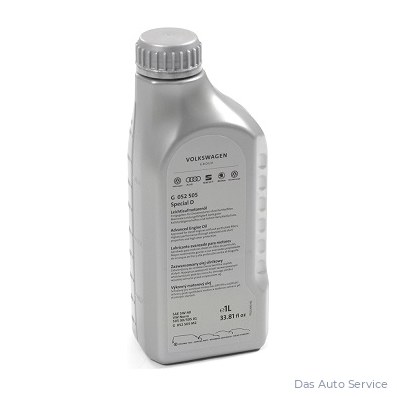
Genuine SpecialD 5W40 Volkswagen diesel oil 1L
SpecialD 5W40 engine oil is for TDI engines with unit injectors, provided it meets the required specification. Using the correct oil matters for both the engine and the turbo.
View in shopRead more
- Diagnostics
- 2.0 TDI Turbo Problems: Whistling, Smoke and Power Loss
- 2.0 TDI EGR Problems (EA189): Cooler and Limp Mode
Frequently asked questions
Why is your car losing power when accelerating?
Most often, the engine computer has limited the power because it's detected a problem. The cause could be the turbo, air supply, EGR, DPF, sensors or the way the engine is running.
How do I get my car out of limp mode?
Switching the engine off and restarting it may temporarily restore the power. But that's not a repair. The cause of limp mode needs to be found and fixed.
Is the turbo always to blame when my car loses power?
No. An air leak, EGR problem, DPF issue or incorrect sensor readings can all cause similar symptoms. That's why diagnostics come first and repairs come afterwards.