You're driving along in winter, but the temperature gauge stays below 90°C. The heater is only blowing lukewarm air, fuel consumption is going up, and you're starting to wonder whether the engine will ever warm up. "My car isn't warming up" is something I hear all the time at the workshop. And the interesting thing is that, in most cases, it comes down to one of two things: the thermostat or the temperature sensor. But! Before you start replacing parts at random, you need to find out whether the engine really is cold or whether the dashboard is just telling you it is. Because those are two very different problems.
Why is it important for the engine to reach 90°C?
An engine is designed to run at a certain temperature, usually around 90°C. When it's cold, it uses more fuel because it isn't running under its normal operating conditions. There's also more wear. And if you think a cooler engine lasts longer, I'm going to disappoint you. It doesn't.
There's something else a lot of people overlook: the engine oil. While the engine is running, moisture and small amounts of fuel find their way into the oil. Once the engine reaches its normal operating temperature, some of that moisture and fuel evaporates. But if you're constantly driving with a cold engine, they stay in the oil, and that certainly doesn't help it do its job. So getting the temperature right is about much more than where a needle sits on the dashboard.
Diesel engines have another problem: the DPF. That's the filter that traps soot from the exhaust gases and periodically needs to burn it off. This process is called regeneration. When the engine doesn't warm up properly, regeneration may not happen as it should, and the filter starts filling up more quickly. That's how a faulty thermostat can cause a problem that, at first glance, seems completely unrelated.
Why is your car not reaching 90°C?
Most often, the problem is the thermostat, but not always. Think of the thermostat as a door that controls how coolant flows through the cooling system. When the engine is cold, that door needs to stay closed so the engine can warm up. If it stays open, cooling starts too early and the engine struggles to reach its normal operating temperature.
- The thermostat is stuck open. This is the most common cause. Coolant keeps circulating through the cooling system, so the engine warms up very slowly or never reaches 90°C at all.
- The temperature sensor is giving an incorrect reading. In this case, the engine might be fully warmed up, but the sensor is sending the wrong information. You see a low temperature on the dashboard even though there may be nothing wrong with the cooling system.
- The cooling control module on newer engines. These systems are more complicated, and a single conventional thermostat doesn't control everything. That's why the checks need to include this module as well.
- With the 3.0 TDI, things are a little different. I've written a separate article about it because the possible causes deserve a closer look: 3.0 TDI not warming up – thermostat or coolant pump?.
There's something I want you to understand. The same symptom doesn't necessarily mean the same fault. Two cars can show exactly the same temperature on the dashboard, but one might have a thermostat stuck open while the other's engine is running perfectly normally. That's why I don't like diagnosing problems based on assumptions. We check first, then replace what's actually faulty.
How can you tell if it's the thermostat or sensor?
There's one very simple clue: the heater. If the temperature gauge stays low and the heater blows lukewarm air, there's a good chance the engine really isn't warming up and the thermostat is to blame. But if the heater is blowing properly hot air while the gauge still shows a low temperature, we have good reason to suspect the sensor. It's not a definite diagnosis, but it's a useful starting point.
The real answer comes from diagnostics. With a diagnostic tool, we can read the temperature reported to the engine control unit and compare it with how the car is behaving. That tells us whether the engine is genuinely running cold or whether the information you're seeing is wrong. And that's the big difference between checking something and guessing. You don't need to replace a thermostat just because the gauge won't reach 90°C.
What do we check when a car is not reaching 90°C?
At Das Auto Service, we start with diagnostics, not dismantling things. I want to see what temperature the engine is reporting, how that temperature changes and whether the engine's behaviour matches the readings. One temperature reading isn't always enough. What matters is how the car warms up during normal driving.
- We check the actual temperature through the diagnostic measuring blocks. This shows us what the engine control unit is reporting rather than relying entirely on the dashboard gauge.
- We monitor how the engine warms up while driving. We want to know whether the temperature rises normally and whether the engine manages to reach its operating temperature.
- We check the thermostat and temperature sensor. On EA211 engines, we also pay attention to the cooling module. I've explained more about it here: the EA211 water pump and thermostat.
Once we've carried out these checks, we can start talking about the actual cause. Because replacing a thermostat when the problem is the sensor means you've done a job that hasn't fixed anything. And I see no reason why a customer should pay for guesswork. Diagnostics should tell us where the problem is.
IMPORTANT! An engine that doesn't reach its normal operating temperature isn't healthier. Quite the opposite. It uses more fuel, suffers more wear and, on diesels, the DPF can fill up more quickly. Don't assume a low engine temperature is normal just because the car still drives.
Tip from Kris Mladenov: If your car isn't reaching 90°C, compare what the temperature gauge shows with the heat coming from the heater. Lukewarm air and a low temperature point towards the thermostat, while hot air and a low gauge reading point towards the sensor. This doesn't replace proper diagnostics, but it often gives us a clue before we've even opened the bonnet.
I hope you've found this article useful! If you have, I'd be glad if you shared it with a friend who's wondering why their car won't warm up. My mission has always been simple: when I know something, I want more people to know it too. Because the better you understand your car, the harder it is for someone to convince you to replace parts for no good reason.
The solution in our shop
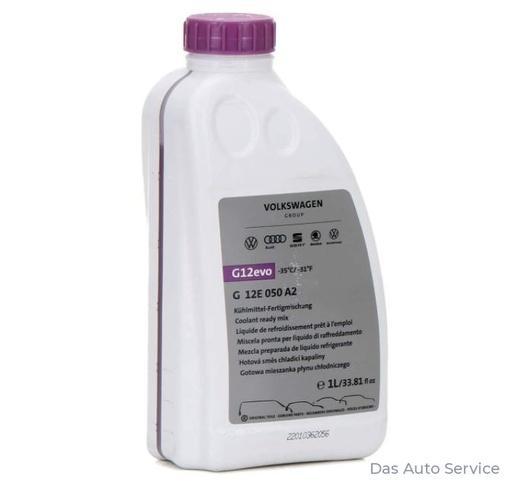
Genuine VAG G12Evo antifreeze G12E050A2 1.0l
Genuine G12evo coolant is designed for the cooling system. Whenever work is carried out on that system, it's important to use the correct coolant.
View in shop
Genuine Longlife III FE 0W30 oil 5L
Genuine LongLife III engine oil is intended for engines that specify it. Using the correct oil matters, but it won't solve the problem of an engine that never reaches its operating temperature.
View in shopRead more
- Diagnostics
- 3.0 TDI Thermostat Problems: Slow Warm-Up or Overheating
- 1.4 TSI EA211 Water Pump and Thermostat Problems
Frequently asked questions
Why is my car not reaching 90°C?
Most often, the thermostat is stuck open, allowing the engine to cool too early. However, the temperature sensor could be giving an incorrect reading, or there could be a problem with the cooling module.
How can I tell whether the thermostat or temperature sensor is faulty?
If the heater is blowing lukewarm air, the engine probably isn't warming up properly. If the heater is blowing hot air but the temperature gauge stays low, there's good reason to check the sensor. Diagnostics are needed to identify the exact cause.
Is it bad for the engine if it doesn't reach 90°C?
Yes. A cold engine uses more fuel, suffers more wear and doesn't get hot enough to allow moisture and fuel to evaporate from the oil properly. On diesel engines, DPF regeneration can also be affected.
Can the engine be warm even if the temperature gauge reads low?
Yes. If the sensor is sending incorrect information, the engine may have reached its normal operating temperature even though the dashboard says otherwise. That's why we check the actual readings with a diagnostic tool.