The temperature gauge keeps climbing, the engine is getting hotter, but the heater is blowing cold air. How can the engine be overheating while you're freezing inside the car? I hear this question at the workshop quite often, and my answer is always the same: these two symptoms happening together are no coincidence, and you shouldn't ignore them. When your car is overheating but the heater is blowing cold, it often means the coolant isn't circulating properly. And that means the engine may not be getting the cooling it needs. At that point, we're no longer talking about keeping you warm. We're talking about the risk of a very expensive engine repair.
Why is the car overheating but the heater blowing cold?
To understand what's happening, you need to know one simple thing. Your car's heater uses heat from the engine. Hot coolant flows through a small radiator inside the cabin, called the heater matrix, and a fan blows air through it to warm the interior. There's no separate heater producing heat independently of the engine. It all depends on the coolant flowing around the system.
When that coolant stops circulating properly, the problems begin. The engine keeps producing heat, but the cooling system can't carry it away as it should. At the same time, not enough hot coolant reaches the heater matrix, so cold air comes out of the vents. You end up with a strange situation: the engine is overheating while you're sitting there freezing. The truth is, both symptoms very often have the same cause.
The important thing to understand is that the heater itself isn't always the problem. You can replace as many parts of the cabin heating system as you like, but if the coolant isn't flowing properly, you won't fix anything. That's why I always start by checking the engine cooling system. That's usually where the answer lies.
What causes a car to overheat and the heater to blow cold?
There are several possible causes, and although the symptoms can look almost identical, the repairs are completely different. I've never liked the approach of "let's replace this part and see what happens". Especially when an engine is overheating. Here's what we look for.
- Low coolant level. If the system is losing coolant through a leak, eventually there won't be enough left to cool the engine and supply the heater properly. That's why a low coolant level should never be treated as a simple invitation to top it up and carry on driving.
- Air trapped in the cooling system. This is particularly important after a repair or a coolant top-up. If air remains trapped inside, it can stop the coolant circulating properly. The result is familiar: the engine gets hot, but the heater stays cold. Sometimes the cause is so simple that it's hard to believe just how serious the consequences can be.
- Faulty water pump. The water pump is responsible for moving coolant around the system. If it fails or its impeller comes loose, coolant circulation can slow down or stop completely. I've covered water pump and thermostat leaks on the EA888 Gen 3in detail. I've also written about the water pump and thermostat on the 1.4 TSI EA211. Both are worth reading if you own one of these engines.
- Thermostat stuck closed. The thermostat controls how coolant flows through the cooling system. If it gets stuck in the closed position, the engine can start overheating because the cooling system isn't working properly. Without the right checks, these symptoms can easily lead you to suspect a completely different fault.
- Gases entering the cooling system. This is one of the more unpleasant possibilities. The problem could be a failed cylinder head gasket or damage to the cylinder head itself. These gases interfere with the cooling system and can cause circulation problems. But! That doesn't mean every car with a cold heater has a damaged cylinder head. You prove the fault first. Then you repair it.
Can I keep driving if my car is overheating and the heater is cold?
No. And I'm not going to tell you to drive a little further, try turning the heater on full or wait to see whether the temperature drops. When the engine is overheating and the heater is blowing cold at the same time, there's a serious possibility that the cooling system isn't working properly. If you keep driving, you risk turning a relatively straightforward problem into a major engine repair.
Pull over somewhere safe and switch off the engine. Don't try to find out how much more punishment it can take. Especially if the temperature gauge is still climbing. There are certain things you must never do when an engine is hot. I've explained them in detail in my article on what not to do when your engine overheats.
What do we check at the workshop?
My first job isn't to point at a part and declare it faulty. It's to understand why the coolant isn't circulating properly. Low coolant, trapped air, a faulty water pump and a cylinder head problem can all produce similar symptoms. But the repairs are very different. That's why we work through the checks in order instead of replacing parts based on guesswork.
- We check the coolant level and pressure-test the cooling system. This helps us find leaks that could explain why the coolant level is dropping.
- We check whether the system has been bled properly. If we suspect trapped air, we carry out the manufacturer's specified bleeding procedure.
- We check the water pump and thermostat. We want to establish whether the pump is circulating coolant properly and whether the thermostat is restricting the flow.
- We test the coolant for combustion gases. This helps us determine whether the problem could be coming from the cylinder head gasket or the cylinder head itself.
Only after these checks can we talk about the repair that's actually needed. That's the difference between proper diagnosis and guesswork. What matters isn't how many parts we replace, but whether we've found the real cause. Because if that cause remains, the engine could overheat again.
WARNING! Never pour cold water into a hot engine. The sudden temperature difference can crack the cylinder head. And never open the coolant expansion tank cap while the cooling system is hot. The coolant is under pressure and can cause serious burns.
How can I prevent the engine overheating again after a repair?
The most important thing is making sure the cooling system has been filled and bled properly. Simply pouring in coolant and tightening the cap isn't enough. If air remains trapped inside, the problem can return even though the faulty part has already been replaced. That's why what happens after the repair is just as important as the repair itself.
Tip from Kris Mladenov: Whenever coolant is topped up or work is carried out on the cooling system, make sure it's bled correctly using the manufacturer's procedure. Trapped air is probably one of the cheapest causes of this kind of problem to fix, but it's also one of the trickiest to spot. For cars driven in Bulgaria, I also recommend changing the coolant every third heating season and having the car checked at the workshop every 6 months.
I hope you've found this article useful! If you have, I'd be happy if you shared it with a friend who drives and might find themselves in the same situation. I've always believed that if I know something useful, more people should know it too. Because sometimes making the right decision at the right moment can save an entire engine.
The solution in our shop
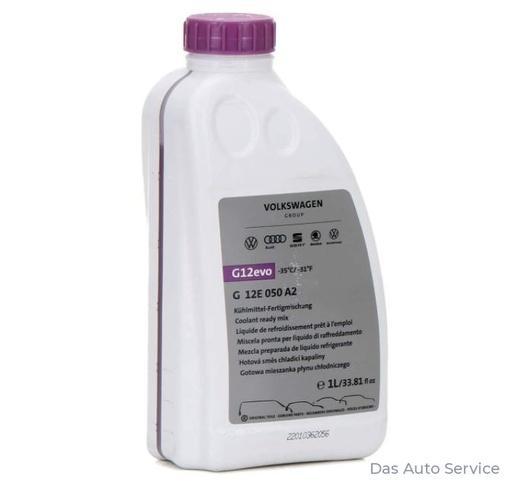
Genuine VAG G12Evo antifreeze G12E050A2 1.0l
Genuine G12evo coolant. Using the correct coolant is important for maintaining the cooling system properly, but simply topping it up won't fix whatever is causing the coolant loss.
View in shop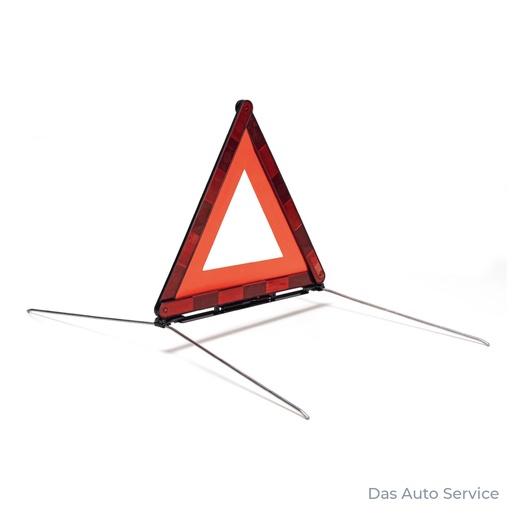
Audi folding warning triangle. Useful if your car overheats and you need to stop at the roadside to warn other drivers.
View in shopRead more
- Diagnostics
- Engine overhauls
- 2.0 TSI Water Pump Leak: EA888 Gen3 Problems
- 1.4 TSI EA211 Water Pump and Thermostat Problems
Frequently asked questions
Why is my car overheating while the heater blows cold air?
The most common reason is that coolant isn't circulating properly through the engine and heater matrix. Possible causes include low coolant, trapped air, a faulty water pump or another problem with the cooling system.
Can trapped air in the cooling system cause overheating?
Yes. Trapped air can prevent coolant from circulating properly, leaving the heater blowing cold while the engine temperature rises. That's why bleeding the cooling system correctly is essential.
Is the water pump to blame when the heater stops working?
It's possible, especially if the pump has failed or its impeller has come loose. But you can't say for certain that the water pump is responsible without checking it first.
Can I keep driving if my engine is overheating?
No. Pull over safely, switch off the engine and get help. Continuing to drive could cause serious engine damage.