It's summer, it's hot outside, you're driving uphill with the air conditioning on, and suddenly the temperature gauge starts climbing. You switch off the AC, the road levels out, and everything goes back to normal. "My car only overheats when I'm going uphill or using the AC." I hear this all the time at the workshop. And this is where many people make the mistake of thinking that if the temperature stays normal the rest of the time, there can't be a problem. There is! The cooling system can still cope when the engine isn't working too hard, but as soon as you put it under more strain, its weakness shows. This is an early warning sign you shouldn't ignore.
Why Does My Car Overheat Under Load?
Think of the cooling system as someone carrying a heavy load. Walking on flat ground is fine, but as soon as they start climbing stairs, they're out of breath. Your engine works in much the same way. When you drive uphill, it has to work harder and produces more heat. Switch on the air conditioning, and you also have heat coming from the AC condenser, which sits in front of the radiator.
If the cooling system is working properly, none of this should be a problem. The radiator, cooling fan, water pump and thermostat should all be able to handle the extra heat. But if the radiator is blocked, the fan isn't working properly or the coolant level is low, the system no longer has enough cooling capacity to spare. Everything looks fine on a flat road, but the temperature gauge starts climbing uphill. That's why you should never treat overheating under load as normal.
What Causes Car Overheating with AC On?
There are several possible causes, and the first thing you suspect isn't always the problem. People often blame the thermostat or water pump, when the real issue might be right in front of them, in the radiator or cooling fan. That's why I prefer to check the whole system rather than start replacing parts based on guesswork. Here's what we usually look for.
- Radiator cooling fan. The fan helps keep the engine cool, especially when the air conditioning is running. If it doesn't switch on or only works at one speed, the temperature can rise when the engine is under more load. It's not just about whether the fan spins, but whether it's working properly. I've explained more in my article about a radiator fan that won't stop running.
- Blocked radiator or AC condenser. Leaves, insects and dust gradually build up on the outside, stopping air from flowing freely through them. Blockages can also develop inside the radiator. When that happens, it can't get rid of enough heat just when the engine needs cooling the most. Sometimes the whole problem is simply a build-up of dirt.
- Low coolant level. If there's a leak somewhere, the coolant level drops and the cooling system becomes less effective. You might not notice anything unusual during gentle driving, but the problem shows up when you go uphill. Simply topping up the coolant and carrying on isn't enough. You need to find out why the level dropped in the first place.
- Water pump or thermostat. The water pump circulates coolant through the engine and radiator, while the thermostat controls how coolant flows through the cooling system. If either part isn't working properly, the engine can't cool itself as it should. The harder the engine works, the more obvious the problem becomes.
- Air conditioning system. If the condenser is blocked, pressure in the AC system can become too high. This puts extra strain on the system and makes cooling more difficult. So your air conditioning does more than just blow cold air. If you'd like to know more, read why your AC needs servicing, not just regassing.
What Should I Do If My Car Starts Overheating?
The first and most important thing is not to pretend you haven't noticed the temperature gauge. If the temperature starts climbing, you need to reduce the amount of heat the cooling system has to deal with. There are a few simple things you can do while finding somewhere safe to stop. But don't mistake them for a repair.
- Switch off the air conditioning. This removes the extra load and heat coming from the AC system. If the temperature starts returning to normal, that's an important clue about what's causing the problem.
- Turn the heater up to maximum. Yes, I know that sounds like punishment in the middle of summer. But the heater takes some of the heat away from the engine and can help cool it down. It won't be comfortable, but your engine matters more.
- If the temperature keeps rising, pull over somewhere safe and switch off the engine. Don't carry on driving and hope everything will sort itself out after the next bend. Overheating isn't something worth taking chances with.
There are also things you absolutely mustn't do when an engine overheats, especially when hot coolant and water are involved. I've explained them in detail in hot engine and water – what not to do when your car overheats. Read that before deciding to open anything or top anything up yourself.
What Do We Check at the Workshop When a Car Overheats?
At Das Auto Service, we don't start replacing parts blindly. First, we need to find out why the cooling system can't cope when the engine is under load. After all, the same rising temperature gauge can point to several different problems. And a proper repair starts with a proper diagnosis.
- We check the radiator cooling fan and its control system. We don't just check whether it spins. We make sure it's working as it should.
- We inspect the radiator and AC condenser. We look for dirt, blockages and anything else that could prevent the cooling system from doing its job.
- We check the coolant level and its antifreeze protection. We also pressure-test the cooling system to find out whether there's a leak.
- We check the pressure in the air conditioning system. This helps us establish whether the AC is contributing to the problem when you switch it on.
The aim is to find the actual cause, not just make the temperature gauge stay in the right place for a while. If the problem is a dirty radiator, there's no point replacing the thermostat on a hunch. If the cooling fan isn't working properly, cleaning the radiator won't fix it. It's simple enough, but unfortunately, not every workshop approaches things this way.
WARNING! Never open the coolant expansion tank cap while the engine is hot. The cooling system is pressurised, and hot coolant can spray out suddenly. Coolant burns can be severe. Don't take the risk!
Tip from Kris Mladenov: Before summer, clean the AC condenser and radiator. Built-up leaves, insects and dust can seriously reduce cooling performance, and sometimes a good clean turns out to be the only "repair" needed. I also recommend having your car checked at the workshop every 6 months rather than waiting until the temperature gauge starts climbing.
I hope you've found this article useful! If you have, I'd be glad if you shared it with a friend who also drives around with the AC on full blast and wonders why their car keeps overheating. My mission is simple: when I know something, I want more people to know it too. Because the better you understand your car, the harder it is for someone to convince you to replace parts for no good reason.
The solution in our shop
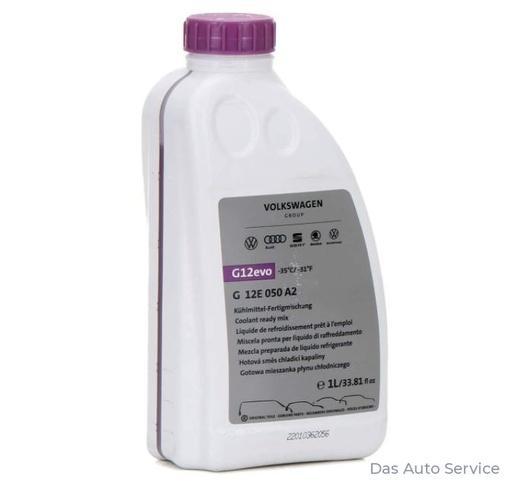
Genuine VAG G12Evo antifreeze G12E050A2 1.0l
Genuine G12evo coolant is the right choice when your car requires this specification. Both the coolant level and its antifreeze protection are important.
View in shop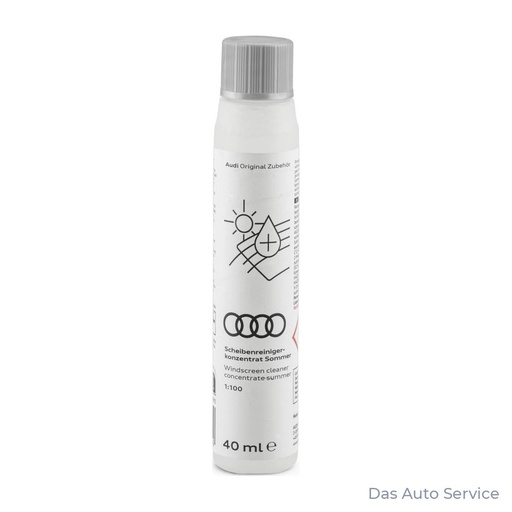
Audi summer windscreen washer concentrate, 40 ml
Audi summer screenwash concentrate is suitable for keeping your windscreen clean during the warmer months. It is not a product for the engine cooling system.
View in shopRead more
- Diagnostics
- Air conditioning
- VW Radiator Fan Keeps Running: When Is It a Fault?
- Car Air Conditioning Service: Why Regassing Isn't Enough
- Engine Overheating: What to Do and What to Avoid
Frequently asked questions
Why does my car overheat when the AC is on?
The air conditioning adds heat and puts extra load on the cooling system. If the radiator is blocked, the cooling fan isn't working properly or there's another problem with the cooling system, the engine temperature can rise.
What should I do if my car overheats when driving uphill?
Switch off the air conditioning and turn the heater up to maximum. If the temperature keeps rising, pull over somewhere safe and switch off the engine.
Could the cooling fan be causing my car to overheat with the AC on?
Yes, especially if the fan doesn't switch on or only works at one speed. But the problem could also be the radiator, coolant, water pump, thermostat or air conditioning system. That's why the whole system needs checking.
Can a dirty radiator cause my car to overheat?
Yes. Built-up leaves, insects and dust restrict airflow through the radiator, preventing it from cooling the engine effectively. The problem becomes more noticeable when the engine is under load.