You stop at the traffic lights and suddenly notice a burning oil smell. Sometimes there's even a little smoke coming from under the bonnet. Your first thought is that the engine is burning oil and something serious has gone wrong. But here's the thing! In most cases, the problem is on the outside of the engine, not the inside. Oil is dripping onto something hot, it starts smoking, and the smell finds its way into the cabin. I hear this all the time at the workshop: "Kris, my car smells of burning oil, but there's not a single drop underneath it." Here's where we look for the problem and why you shouldn't ignore it.
Where does the burning oil smell come from?
Imagine a few drops of oil landing on hot metal. They start smoking, and straight away you get that strong, sharp smell of burning oil. That's exactly what happens when engine oil gets onto the exhaust manifold, turbocharger or catalytic converter. These parts get extremely hot while the engine is running. Oil drips onto them, heats up and starts to smoke.
What's interesting is that you don't necessarily see a puddle under the car. Oil can leak very slowly and burn off on hot components before it ever reaches the ground. So just because there are no oil stains where you park doesn't mean there's no leak. And here's where things get more serious. We're not just talking about an unpleasant smell. There's a genuine risk of fire.
Where are the most common oil leaks?
When a car comes into Das Auto Service smelling of burning oil, we don't start replacing parts based on guesswork. First, we need to find out where the oil is coming from and where it's ending up. Sometimes the leak is right next to the part that's smoking. Other times, the oil runs down the engine and makes the source harder to find. Here are the places we check most often.
- Rocker cover gasket. This is the seal between the rocker cover and the engine. When it starts leaking, oil can run down onto hot components. If you'd like to know more, read my article about oil leaks from the rocker cover and sump.
- Vacuum pump on the 2.0 TDI. This is another common place we check on these engines. The pump can leak oil, which then runs down the engine. I've explained the problem in detail in my article about the 2.0 TDI vacuum pump oil leak.
- Oil filter housing and oil cooler. Engine oil flows through both of these components, and a failed seal can cause a leak. Sometimes the oil spreads across the engine, making it difficult to see where it originally came from.
- Turbocharger pipes. Oil can also appear around these pipes. We check whether it's leaking from the connections and whether it's reaching the hot components around the turbocharger.
- Spilt oil after topping up. Yes, it really can be that simple! You top up the oil, a few drops spill onto the engine, and afterwards you notice a burning smell. No faulty component. No damaged seal. Just spilt oil burning off from the heat.
That last one is particularly interesting because plenty of people immediately imagine an expensive repair. But sometimes the whole problem comes down to a single drop of oil landing in the wrong place. That's why I always say we need to find the cause before we start talking about repairs. Replacing parts blindly isn't diagnosis.
What should I do if my car smells of burning oil?
First of all, don't panic, but don't ignore the smell either. There's a big difference between a slight oil leak and oil that's already smoking on a hot exhaust. You don't need to start taking the engine apart yourself to find out whether there's a problem. Start with a few simple checks.
- Check the engine oil level. If there's a leak, you need to know whether the oil level has dropped. Make sure you check it using the correct procedure for your car.
- Look around the engine and underneath the car. Check for fresh oil marks, oily areas or drops on the ground. Don't touch any hot engine components.
- If you can see smoke coming from under the bonnet or notice a strong burning oil smell, don't carry on driving. Pull over somewhere safe and switch off the engine. This is no longer something you can safely leave until next week.
The biggest mistake is getting used to the smell. Today it's only slight, tomorrow it's a bit stronger, and eventually you start thinking that's just how the car runs. No! A healthy car shouldn't constantly be smoking because oil is dripping onto the exhaust system. You need to find the cause and put it right.
How do we find an oil leak at the workshop?
When a car arrives at our workshop, the first job is to work out exactly where the oil is escaping. That's not always as straightforward as it sounds. If the engine is covered in oil in several places, it can look as though everything is leaking. That's why we work through the checks in order instead of replacing every part we can see.
- We clean the engine and trace where fresh oil starts appearing. If the leak is difficult to find, we use UV dye. This helps us pinpoint exactly where the oil is escaping.
- We check the crankcase pressure and crankcase ventilation system. This is the system that removes gases from inside the engine. If it isn't working properly, the pressure can cause problems with the seals.
- Once we've found the faulty seal, we replace it with a genuine one. The important thing is to fix the cause of the leak, not just wash the engine and hand the car back.
For me, a good repair starts with the right diagnosis. If you replace a gasket without checking where the oil is actually coming from, you could end up repairing a part that was perfectly fine. And the customer will be back with exactly the same smell. That's not how a workshop should operate.
WARNING! Oil dripping onto a hot exhaust is a genuine fire risk. If you see smoke coming from under the bonnet, don't carry on driving. Stop somewhere safe, switch off the engine and get help.
Which oil should I use if I need to top up?
If you check the oil and find that the level is low, it's important to use oil that meets your engine's requirements. Don't choose it just because of what's written on the front of the bottle. The right oil is the one specified for your particular car. And if there's a leak, topping up isn't a repair. It doesn't fix whatever is causing the oil to disappear.
Tip from Kris Mladenov: Whenever you top up the oil, carefully wipe away anything you've spilt. Sometimes the entire smell comes from just a few drops landing on a hot component. But if the smell continues, don't automatically assume it's from topping up. Check whether there's a genuine oil leak.
I hope you've found this article useful! If you have, I'd really appreciate you sharing it with a friend who's wondering why their car smells of burning oil. My mission is simple: when I know something, I want more people to know it too. Because an informed car owner can make the right decisions about their car.
The solution in our shop

Genuine Longlife III FE 0W30 oil 5L
Genuine LongLife III engine oil, 5 l. A suitable choice for cars that specify this oil when you need a larger quantity.
View in shop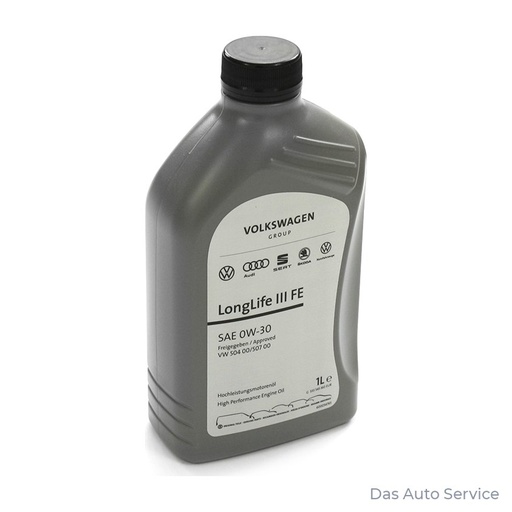
Genuine Longlife III FE 0W30 oil
Genuine LongLife III engine oil, 1 l. A handy size for topping up when your engine specifically requires this oil.
View in shopRead more
- Diagnostics
- Engine overhauls
- Valve Cover Oil Leak: Causes and Repairs
- 2.0 TDI Vacuum Pump Oil Leak: Causes and Repair
Frequently asked questions
Why does my car smell of burning oil?
Most often, engine oil is getting onto hot components such as the exhaust manifold, turbocharger or catalytic converter. The oil starts smoking and produces that distinctive burning smell.
Is it dangerous if oil drips onto the exhaust?
Yes! Oil on a hot exhaust can catch fire. If there's smoke coming from under the bonnet, don't carry on driving.
Where do oil leaks most commonly come from?
We check the rocker cover gasket, the vacuum pump on the 2.0 TDI, the oil filter housing, the oil cooler and the turbocharger pipes. Sometimes the cause is simply oil spilt while topping up.
Can my car smell of burning oil without leaving stains underneath?
Yes. Oil can drip onto a hot component and burn off before it reaches the ground. So even if there are no oil stains where you park, that doesn't rule out a leak.