"My car is using two litres more than it used to!" I hear this all the time at the workshop, especially when autumn and winter arrive. And the first question is always the same: is it normal, or is something wrong? The truth is, high petrol consumption doesn't always mean there's a fault. Sometimes it's down to how you drive, short journeys or cold weather. Other times, the engine is giving you a clear sign that something isn't right. I'll walk you through the ten things we check when someone comes to us because their car is using too much petrol.
What are the 10 reasons your car is using too much petrol?
- The thermostat. I'm starting with this one because it often goes unnoticed. If the thermostat gets stuck open, the engine can't reach its normal operating temperature of 90°C. The engine computer sees that the engine is cold and supplies more fuel. You keep driving, the car feels fine, no warning lights come on, but your fuel consumption keeps climbing. Sometimes so gradually that you don't even notice when it started.
- The lambda sensor and catalytic converter. The lambda sensor monitors the exhaust gases and helps the engine computer work out how much fuel to supply. When the readings are wrong, the fuel mixture can become too rich, meaning more petrol goes into the engine than it needs. The catalytic converter can also cause problems, but don't be too quick to blame it. I've explained in detail when they're really to blame. Not every fault code means you need to replace parts.
- Spark plugs and ignition coils. A petrol engine needs a good spark to burn its fuel properly. When a spark plug or ignition coil isn't working as it should, the engine starts misfiring. It might run roughly, lose power and use more petrol. Sometimes the check engine light comes on too. If you want to understand exactly what's happening, read my article about ignition coils and spark plugs.
- Carbon build-up on the valves. In direct-injection engines, carbon deposits can build up on the intake valves. Imagine a thick layer of dirt stopping air from flowing freely into the engine. The result can be rough running, loss of power and higher fuel consumption. It's a well-known issue with TSI and TFSI engines. I've covered it in more detail in my article about carbon build-up on TSI and TFSI valves.
- The mass airflow sensor or pressure sensor. Think of these as the engine computer's eyes when it comes to measuring the air entering the engine. If either sensor gives incorrect readings, the computer can calculate the wrong amount of petrol to inject. The car might drive almost normally but use more fuel. That's why we don't just check for stored fault codes. We also look at the live sensor readings while the engine is running.
- Air leaks. Imagine the engine computer has measured a certain amount of air, but more air gets in after the mass airflow sensor without being measured. The fuel mixture is no longer what it should be, so the computer tries to correct it. This can cause rough running and increased fuel consumption. That's why we check the entire air intake system before we start replacing sensors.
- A dragging brake. This one surprises a lot of people. If a brake doesn't release completely, the car has to overcome extra resistance all the time. It's like driving with your foot resting lightly on the brake pedal. The engine has to work harder to maintain the same speed, and fuel consumption goes up. One sign is a brake disc that's unusually hot.
- Tyre pressure and wheel alignment. When your tyres are underinflated, rolling resistance increases. If the wheel alignment is also out, the wheels don't roll as they should and the car wastes energy. The engine has to make up for all of that. You won't necessarily notice a big difference in how the car drives, but you might notice it at the petrol pump. That's why checking the tyres is one of our first steps.
- A dirty air filter and old engine oil. Your engine needs clean air and proper lubrication. A dirty air filter can restrict airflow, while old oil no longer does its job as well as it should. Don't expect miracles from an oil change alone, but proper maintenance matters. For cars driven in Bulgaria, I recommend changing the engine oil and all filters (oil, fuel, air and cabin) every 10,000 km or once a year, whichever comes first. Even if you're using LongLife oil.
- Roof racks, short journeys and winter. Not everything is a fault! A roof rack increases aerodynamic drag, while on short journeys the engine often doesn't have enough time to warm up properly. It's even more noticeable in winter. If you mainly drive short distances, don't compare your fuel consumption with what you get on a long summer motorway journey. Compare it under similar conditions.
How can I tell if high fuel consumption is caused by a fault?
The most important thing is when and how your fuel consumption changed. If your car was using a normal amount of petrol yesterday but suddenly uses significantly more today, especially if the check engine light is on, the engine is running roughly or you notice an unusual smell, there's good reason to suspect a fault. If consumption gradually increases as the weather gets colder, it's more often down to how you're using the car. But that doesn't automatically mean everything is fine. You need to check, not guess.
What do we check at the workshop when a car is using too much petrol?
- We start with the diagnostic tester. We read the stored fault codes, but more importantly, we look at the fuel mixture data and the fuel adjustments the engine computer is making. These tell us whether the engine is trying to compensate for a problem.
- We check the engine temperature. We want to know whether the engine is actually warming up properly, not just what the temperature gauge on your dashboard says. A faulty thermostat can cause problems without giving you an obvious warning.
- We check the ignition and air intake systems. We inspect the spark plugs, ignition coils and sensor readings, and check for unwanted air leaks. The aim is to find the cause, not replace parts based on guesswork.
- We check the brakes and tyres. There's no point looking only at the engine if one of the wheels is constantly creating extra resistance. Sometimes the cause is much simpler than you expect.
IMPORTANT! High petrol consumption accompanied by a smell of fuel or black exhaust smoke is not "normal for winter". Don't ignore it or keep driving in the hope that it'll sort itself out. If you smell fuel, stop somewhere safe and have the car checked.
Tip from Kris Mladenov: Measure your fuel consumption properly instead of relying only on the dashboard display. Fill the tank completely, record the mileage and, when you fill up again, calculate how much petrol you've actually used. The trip computer can sometimes be out by half a litre. That way, you'll know whether your fuel consumption has really increased.
I hope you've found this article useful! If you have, I'd appreciate it if you shared it with a friend who's always complaining that their car uses too much petrol. My mission is simple: when I know something, I want more people to know it too. Because an informed car owner is much harder to convince to pay for repairs they don't need.
The solution in our shop

Genuine Longlife III FE 0W30 oil 5L
Genuine LongLife III engine oil is part of proper engine maintenance. What's important is changing it on time, regardless of the LongLife label.
View in shop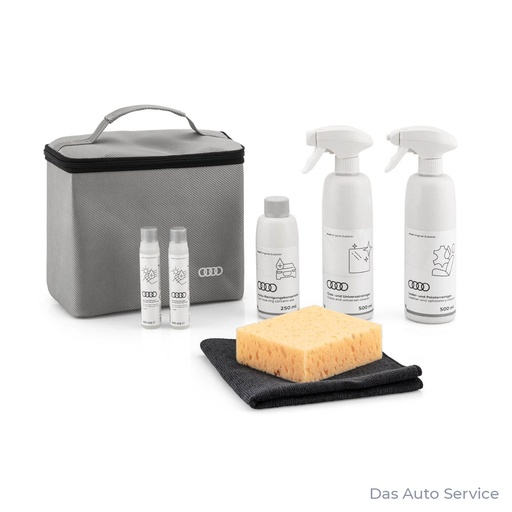
Genuine Audi car cleaning kit with a bag, helping you keep your car clean and tidy.
View in shopRead more
- Diagnostics
- Lambda Sensor Fault: Sensor or Catalytic Converter?
- TFSI Intake Valve Carbon Build-Up: Causes and Cleaning
- 2.0 TFSI Ignition Coils and Spark Plugs
Frequently asked questions
Why is my car using too much petrol?
It could be a faulty thermostat, an ignition problem, incorrect sensor readings, a dragging brake or simply the way you drive. Without checking the car, there's no way to say for certain.
Can a faulty thermostat increase petrol consumption?
Yes. If the engine doesn't reach its normal operating temperature of 90°C, the engine computer may continue supplying extra fuel, increasing consumption.
How much more petrol does a car use in winter?
There's no single figure that applies to every car. It depends on how short your journeys are, how often the engine runs cold and how you drive. If fuel consumption increases suddenly or you notice other symptoms, don't just blame the winter weather.