"Kris, which is better, common rail or PD TDI?" I get asked this all the time, especially by people looking for a diesel Golf, Passat or Audi. You'll see adverts mentioning 1.9 TDI, 2.0 TDI, PD and common rail, and the seller will usually tell you that their engine is the most reliable one ever made. Well, they can't all be the best! The truth is, we're talking about two different ways of injecting diesel into the engine's cylinders. Both have their strengths and weaknesses. I'll explain the difference just as I would to a friend standing beside a car with the bonnet open.
What is PD TDI and why are older diesels so noisy?
Imagine each cylinder in your engine having its own little pump to build up fuel pressure, along with an injector to spray the diesel in. Both are built into one unit, which is why the system is called Pumpe-Düse, or PD for short. You'll see that abbreviation all over the forums. The camshaft, which operates the engine's valves, also drives these injector units. This creates very high fuel pressure and gives the engine that strong, punchy pull that so many people love about older TDIs.
But there's something else. If you've ever heard an old 1.9 TDI idling, you'll know exactly what I mean. It has a very noticeable clatter. That doesn't necessarily mean there's anything wrong with it. It's simply the way its fuel injection system works that makes the engine noisier. So don't compare it with a newer diesel and immediately assume something is broken.
- PD injection was used roughly from 1998 to 2009.
- On the 1.9 TDI, you'll find engine codes such as ARL, ASZ, BKC, BXE and BLS.
- On the 2.0 TDI, examples include BKD and BMM.
If you'd like to learn more about these engines, have a read of my article on 1.9 and 2.0 TDI PD engines – the legend and their weak points. I go into more detail about what made these engines so popular and where you need to be careful.
What is common rail and why does the engine run more quietly?
Common rail works differently. Instead of each cylinder having its own pump, one high-pressure pump supplies diesel to a shared fuel rail. From there, the fuel goes to the injectors for each cylinder. The injectors are electronically controlled and can inject fuel several times during a single engine cycle. Put simply, the engine has much more precise control over exactly when and how the diesel is injected.
And that's where you'll notice the biggest difference behind the wheel. A common rail engine runs more quietly and smoothly, and the fuel burns more cleanly. If you get out of an old PD TDI and into a newer common rail diesel, you'll hear the difference straight away. But that doesn't mean the system is simpler. Quite the opposite. Its fuel injection system is more complicated, and repairing it can cost you a fair bit more.
- Common rail started appearing in four-cylinder TDI engines around 2007–2008.
- You'll find it in the 1.6 TDI and 2.0 TDI engines from the EA189 and EA288 families, as well as in V6 TDI engines.
I've explained the injectors themselves in more detail in my article on common rail injectors – when they need replacing and why it's often all four. Give it a read, because an injector isn't something you should just replace blindly whenever your engine starts shaking.
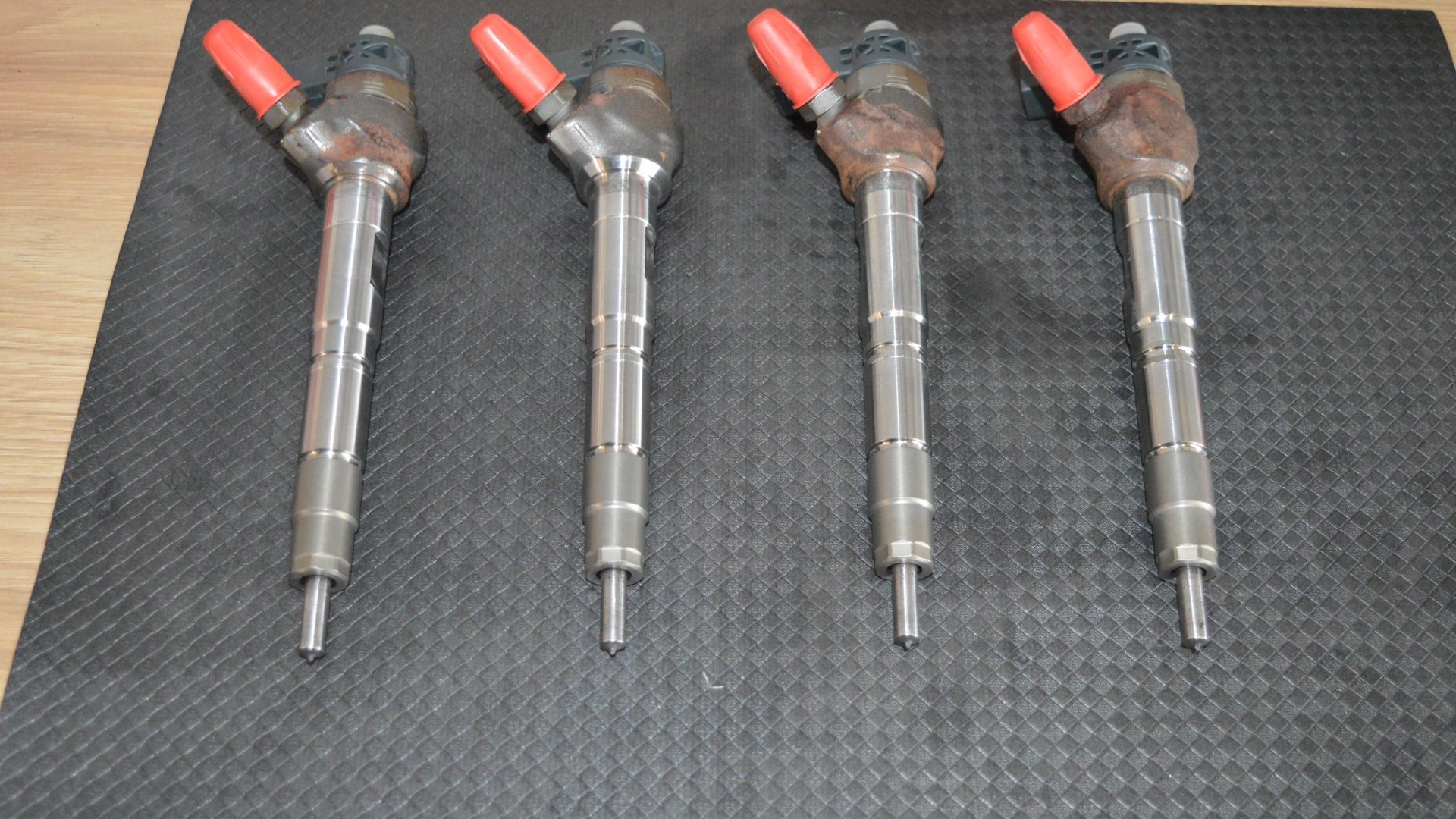
Common rail vs PD TDI: which is better?
You're probably expecting me to pick one and settle the argument. Sorry, it's not that simple! PD TDI has simpler electronics, a very distinctive punchy pull and that old-school TDI feel that some owners absolutely love. But it's noisier and particularly sensitive to the oil you use. Common rail is quieter and burns fuel more cleanly, but its injection system is more complicated and more expensive to repair.
- PD TDI – simpler electronics and strong pulling power, but more noise and a real sensitivity to oil quality.
- Common rail – quieter running and cleaner combustion, but a more expensive fuel injection system.
I wouldn't choose a car just because the advert says PD or common rail. What matters more is knowing exactly what you're buying and how the engine has been looked after. An engine might have a brilliant reputation, but if the previous owner skimped on servicing, that reputation won't pay your repair bill. And the opposite is true too. Don't write off an engine just because you've read a few horror stories on a forum. Judge the actual car, not the stories people tell about it.
How should I service PD and common rail TDI engines?
This is where it doesn't matter which engine you prefer. Both need the correct oil and regular servicing. At Das Auto Service, I recommend changing the engine oil and all filters every 10,000 km or once a year, whichever comes first. That's for cars driven in Bulgaria, regardless of whether you're using LongLife oil. Don't stretch the interval just because someone told you the oil could last longer.
- Engine oil – every 10,000 km or once a year, using oil with the correct VW approval for your engine.
- PD TDI without DPF – oil meeting VW 505 01.
- Engine with DPF – oil meeting VW 507 00.
- Oil filter, fuel filter, air filter and cabin filter – replace all four together with the engine oil every 10,000 km or once a year.
Oil is especially important in PD engines because the camshaft doesn't just operate the valves. It also drives the injector units. That puts a lot of extra load on it, so proper lubrication is absolutely essential. If you want to understand why this camshaft matters so much, read how a TDI cylinder head works and what the camshafts and hydraulic tappets actually do. You'll see why something as ordinary as an oil change can make such a big difference.
WARNING! Using the wrong oil in a PD TDI can wear out the camshaft. It's not enough for the bottle to say 5W-40 or show some other viscosity grade. The oil must have the correct VW approval for your particular engine.
How can I tell if my TDI is PD or common rail?
The most reliable way is to check the engine code. Don't guess just because your car is a 1.9 or 2.0 TDI, and don't rely on the year either, because there was a period when both systems were being used. The engine code tells you exactly which engine you've got. You can find it in the service book or on the vehicle information sticker in the boot. That way, you're not relying on what the seller thinks or what someone says in a Facebook group.
Tip from Kris Mladenov: If you're not sure which TDI engine you've got, check the engine code first. Then choose oil with the correct VW approval, rather than simply buying whatever someone recommended on a forum. I'm telling you this because one mistake during servicing can end up costing you a lot more than the oil change itself.
I hope you've found this article useful! If you have, I'd really appreciate you sharing it with a friend who drives a TDI or is thinking about buying a diesel car. My mission is simple. When I know something useful, I want more people to know it too. Because the right information can save you a lot of headaches and a lot of money. And I'd much rather see you at the workshop for a routine service than for an expensive repair you could have avoided.
The solution in our shop
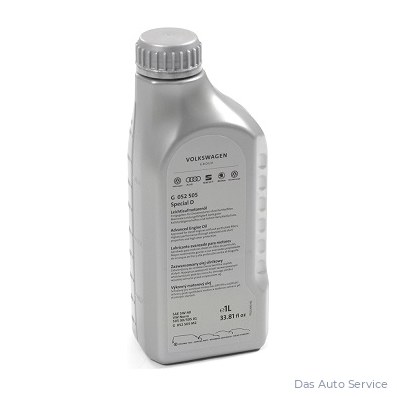
Genuine SpecialD 5W40 Volkswagen diesel oil 1L
SpecialD 5W40 engine oil with VW 505 01 approval – for PD TDI engines without DPF. The correct oil approval is particularly important for protecting the camshaft.
View in shop
Genuine Longlife III FE 0W30 oil 5L
LongLife III engine oil with VW 507 00 approval – for engines with DPF. Despite the LongLife name, I recommend changing it every 10,000 km or once a year.
View in shopRead more
- Diagnostics
- Routine servicing
- 1.9 TDI PD Common Problems and Weak Points
- 2.0 TDI Injector Problems: When to Replace All Four
- Inside the TDI Cylinder Head: Camshafts and Lifters
Frequently asked questions
What's the difference between PD TDI and common rail?
In a PD TDI engine, each cylinder has its own combined pump and injector unit, driven by the camshaft. With common rail, one high-pressure pump supplies fuel to electronically controlled injectors through a shared fuel rail.
Which TDI engines use PD injection?
Examples include the 1.9 TDI with engine codes ARL, ASZ, BKC, BXE and BLS, and the 2.0 TDI with codes BKD and BMM. The safest way to be sure is to check your engine code.
Common rail vs PD TDI: which is better?
PD TDI has simpler electronics and strong pulling power, but it's noisier and more sensitive to the oil you use. Common rail is quieter and burns fuel more cleanly, but its injection system is more expensive to repair.
How often should I change the oil in my TDI?
I recommend changing it every 10,000 km or once a year, whichever comes first. Replace the oil filter, fuel filter, air filter and cabin filter at the same time.