"Diesel or petrol?" I hear this question all the time at the workshop. And do you know what's interesting? Ten years ago, the answer was much easier. Drive a lot? Get a diesel. Don't drive much? Go for petrol. But in 2026, things aren't quite so simple. Modern diesels have become much more complicated, while petrol engines are far more economical than they used to be. And here's where people make a big mistake: buying a car just because someone told them diesels use less fuel. I want to explain how I'd choose the right engine for you. Because the best car isn't necessarily the one that uses the least fuel. It's the one that suits the way you actually drive.
Diesel or petrol in 2026 – what should you base your choice on?
When you come to me for advice, the first thing I ask isn't which brand you like or how much horsepower you want. I ask how you drive. Because you could buy a fantastic diesel that runs perfectly for someone else but keeps bringing up the engine warning light when you own it. Not because it's a bad car, but because it doesn't suit your daily routine. That's why I start with four very simple questions.
- How many kilometres do you drive each year? There's a huge difference between someone who hardly ever leaves the city and someone who's constantly on the road.
- Where do you do most of your driving – in town or on the open road? An engine works under completely different conditions in a traffic jam and on the motorway.
- How long are your usual journeys? Starting the engine, driving a few streets and switching it off again is very different from driving for a good while.
- How long are you planning to keep the car? Because we're not just looking at what you'll save on fuel today. We're also looking at what maintenance will cost you over the years.
When is a diesel the better choice for me?
If you cover a lot of miles, regularly make long journeys, tow things or drive a heavy car, diesel is still a very good choice. That's exactly the kind of driving where a diesel makes sense. You'll use less fuel, and the engine gets to run for long enough, under the right conditions, to do its job properly. But there's something really important I want you to understand. Modern diesels don't like being started and stopped all the time.
A diesel has a DPF – the diesel particulate filter that catches soot from the exhaust gases. When conditions are right, the car automatically starts what's called regeneration. In simple terms, it burns off the collected soot to clean the filter. That's much easier when you're doing longer journeys. So if you're regularly on the motorway, a diesel makes sense. That's when the lower fuel consumption can genuinely save you money rather than give you headaches.
When is petrol the smarter choice?
If you mainly drive around town, your journeys are short and you don't cover many kilometres, I'd steer you towards petrol. Just picture your usual morning. You start the car, crawl through traffic for a few kilometres, park up and then do exactly the same thing in the evening. That's not a good life for a diesel. The DPF starts collecting soot, regeneration doesn't always get a chance to finish, and problems gradually appear. Add the EGR valve into the mix – that's the valve that sends some exhaust gases back into the engine – and things can get even more troublesome.
And then you turn up at our workshop saying, "Kris, the engine warning light's on, the car has no power, and I bought it because it's supposed to be economical!" I completely understand. But using less fuel doesn't automatically mean spending less on maintenance. I've explained what happens to the DPF when you mainly drive in townin more detail. Give it a read, especially if you already own a diesel and mostly use it for short journeys.
What's changed with modern diesel engines?
Modern diesels are much more complicated than the older ones so many people remember fondly. We've now got AdBlue, more sensors and far more complicated exhaust emission systems. All of this helps the car meet emissions regulations, but it also means there are more things that can go wrong. And don't get me wrong – I'm not saying modern diesels are bad. I'm saying you need to understand what you're buying and how to look after it.
Take AdBlue, for example. It's a fluid used by the system that reduces harmful exhaust emissions. When something goes wrong with that system, the consequences can be pretty unpleasant. I've covered this in more detail in my article about AdBlue problems on the 2.0 TDI EA288. That's why, when I'm checking a modern diesel, I don't just look at how well the engine runs. I also want to know whether all the systems around it are working properly.
What should I check before paying for the car?
This is where I really want you to be careful. I don't care how good the car looks, how shiny the paintwork is or how convincingly the seller tells you that everything has been serviced. Before you hand over your money, you need to know what you're buying. Because a car can look absolutely lovely and still have problems you'll never spot just by walking around it.
- On a diesel, we check the DPF, the EGR valve and the AdBlue system. Problems with any of these can make a big difference to what the car ends up costing you after you've bought it.
- On a direct-injection petrol engine, we look for carbon build-up and excessive oil consumption. The last thing I want is for you to discover after buying the car that the engine burns oil.
- On both types of engine, we check the service history. When was the oil changed? What oil was used? Has the car been maintained regularly?
I recommend changing the engine oil and all the filters – oil, fuel, air and cabin – every 10,000 km or once a year, whichever comes first. That's my recommendation for cars driven in Bulgaria, regardless of LongLife service intervals or which engine oil is used. And before buying, always book a pre-purchase inspection. That way, you'll have a much clearer picture of the car's actual condition instead of relying on someone's promises.
IMPORTANT! A diesel bought purely to "save money" but driven around town all the time can easily end up costing more than a petrol car. Whatever you save on fuel might go straight into repairs. And that money comes out of your own pocket.
What would I choose if I were in your shoes?
If you drive less than around 15,000–20,000 km a year and spend most of your time in town, I'd choose petrol. If you're covering serious distances on the motorway, I'd consider diesel. And if you're somewhere in between, I wouldn't tell you to choose one or the other until we'd looked at the actual car and your driving habits. Because there's no single engine that's best for everyone. There's an engine that's right for you.
Tip from Kris Mladenov: Before you decide, work out what you'll spend not just on fuel, but on maintenance over the next 3 years. Think about how far you drive, where you drive and what servicing the car will need. Once you've done that, the choice between diesel and petrol becomes much clearer. Don't buy an engine based on someone else's driving habits.
I hope this article has helped you! If it has, I'd love you to share it with a friend who's trying to decide whether their next car should be diesel or petrol. When I know something useful, I want as many people as possible to know it too. Because getting the right advice at the right time can save you a lot of trouble and money you really didn't need to spend.
The solution in our shop

Genuine Longlife III FE 0W30 oil 5L
Genuine LongLife III engine oil is an option for engines where it's specified. What matters is choosing oil that meets your particular engine's requirements and changing it on time.
View in shop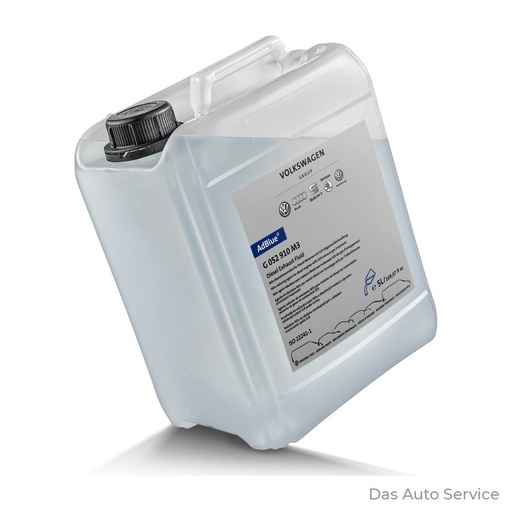
Genuine VAG AdBlue® fluid G052910M4 10l
Genuine AdBlue, 10 litres, for diesel vehicles equipped with an AdBlue system. Used by the system that reduces harmful exhaust emissions.
View in shopRead more
- Pre-purchase inspection
- DPF Problems in City Driving: How to Prevent Blockages
- AdBlue No Start in 1000 km: 2.0 TDI EA288
Frequently asked questions
Diesel or petrol – which is cheaper to run in 2026?
It depends on how you drive. If you cover a lot of kilometres and regularly make long journeys, diesel can be more economical. But if you mainly drive around town, petrol is often the smarter choice because of the maintenance costs.
Is it worth buying a diesel just for city driving?
I wouldn't recommend it. Short journeys make it harder for the DPF to regenerate properly and can also lead to problems with the EGR valve.
How many kilometres a year should I drive to make a diesel worthwhile?
If you drive less than around 15,000–20,000 km a year, mostly in town, I'd choose petrol. If you spend a lot of time on the motorway, diesel makes more sense. But I'd still want to look at the particular car before making that decision.