"Should I get my DPF cleaned or just replace it?" I hear this question all the time at the workshop, usually when the car has lost power, the engine warning light is on or the glow plug light is flashing. The owner is worried because a DPF isn't cheap, and everyone online seems to have a different answer. Some say to run a regeneration, others recommend cleaning, and some reckon the filter is finished. The truth is, DPF cleaning can work brilliantly in some cases, but in others you're just throwing your money away. I'll explain when it's worth doing, when it isn't, and why the most important thing isn't actually the cleaning itself.
What actually builds up inside a DPF?
Think of your DPF as a very fine sieve in the exhaust system. It catches soot from the exhaust gases instead of letting it escape into the air. Over time, that sieve fills up and the car needs to clean it out. But here's the thing! Two very different substances collect inside, and that's where most of the confusion starts.
- Soot – these are the particles produced when diesel burns. They can be burnt off during regeneration, once the temperature inside the filter gets high enough. That's why your car has a system that periodically burns them away.
- Ash – this mainly comes from additives in the engine oil. Unlike soot, ash doesn't burn away during regeneration. It stays inside the filter and gradually takes up space that the exhaust gases need to flow through.
That's why a car can regenerate perfectly normally and still have a blocked DPF. The soot burns away, but the ash stays behind. And the more ash builds up, the less room there is for fresh soot. That's the difference I want you to understand before you pay to have your filter cleaned.
What types of DPF cleaning are available?
Whenever someone tells you, "We'll clean your DPF," my first question is how exactly they plan to do it. Because the same name is used for some very different procedures. Some only remove soot, while others can also get rid of the ash that's built up inside. And that's a massive difference.
- Regeneration while driving – your car raises the temperature inside the DPF and burns off the accumulated soot. This is the normal way the system looks after itself. If you mainly drive short distances, have a read of how to drive with a DPF in the city.
- Forced regeneration using diagnostic equipment – a mechanic starts regeneration through the diagnostic system, provided the conditions allow it. This also burns off soot, but the ash stays inside. It's not a magic fix for every blocked filter.
- Cleaning a removed DPF – the filter is taken off the car and sent to a specialist cleaning centre. There, it's cleaned using a process that can also remove the accumulated ash. This makes sense when the filter itself is in good condition and the problem is simply what's built up inside it.
See the difference? Regeneration burns off soot, but it doesn't give you back the space taken up by ash. So don't assume every procedure advertised as "DPF cleaning" does the same job. First, we need to know what's actually inside the filter.
When does DPF cleaning actually help?
The best situation is when the filter itself is healthy and we've found out why it became blocked. Then we can decide whether regeneration is enough or whether it needs a more thorough clean. If the problem was soot build-up and we've already fixed what caused it, there's a good chance the filter can work normally again.
- The filter is intact – there are no cracks or melted sections, and we've identified what caused the blockage. In that case, cleaning can be a sensible alternative to replacement.
- Too much ash has built up – regeneration won't burn it away, but cleaning the filter after removing it from the car can get rid of it, provided the filter itself isn't damaged.
There's something I really want you to remember. We don't decide to clean a DPF just because a warning light has appeared on the dashboard. First, we look at the diagnostic readings and check the condition of the whole system. Otherwise, we're just guessing with your money.
When won't DPF cleaning help?
Now for the unpleasant bit. Sometimes you can clean a DPF as many times as you like and the problem still won't go away. Not necessarily because the cleaning was done badly, but because the real cause is something completely different. And these are exactly the situations that leave owners coming back for another repair.
- The filter is cracked or melted – cleaning can't repair its damaged internal structure. At that point, you're looking at replacement, not another regeneration.
- The cause of the blockage is still there – faulty injectors, an EGR problem, a sensor fault or constantly driving short distances. If you don't fix the cause, the filter will fill up again. It's a question of when, not if.
- The engine oil has the wrong VW approval – if the oil isn't suitable for an engine fitted with a DPF, it can contribute to more ash building up inside the filter. And regeneration can't burn that ash away.
What really annoys me is when someone recommends DPF cleaning without even checking why the filter became blocked in the first place. That doesn't solve anything. It just puts off your next visit to the workshop. And once again, you're the one paying the bill.
How do we decide whether to clean or replace a DPF?
At Das Auto Service, we don't start by removing the filter, and we certainly don't promise miracles. We start with diagnostics because the engine control unit monitors the DPF system and stores readings and fault codes. Those tell us a lot about what's going on. Then we look for the actual cause instead of just dealing with the symptoms.
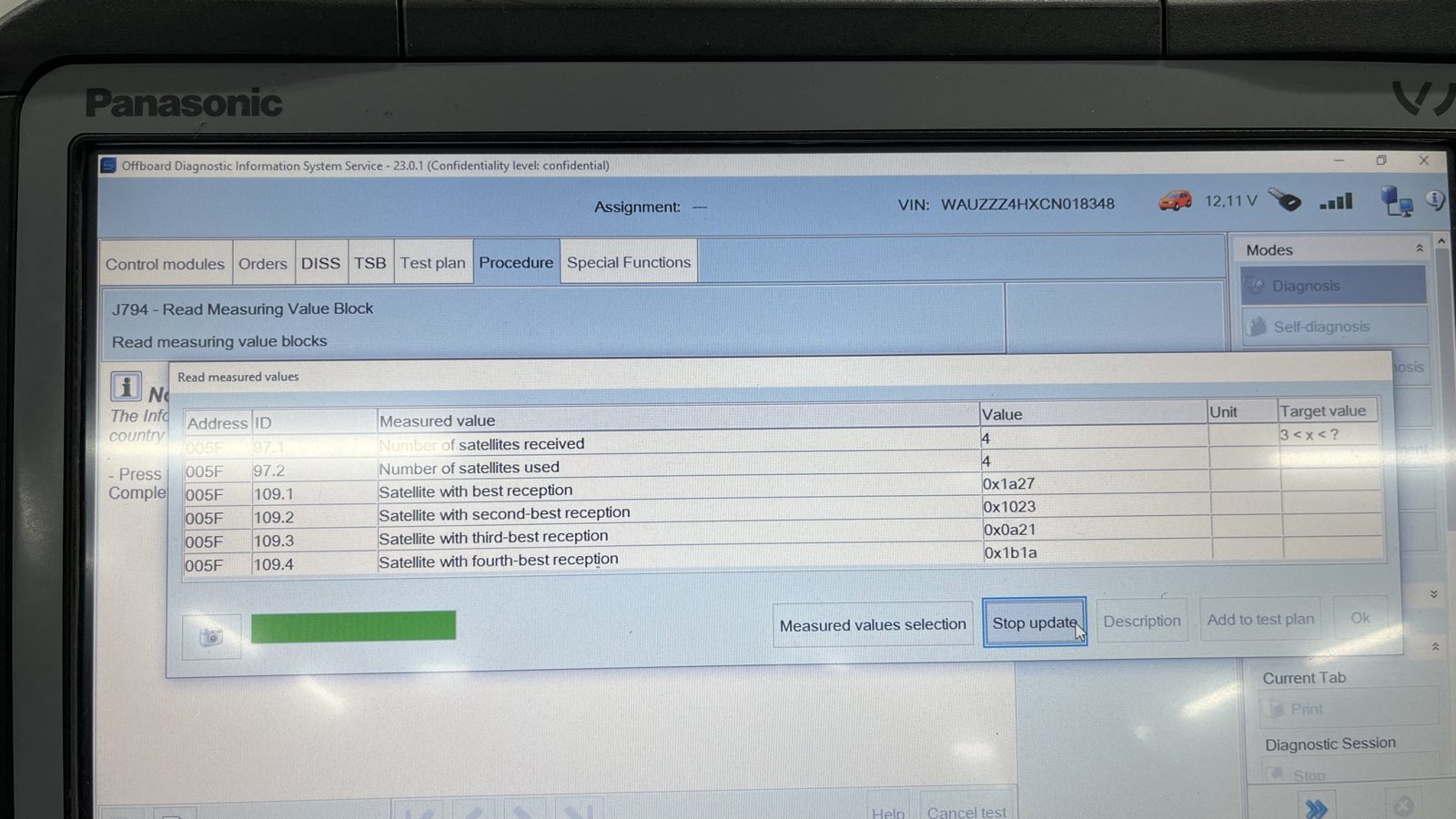
- Read the fault codes and live data – we check what the engine control unit reports for soot and ash levels and whether any faults have been recorded in the system.
- Find the cause of the blockage – we check whether the problem comes from the way the engine is running, the EGR system, the injectors, a sensor or how the car is being driven.
- Choose the right solution – regeneration, cleaning the filter after removing it, or replacement if the DPF is damaged and cleaning won't help.
If you'd like to understand how the whole system works in more detail, have a read of what you need to know about your DPF. The more you understand about your car, the harder it is for someone to talk you into paying for work you don't need.
WARNING! A cleaned DPF can become blocked again very quickly if the original cause hasn't been found and fixed. Don't pay for cleaning until you know why the filter became blocked in the first place.
Tip from Kris Mladenov: Always use engine oil with the correct approval for your engine and DPF system. For cars driven in Bulgaria, I recommend changing the engine oil and all filters – oil, fuel, air and cabin – every 10,000 km or once a year, whichever comes first, regardless of whether you're using LongLife oil. It's one of the simplest things you can do to look after both your DPF and your engine.
I hope you've found this article useful! If you have, I'd love you to share it with a friend who drives a diesel and isn't sure whether to get their DPF cleaned. My mission is simple: when I know something useful, I want more people to know it too. Because making the right decision starts with a little knowledge, and when you pay for a repair you never needed, that money comes straight out of your own pocket.
The solution in our shop
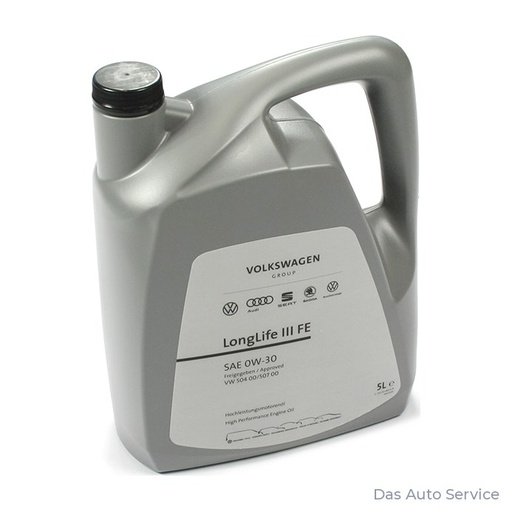
Genuine Longlife III FE 0W30 oil 5L
Genuine LongLife III engine oil with VW 507 00 approval has a low ash content and is designed for engines that require this specification. This helps reduce ash build-up inside the DPF.
View in shopRead more
- Diagnostics
- Routine servicing
- DPF Regeneration Problems: What You Need to Know
- DPF Problems in City Driving: How to Prevent Blockages
Frequently asked questions
Does DPF cleaning actually work?
Yes, provided the filter itself is in good condition and the cause of the blockage has been identified. If the problem is soot or accumulated ash, the right cleaning procedure can help.
How many times can a DPF be cleaned?
There's no fixed number. It depends on the condition of the filter, how much soot and ash have built up, and whether the original cause of the blockage has been fixed.
Should I clean or replace my DPF?
If the filter is in good condition, we first check whether cleaning is an option. If it's cracked or melted, cleaning won't repair the damage and the filter needs replacing.