"My glow plug light is flashing and the car has no power." I hear this all the time at the workshop, especially from owners of diesel VW, Audi, Škoda and SEAT cars. The first thought is usually that a glow plug has failed. But when the glow plug light starts flashing while you're driving, the problem usually has nothing to do with the glow plugs themselves. Your car is telling you that something is wrong with the engine management system. And if it's also lost power, it's probably already in limp mode. Let me explain what that means and why you shouldn't ignore it.
What does a flashing glow plug light mean?
On VW Group TDI diesel engines, the glow plug light on the dashboard has two jobs. One is to show that the glow plugs are heating up before you start the engine. The other is to warn you about a problem with the engine management system. When it starts flashing while you're driving, it's the second one. The engine control unit has detected a fault and is warning you that something isn't working properly.
Very often, a flashing glow plug light comes with a loss of power. You press the accelerator, but the car barely responds. This is what's known as limp mode – the engine control unit limits engine performance to protect it from more serious damage. It's frustrating, but there's a reason for it. And the important thing is to find that reason rather than simply make the warning light disappear.
What are the most common causes of a flashing glow plug light?
This is where things get interesting. The same warning light can come on for several completely different reasons. That's why I don't like diagnoses such as "If the glow plug light is flashing, it must be the turbo." No! First, we need to find out exactly what the engine control unit isn't happy with.
- The turbocharger – one common cause is boost pressure that's outside the expected range. It might be too low or too high. Either way, the car can go into limp mode and lose power. I've explained more in my article about 2.0 TDI turbo problems.
- The mass airflow sensor and pressure sensors – the mass airflow sensor measures how much air enters the engine, while the pressure sensors monitor pressure levels. If they're sending incorrect information, the engine control unit can't manage the engine properly. The result can be a flashing glow plug light and a loss of power.
- EGR and DPF – the EGR system sends some of the exhaust gases back into the engine, while the DPF is the filter that traps soot. When either system develops a fault, the engine may stop running properly. And once again, you see that same flashing glow plug light.
- Fuel injectors and fuel supply – the injectors deliver fuel into the engine. If the fuel isn't being delivered properly or there's a problem with the fuel itself, the engine control unit may detect a fault. Just because the car has lost power doesn't automatically mean the turbo is to blame.
- The glow plugs themselves – yes, they can also be responsible, but they're less often the cause when the light flashes while you're driving. Glow plug problems usually show up when starting a cold engine. If your TDI struggles to start in the morning, read my article on why a TDI struggles to start when cold.
See how many different problems can trigger the same warning light? That's why replacing parts based on guesswork is a bad idea. You could replace the mass airflow sensor, turbo or injectors, only to discover that the fault was somewhere else entirely. You've paid for new parts, but the car still has no power. That's not diagnostics.
Can I drive with a flashing glow plug light?
It depends on how the car is behaving. If the light is flashing but the engine is running relatively normally, you can drive carefully to a workshop. Avoid hard acceleration and don't try to force the car to perform as it normally would. Limp mode isn't something you should try to overcome by pressing the accelerator harder.
IMPORTANT! If your car is producing heavy smoke, has lost a significant amount of power or the engine temperature is rising, stop. Don't keep driving in the hope that the warning light will go out on its own. The problem could become much more serious.
People often ask me whether they can carry on with their journey because the car is still moving. I understand wanting to reach your destination, but that flashing glow plug light isn't there for decoration. It means the engine control unit has detected a fault. Until we know what's causing it, we can't say that continuing to drive for a long distance is safe.
How do we diagnose a flashing glow plug light?
At Das Auto Service, we start with diagnostics, not guesswork. We need to understand why the engine control unit has triggered the warning and what's actually happening inside the engine. Reading the fault codes is the beginning of the investigation, not the end.
- First, we read the fault codes stored in the engine control unit. They tell us what fault has been detected and where to focus our checks. But a fault code doesn't always mean that the component it refers to needs replacing.
- Next, we look at the live data from the engine. We check turbo boost pressure, airflow readings and DPF soot data. This lets us see what the car is actually reporting instead of guessing.
- Finally, when it's safe to do so, we carry out a test drive while recording live data. We monitor how the readings change as the car moves and under what conditions the fault appears. This is often the most important part of the diagnosis.
WARNING! Clearing a fault code is not a repair. The warning light might disappear for a day, but the underlying problem is still there. And when it comes back, putting off the repair could end up costing you much more.
If you want to know which dashboard warning lights need immediate attention and which can wait until you reach a workshop, read my article on Dashboard warning lights: which are serious and which can wait. I've explained how to judge the situation without panicking.
Tip from Kris Mladenov: When the glow plug light starts flashing, try to remember exactly when it happens. Is the engine cold? Does it happen during acceleration or while you're driving on the motorway? Also make a note of whether the car loses power at the same time. That information could save us half the diagnostic work.
I hope you've found this article useful! If you have, I'd be glad if you shared it with a friend who drives a diesel car. My mission has always been simple – when I know something, I want more people to know it too. Because the better you understand your car, the harder it is for someone to convince you to replace parts blindly.
The solution in our shop
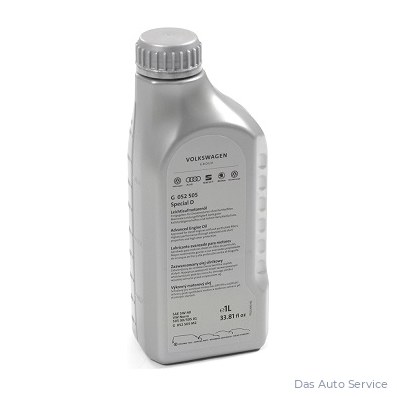
Genuine SpecialD 5W40 Volkswagen diesel oil 1L
SpecialD 5W40 engine oil is designed for TDI engines with unit injectors. What's important is choosing an oil that's suitable for your specific engine, not simply one that says "for diesel engines" on the packaging.
View in shop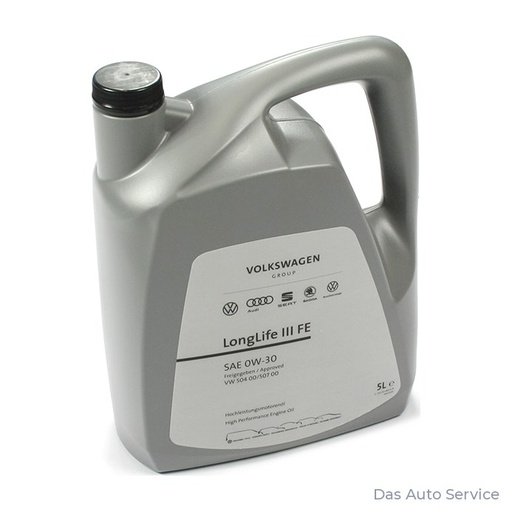
Genuine Longlife III FE 0W30 oil 5L
LongLife III engine oil is suitable for common rail TDI engines that require it. Using the correct oil matters for maintenance, but it won't fix whatever is causing the glow plug light to flash.
View in shopRead more
- Diagnostics
- Dashboard warning lights: which are serious and which can wait
- TDI Glow Plug Problems: Cold Starts and Checks
- 2.0 TDI Turbo Problems: Whistling, Smoke and Power Loss
Frequently asked questions
Why does the glow plug light flash while driving?
Because the TDI engine control unit has detected a fault in the engine management system. The car will often enter limp mode as well, which limits engine power.
Does a flashing glow plug light mean the glow plugs are faulty?
Not necessarily. When the light flashes while driving, it's more often related to the turbo, sensors, EGR, DPF or fuel system. Glow plug problems are more likely to cause trouble when starting a cold engine.
Can I drive with a flashing glow plug light?
If the engine is running relatively normally, you can drive carefully to a workshop. If the car is producing heavy smoke, has lost power or the engine temperature is rising, stop.
Will clearing the fault code fix the problem?
No. Clearing the code might temporarily switch off the warning light, but it won't fix the underlying cause. Proper diagnostics are needed to find out what's wrong.