"Golf 5 2.0 TDI buying guide" is a phrase people often search for when considering a used VW Golf 5. And the question I get asked most often is a simple one: is it worth choosing the 140 PS 2.0 TDI over the familiar 1.9 TDI? If you want more pulling power, particularly when overtaking on the motorway, the answer is yes. But before you pay for a 2003–2008 Golf 5 (1K) with this engine, there is a much more important question: has the cylinder head been checked? This is precisely where the difference can lie between a car you will enjoy driving and a purchase you will quickly regret.
Golf 5 2.0 TDI buying guide: who is it for?
If you spend a lot of time on the motorway, appreciate plenty of pulling power when overtaking and do not want to worry about whether the engine will respond when you need it to, the 2.0 TDI is a logical choice. With 140 PS, the Golf 5 delivers exactly what many owners want from a diesel car: good pulling power and relaxed long-distance driving. You do not need to choose the most powerful version to be satisfied. What matters more is that the particular car is in good mechanical condition.
There is also the 170 PS Golf GT, which naturally looks more appealing if performance is important to you. However, those extra horsepower also mean higher repair costs, particularly when it comes to the fuel system. That is why I would not choose between the 140 and 170 PS versions based solely on how they feel behind the wheel. I look at the car's condition and service history first, and its power output second.
What engines and gearboxes are available in the Golf 5 2.0 TDI?
The 2.0 TDI badge covers several different unit-injector engines, and this is important when choosing a car. They do not all share the same design, nor do they all suffer from the same problems. That is why I always want to know the exact engine code rather than simply being told that the car has a "two-litre diesel". Here are the main versions you are likely to come across:
- 136 PS (100 kW) – AZV, one of the versions available in the model's early years.
- 140 PS (103 kW) – BKD with 16 valves and BMM with 8 valves. There is a significant difference in their design, particularly when it comes to cylinder head problems.
- 170 PS (125 kW) – BMN, used in the Golf GT. This engine has piezo unit injectors, which are more complex and require particular attention.
The gearbox options are a 6-speed manual and the 6-speed DSG DQ250. Both deserve a thorough inspection, but the service history is particularly important with the DSG. I do not consider "the gearbox works fine and has never been touched" an acceptable explanation. I want to know whether the oil has been changed on schedule and how the gearbox behaves during a test drive.
What problems do we see with the Golf 5 2.0 TDI in our workshop?
Why is the cylinder head so important on the BKD and AZV?
On the early 16-valve BKD and AZV engines, the cylinder head is the first major component I check. The reason is that cracks and porosity in the head can lead to coolant loss. The owner notices that the level in the expansion tank keeps dropping. Sometimes bubbles appear, and in certain cases there may also be white smoke. At first glance, it might look like a minor cooling system issue. In reality, it could turn out to be the most expensive engine repair.
That is why I do not start an inspection by asking whether the turbo pulls well or whether the car feels responsive enough. First, I check the cooling system and look for signs of cylinder head problems. If the coolant is disappearing and there is no visible external leak, I do not accept the explanation that it simply needs topping up. A car in this condition needs a thorough inspection before we even consider buying it.
What goes wrong with the unit injectors and their wiring?
On the BKD, the injector itself is not always to blame when the engine starts running badly. More often, the problem lies with the wiring loom inside the cylinder head, which is constantly exposed to oil. This is an important distinction because these symptoms do not automatically mean that the injectors need replacing. The first step is to carry out diagnostics and identify the actual cause.
The situation is different with the 170 PS BMN because its piezo unit injectors are more complex and can fail as the mileage increases. The engine may misfire, run unevenly or go into limp mode. This is precisely why I insist on a documented injector history with this version. If you want to understand more about the design, also read 1.9 and 2.0 TDI Unit Injectors: The Legend and Its Weak Points.
Why do the turbocharger, EGR and DPF cause problems?
On cars driven mainly in town, I often turn my attention to the turbocharger and EGR system. The turbo's variable geometry can stick, while carbon deposits can build up in the EGR system. Owners usually describe the problem in very simple terms: the car does not pull as well as it used to. On versions fitted with a DPF, there is also the possibility of the filter becoming clogged.
I am not a fan of replacing parts based on guesswork. The same complaint can point to different components, which is why proper diagnostics are essential. We check the stored fault codes and how the systems are operating before deciding what actually needs repairing. Otherwise, you could easily end up paying for something that was never the cause of the problem.
How can I recognise a dual-mass flywheel or DSG problem?
The dual-mass flywheel is another component that deserves attention. As it starts to wear, it can rattle and cause vibrations that are difficult to miss. If you hear noises like these, do not dismiss them as a normal characteristic of a diesel engine. I have explained in more detail when a dual-mass flywheel starts rattling.
With the DSG DQ250, regular servicing with the correct oil is essential. If the gearbox jolts, hesitates or changes gear strangely, it needs to be checked rather than ignored. Not every hesitation means a major repair is needed, but it is certainly no reason to buy a car without having it properly checked. With this type of gearbox, the service history and a test drive are essential.
What should I check before buying a Golf 5 2.0 TDI?
When inspecting a Golf like this, I follow a specific sequence. I do not start with its appearance, equipment or how well it accelerates. First, I want to rule out the problems that could make the purchase uneconomical. Here is what we check:
- Check the coolant level and test for combustion gases in the cooling system. This is the first and most important step for the early 16-valve engines.
- Carry out computer diagnostics, including checking injector deviations and stored fault codes relating to the turbocharger and EGR.
- Check for proof that the timing belt kit has been replaced. I never rely solely on the seller's verbal assurance.
- Take the car for a test drive with the engine fully warmed up. I look for smoke, proper pulling power and, if the car has an automatic gearbox, how the DSG behaves.
All these checks are part of our pre-purchase inspection. The aim is not simply to find a fault and write it down on a list. I want you to know exactly what you are buying and whether the car's mechanical condition justifies your decision. After all, a car that looks immaculate can be hiding a problem you would never spot in a car park.
How should I service the Golf 5 2.0 TDI properly?
After buying the car, the most important thing is not to leave servicing to chance. We follow clear service intervals at our workshop, regardless of whether the car is driven mainly in town or on the motorway. With a unit-injector engine in particular, using engine oil with the correct VW approval is essential. It is not enough for the container simply to say that the oil is suitable for diesel engines.
- Engine oil and filters – every 10,000 km or once a year, whichever comes first, regardless of the LongLife service regime. The required VW approval is VW 505 01 for the relevant versions and VW 507 00 for cars fitted with a DPF.
- Timing belt kit with water pump – according to the manufacturer's specified interval. Make sure there is proof that the work has been carried out.
- DSG DQ250 – change the oil every 60,000 km, using genuine oil as required. We always carry out an adaptation after servicing.
- Coolant – we use genuine coolant only and replace it every third heating season.
WARNING! If the coolant level keeps dropping and there is no visible external leak, do not buy a Golf 5 2.0 TDI until the cylinder head has been checked. This is a problem you must not underestimate.
My final verdict on the Golf 5 2.0 TDI
If I had to choose, I would say that a 140 PS Golf 5 2.0 TDI with a checked cylinder head and a documented service history is a good buy. You get the pulling power you are looking for without necessarily having to opt for the more complex 170 PS version. I would be more cautious with the Golf GT featuring the BMN engine and would insist on a clear history for the piezo injectors. I am not saying you should avoid it at all costs, but you need to know exactly what you are buying.
What about a car with no service history that is losing coolant? Walk away. It does not matter how good it looks, how well it drives or how convincingly the seller explains that the problem is minor. With this engine, mechanical condition matters more than anything else. A well-maintained example is worth considering, but a questionable one could end up costing you a fortune.
Advice from Kris Mladenov: With the 2.0 TDI unit-injector engines, I always start by checking the cylinder head and cooling system. Only then do I look at the injectors, turbocharger, flywheel and gearbox. That is the difference between a sensible purchase and risking a major engine repair.
I hope you have found this article useful! If you have, I would appreciate it if you shared it with a friend who is considering buying a Golf 5 2.0 TDI. My mission has always been simple: when I know something, I want more people to know it too, so they can make better decisions about their cars. After all, having the right information before buying can save you a lot of trouble afterwards.
Our recommended products
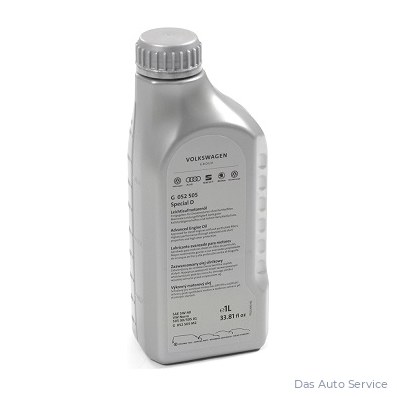
Original SpecialD 5W40 Volkswagen 1L Engine Oil for Diesel Engines
SpecialD 5W40 with VW 505 01 approval is an option for servicing engines that require this specification. Always check the required approval for your particular vehicle.
View in shop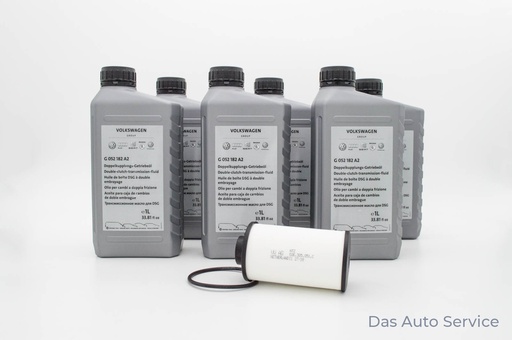
Service kit for the 6-speed DSG, containing the items required to service the gearbox.
View in shop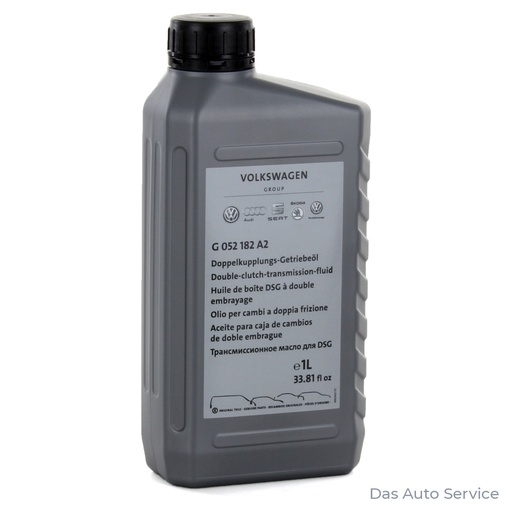
Genuine DSG oil, which we use when carrying out the relevant gearbox service.
View in shopRead more
- Pre-purchase inspection
- Major engine repairs
- 1.9 and 2.0 TDI Unit Injectors: The Legend and Its Weak Points
- DSG DQ250: When Does the Mechatronic Unit Fail and What Should You Do?
- 2.0 TDI: When Does the Dual-Mass Flywheel Start Rattling?
Frequently asked questions
Which is better in the Golf 5 – 1.9 or 2.0 TDI?
If you want more pulling power when overtaking, the 140 PS 2.0 TDI is a good choice. However, I would only choose one with a checked cylinder head and a documented service history.
What are the most common problems with the 2.0 TDI BKD?
The biggest risk with the early 16-valve versions is a faulty cylinder head. We also encounter problems with the injector wiring loom, turbocharger, EGR system and dual-mass flywheel.
Is the Golf 5 GT 2.0 TDI 170 PS worth buying?
Yes, but only if there is a documented history of the piezo unit injectors and the car is in good mechanical condition. Repairs can be more expensive on this version.
How often should the DSG DQ250 oil be changed?
At Das Auto Service, we change the oil every 60,000 km, use genuine oil and always carry out an adaptation after servicing.