"Is the Škoda Fabia 1.2 petrol worth buying?" I hear this question regularly at the workshop. The Fabia is the first car for plenty of young drivers and a small runaround for many families. Cheap to maintain, compact and practical. But! When we talk about Škoda Fabia 1.2 common problems, there's something you need to understand first. Behind that "1.2" badge are two very different engines, with almost nothing in common when it comes to how they drive or what goes wrong. One is a three-cylinder engine without a turbo, while the other has four cylinders and a turbo. And if you're buying a Fabia 1, 2 or 3, that difference matters far more than you might think.
Who is the Škoda Fabia 1.2 suitable for?
If you're looking for a small car for commuting, shopping, driving around town or as your first car, the Fabia 1.2 makes perfect sense. You don't need a big engine to get around town comfortably. Especially if you don't cover many miles and rarely carry a full load. But if you're on the motorway every week with a full boot and every seat occupied, I'd think twice. A small engine has its limits, and there's no point expecting it to perform like a much bigger car.
Which engines and gearboxes does the Fabia 1.2 have?
This is where things get important. Plenty of people look at an advert, see "1.2 petrol" and assume they're all the same. They're not. Before we talk about reliability, we need to know exactly which engine is under the bonnet.
- 1.2 HTP – three cylinders, no turbo, producing between 54 and 70 hp. It uses a timing chain. This is the simpler engine, but it has its weak points.
- 1.2 TSI – four cylinders and a turbo. The Fabia 2 uses a timing chain, while the Fabia 3 uses a timing belt. That difference is very important when choosing a car.
- Gearboxes – manual gearboxes are available, and some 1.2 TSI versions also come with the DSG DQ200 automatic gearbox.
I wouldn't choose a car just because it has a manual or automatic gearbox. First, I want to know which engine it has, how it's been maintained and how it's running now. With a DSG, you also need to check that it changes gear smoothly, without harsh shifts or juddering. A Fabia that looks fantastic in photos might seem like a great buy, but a proper inspection tells you the real story.
What are the Škoda Fabia 1.2 common problems we see?
Timing chain problems on the 1.2 HTP
The main weak point of the 1.2 HTP is its timing chain. When the chain stretches, the engine starts rattling on start-up and sometimes runs unevenly. That's not a noise you should accept as normal just because the engine is small and has three cylinders. The timing chain keeps the engine's moving parts in sync, and when something goes wrong with it, the problem won't fix itself. I've covered this in detail in my separate article about the 1.2 HTP.
Three-cylinder engine vibrations
A three-cylinder engine naturally vibrates more at idle than a four-cylinder engine. To some extent, that's normal and doesn't automatically mean something is broken. But there's a difference between a slight vibration and a car that's noticeably shaking. Engine mounts matter too, as do the ignition coils. So when a Fabia vibrates excessively, I wouldn't simply say "that's how these engines run" without checking what's causing it first.
Timing chain problems on the Fabia 2 1.2 TSI
With the Fabia 2 1.2 TSI, we're back to the timing chain and its tensioner. The typical symptom is a rattling noise during the first few seconds after starting the engine. Plenty of people hear the noise, it disappears, and they decide there's nothing wrong. But those first few seconds are exactly what matters. If you want to know more, read 1.2 and 1.4 TSI: timing chain, tensioner and turbo rattling.
Ignition coils and spark plugs
Another thing we check on these small petrol engines is the spark plugs and ignition coils. If the engine starts misfiring, jerking or the Check Engine warning light starts flashing, don't ignore it. The spark plugs and coils need checking carefully because they're responsible for igniting the fuel properly. Not every misfire means an expensive repair. But hoping the problem will disappear tomorrow isn't going to fix it either.
What should I check before buying a Fabia 1.2?
When buying a used Fabia, I'd start with the engine, not the optional extras. A nice interior and shiny paintwork won't help you if you hear the timing chain rattling the moment you start the engine. That's why there are a few things I'd always check.
- Identify the exact engine – 1.2 HTP or 1.2 TSI. Check the identification plate and documents rather than relying only on what the advert says.
- Start the engine when it's completely cold. Listen carefully for timing chain rattle, especially during the first few seconds.
- Let the engine idle. Check whether the vibrations are normal and whether the engine runs smoothly.
- Check the service history. Find out what maintenance has been carried out and whether there's any record of timing chain problems.
If you're not sure what you're hearing or feeling, it's better to arrange a pre-purchase inspection. That way, you'll know what you're buying instead of finding yourself guessing afterwards.
How should I service my Škoda Fabia 1.2?
Just because the engine is small doesn't mean you can neglect maintenance. Quite the opposite. I'm particular about regular oil changes, especially on engines with timing chains. Clean oil matters for the way an engine works, and there's no reason to leave it in for too long just because someone has specified a long service interval.
- Engine oil and all filters – change every 10,000 km or once a year, whichever comes first. The oil, fuel, air and cabin filters are all replaced together. That's our recommendation for cars driven in Bulgaria, regardless of LongLife servicing. The long factory service intervals are designed around environmental regulations, not the long-term health of your engine.
- Spark plugs – replace them according to the specified requirements and check their condition during servicing.
- Coolant – replace every third heating season.
- Brake fluid – replace every 2 years.
I also recommend a workshop inspection every 6 months. That way, you can catch problems early, before you even notice anything wrong while driving. And if you're considering the newer three-cylinder engine, have a look at 1.0 TSI: vibrations and servicing.
WARNING! A rattling noise when starting a Fabia 1.2 with a timing chain isn't simply "how the engine sounds". It could be a sign of a problem with the chain or its tensioner. Don't ignore it.
What's my verdict on the Škoda Fabia 1.2?
The Fabia 1.2 is a sensible small car, provided you know what you're buying. With the HTP and the Fabia 2 1.2 TSI, I'd pay particular attention to the timing chain. If the chain is in good condition and the engine has been maintained properly, the car makes sense for city driving. Of these versions, my preferred choice would be the Fabia 3 with the 1.2 TSI and a timing belt. But even then, the actual condition of the car matters more than anything promised in the advert.
Tip from Kris Mladenov: Listen to the little engine first thing in the morning, when it's completely cold. If the timing chain rattles, don't accept the explanation that all Fabias sound like that. Either factor the repair into the price negotiation or look for another car. It's better to miss out on one advert than to buy someone else's problem.
I hope you've found this article useful! If you have, I'd appreciate you sharing it with a friend who's looking for a Fabia 1.2. My mission is simple – when I know something, I want more people to know it too. That means more informed car owners and fewer nasty surprises after buying a car.
The solution in our shop

Genuine Longlife III FE 0W30 oil 5L
Genuine LongLife III engine oil is a suitable choice for servicing when it meets the requirements of your particular engine. Regardless of the LongLife name, I recommend changing it every 10,000 km or once a year.
View in shop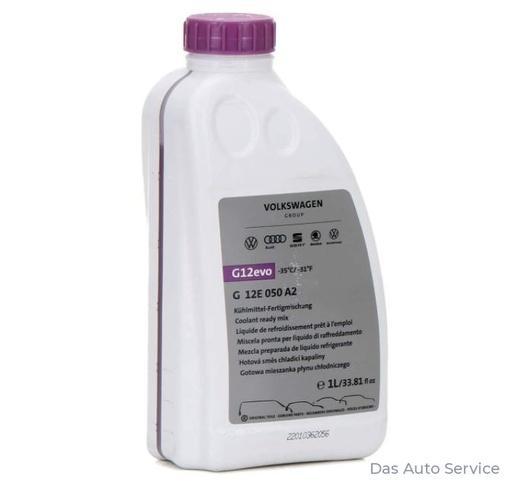
Genuine VAG G12Evo antifreeze G12E050A2 1.0l
Genuine G12evo coolant is suitable for the cooling system when specified for your car. Using the correct coolant and replacing it regularly are both important.
View in shop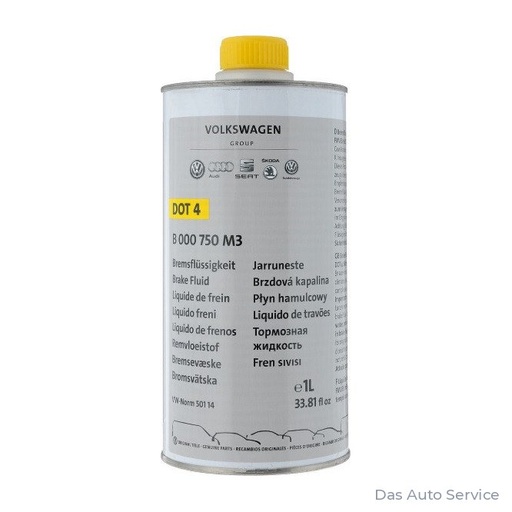
Genuine Audi/Volkswagen DOT 4 brake fluid B000750M3 1l
Genuine DOT 4 brake fluid is used when servicing the braking system. Don't forget to replace it every 2 years.
View in shopRead more
- Pre-purchase inspection
- Engine overhauls
- 1.4 TSI Timing Chain Problems: Rattle and Turbo Noise
- 1.0 TSI Engine Problems: Vibrations and Maintenance
Frequently asked questions
1.2 HTP or 1.2 TSI – which is better?
The 1.2 HTP is the simpler three-cylinder engine without a turbo, while the 1.2 TSI has four cylinders and a turbo. I'd prefer a Fabia 3 with the 1.2 TSI and a timing belt, but only after checking its condition.
What are the common problems with the Fabia 1.2 HTP?
The main problem is a stretched timing chain, which can rattle when starting the engine. Vibrations are another issue, so the engine mounts, spark plugs and ignition coils should also be checked.
What is the fuel consumption of a Fabia 1.2?
It depends on whether you have the HTP or TSI, as well as how you drive and the condition of the engine. I wouldn't promise a particular fuel consumption figure without knowing which version you're looking at.
Is it normal for a Fabia 1.2 to rattle on a cold start?
Don't assume rattling is normal, especially on engines with a timing chain. Have the chain and tensioner checked before carrying on driving as if nothing is wrong.