A big SUV with seven seats, a 2.0 TDI engine and 4x4 – sounds like the perfect family car, doesn't it? Especially when it costs about the same as a car from a smaller class. Whenever someone asks me for a Škoda Kodiaq 2.0 TDI review, I always say the same thing: it's a very good car, but there are a few things you need to know before buying one. We're talking about the Kodiaq from 2016 onwards, with the EA288 engine producing either 150 or 190 bhp. I'll show you what we look for at the workshop, where the weak points are and how to stop a great family purchase turning into one repair bill after another.
Who is the Škoda Kodiaq 2.0 TDI right for?
If you've got a big family, enjoy trips to the mountains or need to tow something, the Kodiaq is definitely worth a look. You get a spacious SUV, the option of seven seats and the familiar 2.0 TDI engine you'll also find in other VW Group cars. The 4x4 version is particularly appealing if you drive on different types of roads and want four-wheel drive. But remember one thing: the harder a car works, the more important it is to look after it properly.
What automatic gearbox and 4x4 system does the Kodiaq have?
There are two important things I want to talk you through here. One is the automatic gearbox, and the other is the system that brings the rear wheels into action. Both are great when they're working properly. But both need regular servicing.
- Seven-speed DSG with wet clutches – an automatic gearbox where the clutches operate in oil. That oil is essential for the gearbox to work properly, so don't neglect it.
- 4x4 with fifth-generation Haldex – a clutch-based system that sends drive to the rear wheels when needed. It has its own oil, which also needs changing regularly.
I often hear people ask, "If the gearbox changes smoothly and the 4x4 works, why bother changing the oils?" Because you don't service a car only after something breaks. You service it to stop things breaking in the first place. It's that simple.
Škoda Kodiaq 2.0 TDI review: what problems do we see?
AdBlue – why shouldn't you ignore it?
One thing you need to understand about the 2.0 TDI EA288 is its AdBlue system. It helps reduce harmful exhaust emissions, but when something goes wrong, it can cause a serious headache. One particularly unpleasant warning tells you that, after a certain distance, the engine won't start again. And at that point, we're talking about much more than a warning light on the dashboard. I've explained exactly what this means in my guide to AdBlue problems on the 2.0 TDI EA288.
Haldex – why is the oil so important?
The Kodiaq 4x4 uses fifth-generation Haldex, and my recommendation here is very clear: change the Haldex oil every 30,000 km. We service the rear differential at the same time. Don't wait until the system starts playing up before remembering there's oil inside it. If you want to understand how the different generations compare, have a read of my guide to Haldex generations 1 to 5.
DSG – what should you know about the automatic gearbox?
"The gearbox isn't jerking, so everything must be fine." I hear that a lot, but it's not enough. A DSG gearbox with wet clutches needs regular oil changes, even when every gear change feels perfectly smooth. At Das Auto Service, we change the oil every 60,000 km, use genuine oil and always carry out a gearbox adaptation afterwards. If you'd like to know more, read my guide on servicing the DSG DQ381 and DQ500.
EGR and DPF – does it have the usual TDI problems?
Yes, and the Kodiaq is no special exception here. The EA288 engine has an EGR and a DPF – two systems that deal with exhaust gases. The EGR sends some of those gases back into the engine, while the DPF traps soot. If the engine management light comes on or the DPF starts having trouble regenerating, don't just rush to clear the fault codes. First, you need to find out why they appeared.
What should I check before buying a Kodiaq 2.0 TDI?
If you've spotted a Kodiaq you like in the classifieds, don't rush to put down a deposit just because it looks good and the mileage seems attractive. I want to see how the important systems are working and what's actually been serviced over the years. Here are the three things I'd pay particular attention to.
- AdBlue and NOx sensors – check for fault codes and problems with the exhaust emissions treatment system.
- Haldex – test whether the rear-wheel drive system actually works properly, rather than just checking that the boot badge says 4x4.
- DSG – check the service history, how the gearbox behaves and whether its oil has been changed on time.
These checks can save you some very unpleasant surprises. I'm not saying every Kodiaq has these problems. I'm saying you need to know what you're buying. That's why I always recommend a pre-purchase inspectionbefore you hand over your money.
How should I service my Škoda Kodiaq 2.0 TDI?
There's nothing complicated here, as long as you stick to the service intervals. I'm not a fan of driving as far as possible on the same engine oil just because it says LongLife somewhere. Manufacturers' recommendations also take environmental regulations into account, but my job is to protect your engine. That's why, for cars driven in Bulgaria, here's what I recommend.
- Engine oil and all filters – every 10,000 km or once a year, whichever comes first, regardless of the oil used. We change the oil filter, fuel filter, air filter and cabin filter together, every time.
- DSG – change the gearbox oil every 60,000 km using genuine oil, followed by a mandatory gearbox adaptation.
- Fifth-generation Haldex and rear differential – change both oils every 30,000 km.
If you want everything laid out clearly in one place, take a look at my Škoda Kodiaq 2.0 TDI service schedule. That way, you'll always know what's been changed and what's coming up next. I also recommend bringing your car into the workshop for an inspection every six months. It's much better to spot something early than wait until it leaves you stranded at the side of the road.
IMPORTANT! The Kodiaq is a big, heavy car, and that puts extra strain on both the automatic gearbox and the Haldex system. Oil change intervals aren't optional. Skip them and you're risking expensive repairs that could have been avoided.
Is the Škoda Kodiaq 2.0 TDI worth buying?
In my opinion, yes. The Kodiaq 2.0 TDI is an excellent family SUV, especially if you need plenty of space, seven seats and 4x4. Both the 150 and 190 bhp versions are worth considering, but I'd focus mainly on the condition and service history of the particular car you're looking at. A properly serviced DSG and Haldex, a checked AdBlue system and a clear service history matter far more than the lovely photos in the advert.
Tip from Kris Mladenov: If you're looking at a Kodiaq 4x4, my first question to the seller would be, "When was the Haldex oil last changed?" Then I'd ask for the DSG service history and check the AdBlue system. Don't buy a car based on mileage alone. Buy based on its condition and proven maintenance history.
I hope you've found this article useful! If you have, I'd really appreciate you sharing it with a friend who owns a Kodiaq or is thinking about buying one. My mission is simple: when I know something useful, I want more people to know it too. Because having the right information today could save you a very expensive repair tomorrow.
The solution in our shop
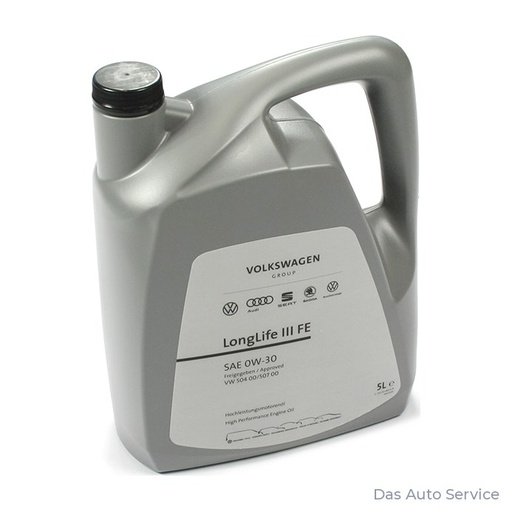
Genuine Longlife III FE 0W30 oil 5L
Genuine LongLife III engine oil for servicing your engine. Despite the LongLife name, I recommend changing it every 10,000 km or once a year, whichever comes first.
View in shop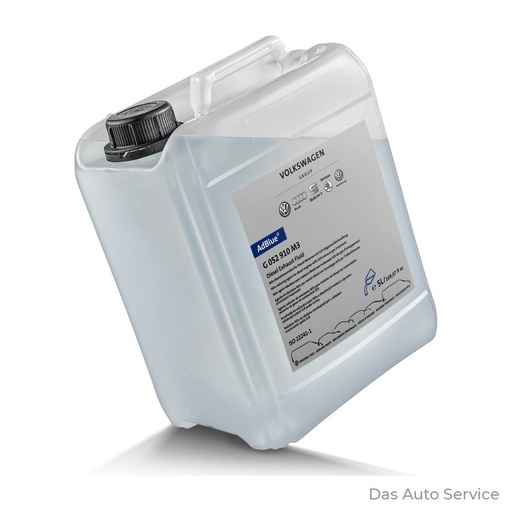
Genuine VAG AdBlue® fluid G052910M4 10l
Genuine AdBlue, 10 litres, for the exhaust emissions treatment system. Suitable for topping up when your car needs more AdBlue.
View in shop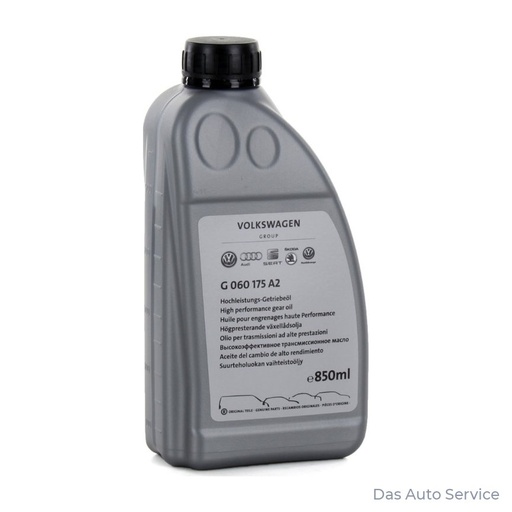
Genuine Haldex oil G060175A2 850ml
Genuine oil for fifth-generation Haldex. Used when servicing the clutch system that drives the rear wheels.
View in shopRead more
- Pre-purchase inspection
- Routine servicing
- Škoda Kodiaq 2.0 TDI Service Schedule
- Haldex Service Intervals: Generations 1 to 5
- AdBlue No Start in 1000 km: 2.0 TDI (EA288)
Frequently asked questions
What are the common problems with the Škoda Kodiaq 2.0 TDI?
The main things we check are the AdBlue system and NOx sensors, EGR, DPF, DSG gearbox and Haldex on 4x4 versions. Not every car has these problems, which is why proper diagnostics are so important.
Should I choose the Kodiaq 2.0 TDI with 150 or 190 bhp?
Both versions are worth considering. Personally, I'd choose the car with the better service history and mechanical condition rather than focusing purely on horsepower.
How often should I change the Haldex oil on a Kodiaq?
For fifth-generation Haldex, I recommend changing the oil every 30,000 km. We service the rear differential at the same interval.
How often does the Kodiaq DSG gearbox need servicing?
At Das Auto Service, we change the DSG gearbox oil every 60,000 km using genuine oil. We always carry out a gearbox adaptation after the service.