The VW Golf 4 1.9 TDI buying guide is something plenty of people look for when they're thinking about buying an old Golf. And I can see why. For many drivers, this was their first experience with a diesel engine. For others, it's still the trusty car they use every day. But here's the thing! There's a huge difference between a well-kept Golf 4 and one that's going to empty your wallet. I'll explain which engines are worth considering, where their weak points are and what you should check before handing over your money.
Who is the Golf 4 1.9 TDI suitable for today?
The VW Golf 4 (1J) was built from 1997 to 2004, which means even the newest examples are now more than 20 years old. It can still make a good first car, something for getting around town, a runabout for the countryside or a car for someone who likes keeping an eye on its condition. But there's something really important you need to understand. You're no longer buying just a Golf 4. You're buying one particular car with its own history. A well-kept example matters far more than the badge or all those stories about how bulletproof these engines used to be.
Which 1.9 TDI engines came in the Golf 4?
This is where things get interesting, because not all 1.9 TDI engines are the same. There are two main types: engines with a rotary distributor injection pump, known as VE, and engines with unit injectors, which we call PD. And the difference isn't just horsepower. They have different weak points and different engine oil requirements.
- VE distributor pump engines: ALH and AGR – 90 hp, AHF and ASV – 110 hp.
- PD unit injector engines: ATD and AXR – 100 hp, AJM and AUY – 115 hp, ASZ – 130 hp, ARL – 150 hp.
You can find the engine code on the identification sticker and on the engine block itself. Don't just trust what's written in the advert. Especially when the seller tells you all 1.9 TDIs are the same and it doesn't matter which one you buy. It does matter. And you'll soon understand why when the time comes for servicing or repairs.
What are the common VW Golf 4 1.9 TDI problems?
The distributor injection pump – ALH, AGR, AHF and ASV
On these engines, we often come across fuel pump seal leaks, difficult starting when the engine is warm and rough idling. The owner usually tells me, "It starts fine in the morning, but once it's warm, it takes longer to fire up." This isn't the time to start replacing parts and hoping for the best. You need someone who understands how the injection pump works and knows how to test it properly. Guesswork rarely ends well.
PD unit injectors – ATD, AXR, ASZ and ARL
PD engines give you more power, but they also put more strain on the camshaft and injectors. Choosing the correct engine oil is especially important here, because using the wrong specification can leave you facing a serious repair bill. The injector wiring is another thing worth checking when the engine starts running unevenly. Simply clearing the fault codes and telling you everything is fine isn't good enough. If you'd like to understand these engines better, have a read of 1.9 and 2.0 TDI PD engines: the legend and its weak points.
The mass airflow sensor and turbocharger
"It's got no power, Kris!" I've heard that one more times than I can count with older TDIs. Sometimes the car goes into limp mode. Other times, it blows black smoke and just doesn't pull like it used to. Quite often, the problem is the mass airflow sensor, which measures the air entering the engine, or the turbo's variable geometry mechanism getting stuck. But don't rush into replacing the turbocharger before we've checked what's actually going on.
Glow plugs and difficult starting
If the engine takes a long time to start in the morning, struggles to fire up or the glow plug warning light flashes, we need to check the glow plugs and their relay. These are the parts that help a diesel engine start in cold weather. There's no need to jump straight into expensive repairs. Test first, replace second. I've explained this in more detail in TDI difficult cold starting: glow plugs and checks.
What should I check before buying a Golf 4 1.9 TDI?
With a car this old, appearances can be very misleading. A spotless interior and a nice set of alloy wheels don't mean the engine is healthy. If I were buying one, these are the checks I'd make before even thinking about handing over the money.
- Check the sills, floor and bodywork for rust and signs of accident damage. A solid body is the foundation of everything else.
- Run a diagnostic scan. We check stored fault codes, mass airflow sensor readings and turbo boost pressure.
- Check the timing belt. When was it last changed, and is there proof? This is particularly important on PD engines.
- Start the engine both cold and warm. I want to see how it behaves in both situations.
- Inspect the fuel pump and the underside of the engine for leaks. Don't assume every oil leak is normal just because the car is old.
These are exactly the things we look at during our pre-purchase inspectionat Das Auto Service. Because it's much better to know what you're buying than to find yourself wondering where to start with the repairs afterwards.
How should I service my Golf 4 1.9 TDI?
An old diesel can still serve you well, but only if you don't assume that being legendary means it doesn't need looking after. That's the biggest mistake people make. Here's what I recommend.
- For cars driven in Bulgaria, change the engine oil and all filters – oil, fuel, air and cabin – every 10,000 km or once a year, whichever comes first, regardless of the oil used. On PD engines, the oil must meet the VW 505 01 specification.
- Replace the timing belt kit and water pump according to the manufacturer's service interval. If the service history is unclear, don't wait. Replace them straight away.
- Pay particular attention to the fuel filter before winter, but remember that we replace it together with all the other filters at every engine oil service, every 10,000 km or once a year.
- Change the brake fluid every 2 years. Don't forget about it just because the brakes still seem to work normally.
WARNING! If the timing belt snaps on a PD engine, you could be looking at a complete engine rebuild. Don't gamble on "I'll change it next year" when you have no proof of when it was last replaced.
Is the Golf 4 1.9 TDI still worth buying today?
Yes, but only if you find one with a solid body, a healthy engine and a clear service history. The Golf 4 can still be a good, affordable everyday car. But buy a rusty example with an unknown maintenance history, and the repairs could quickly cost more than the car itself. So don't choose one just because of its horsepower or the reputation of the 1.9 TDI. Choose it for its condition.
Tip from Kris Mladenov: If you've found a Golf 4 1.9 TDI you like, check the bodywork and timing belt first. Everything else comes afterwards. Don't fall in love with the advert before you've actually checked the car. A healthy, properly maintained 1.9 TDI can still repay every penny you put into it.
I hope you've found this article useful! If you have, I'd really appreciate you sharing it with a friend who owns a Golf 4 or is thinking about buying one. My mission is simple: when I know something useful, I want more people to know it too. Because I'd much rather help you avoid a repair than watch you pay for a mistake you could have prevented.
The solution in our shop
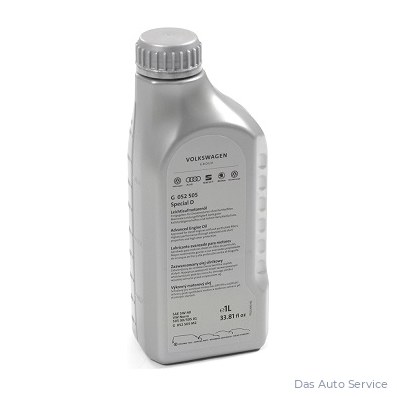
Genuine SpecialD 5W40 Volkswagen diesel oil 1L
Engine oil meeting the VW 505 01 specification for PD unit injector engines. Using the correct specification is especially important for protecting the camshaft and injectors.
View in shop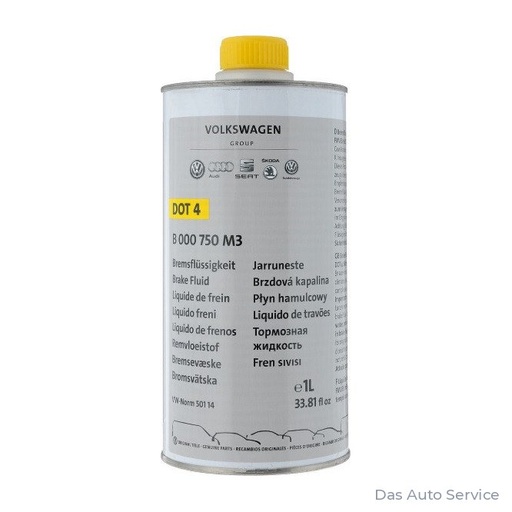
Genuine Audi/Volkswagen DOT 4 brake fluid B000750M3 1l
Genuine DOT 4 brake fluid. Use it when replacing the brake fluid as part of your regular 2-year maintenance.
View in shopRead more
- Pre-purchase inspection
- Diagnostics
- 1.9 and 2.0 TDI PD engines: the legend and its weak points
- TDI Glow Plug Problems: Cold Starts and Checks
Frequently asked questions
Which Golf 4 1.9 TDI engine is the most reliable?
I wouldn't choose based on the engine code alone. ALH and AGR use a distributor injection pump, while ASZ and ARL are more powerful PD unit injector engines. What matters most today is the car's actual condition and its service history.
What's the difference between ALH and PD engines?
ALH uses a rotary distributor injection pump, while PD engines have individual unit injectors. The camshaft works harder in PD engines, which makes using the correct engine oil especially important.
Is the Golf 4 1.9 TDI still worth buying today?
Yes, provided you buy one without serious rust, with a healthy engine and a proven service history. If you don't know how it's been maintained, you risk spending more on repairs than the car is worth.
How often should I change the oil in a Golf 4 1.9 TDI?
For cars driven in Bulgaria, I recommend changing the engine oil and all filters – oil, fuel, air and cabin – every 10,000 km or once a year, whichever comes first, regardless of the oil used. For PD unit injector engines, use oil meeting VW 505 01.