“Golf 4? Are people still driving those?” I hear that quite often. The truth is, this model is over 20 years old, and there are still thousands of them on the road. They still come into our workshop with the same old problems, too. Windows dropping into the doors, central locking with a mind of its own, dashboard instruments that stop working and engines that sometimes don't pull as they should. If you're looking into VW Golf 4 common problems before buying one, I'll show you exactly where to look. Because an old car can serve you well for years, but it can also empty your wallet if you buy it with your eyes closed.
What are the most common VW Golf 4 problems apart from the engine?
Age is really starting to show on the Golf 4. And I'm not just talking about the engine. There are a few areas we know very well at Das Auto Service because we see the same faults on car after car. The good news is that you can spot most of them during your first inspection. You just need to know what to look for.
- Electric windows. You press the switch, hear the mechanism working, but the glass doesn't move. Sometimes it drops straight into the door. A snapped cable inside the window regulator is often the culprit. Don't just check whether the switch lights up. Test every window all the way down and all the way back up.
- Comfort control module. This is the little brain that controls the central locking and some of the car's convenience features. When it starts playing up, the windows and locking system seem to go completely mad. They work one minute and refuse the next. Before long, the owner starts wondering whether the car has developed a personality of its own.
- Instrument cluster. The needles and display can stop working. Imagine driving along without being able to trust the instruments in front of you. That's more than just an annoying little fault. When inspecting a car, check that everything on the dashboard works properly. Don't stop at making sure the engine starts.
- Heater blower resistor. You switch on the heater fan, but it only works at certain speeds. This is one of those faults that's easy to miss when you're looking over a car in a hurry. Run the fan through every speed setting. It takes seconds and could save you an unpleasant surprise.
- Rust. Look carefully around the wheel arch edges, sills and tailgate, especially if the car has been involved in an accident that wasn't repaired properly. We're no longer talking about a faulty switch or a minor electrical problem. We're talking about the body itself. And rust is something I never like to underestimate.
What engine problems should you watch for on a Golf 4?
Now we come to the question everyone asks me: “Kris, which engine should I go for, and what should I watch out for?” The truth is, with a car this old, its condition and service history matter far more than stories about how bulletproof a particular engine is. Both the diesel and petrol versions have their weak points. Don't buy a car just because an engine has a good reputation. Buy it based on the actual condition of the car in front of you.
- 1.9 TDI. The old favourite that people still argue about on forums. The mass airflow sensor, injectors and timing belt are all worth checking. If the engine isn't pulling properly, don't just accept someone's explanation without a proper diagnostic check. I've covered the unit injector versions in detail in 1.9 and 2.0 TDI Unit Injectors – The Legend and Its Weak Points.
- Petrol engines. Here, we're looking at ignition coils, sensors and vacuum leaks. If the engine shakes, runs unevenly or the engine management warning light comes on, you need to find the cause, not simply clear the fault codes. A proper diagnostic check will tell you far more than someone saying, “They all run like that.”
- Oil leaks. Seals get old, and leaks come with age. Inspect the engine carefully, and don't automatically assume that oil around the engine is normal just because the car is old. There's a big difference between a slight oil stain and a problem waiting for its next owner. And guess who's going to pay for that repair once you've bought it?
My recommendation for engine oil is simple: change it together with the oil, fuel, air and cabin filters every 10,000 km or once a year, whichever comes first. This applies to cars driven in Bulgaria, regardless of the oil used or the LongLife service intervals. Manufacturers have environmental targets to meet, too, but my priority is keeping your engine healthy. On an older car, regular servicing matters even more.
What should I check before buying a Golf 4?
If you've found a Golf 4 you like, don't start by admiring how nice the interior looks. Start with the things that could turn your purchase into one repair after another. These are the checks I'd carry out before even discussing whether the car is worth buying. And I wouldn't skip a single one.
- Rust and accident damage. Inspect the wheel arches, sills and tailgate. Look for signs of previous repairs and areas where corrosion has already started.
- Electronics. Test every electric window, the central locking and the instrument cluster. Don't accept “It's just a switch” as an explanation. First, you need to find out exactly what's not working.
- Timing belt. Ask for proof of when it was last replaced. Not just someone's word, but a service history you can actually rely on. If there's no proof, you need to take that into account before buying the car.
- Engine diagnostics. Connect the car to a diagnostic tester and see what it tells you. Starting the engine and taking it for a quick drive around the block isn't enough. You need to know what you're buying.
These are exactly the things we check during our pre-purchase inspection. We're not trying to spoil the excitement of getting a new car. We want you to know what condition it's really in before you hand over your money. Because once you've bought it, every problem you discover becomes your responsibility.
IMPORTANT! On an older car, repair bills can pile up one after another. Don't look at each fault in isolation. Add up everything that needs fixing. Do that calculation before you pay for the car, not afterwards.
Is a Golf 4 still worth buying today?
My verdict is simple. A Golf 4 can still be a good, cheap car if the body is sound and the engine has a clear service history. Minor electrical faults can be fixed, but rust is a completely different story. So don't fall in love with the first shiny example you see. Look beyond the nice paintwork and find out what's underneath. A well-maintained old car is a much smarter buy than a neglected one that only looks good.
Tip from Kris Mladenov: With a Golf 4, check the rust and timing belt first. Minor electrical faults are usually easier to sort out, but a solid body and a documented engine history are what make a good purchase. If you're not confident about judging the car's condition yourself, book a pre-purchase inspection. That way, you'll know exactly what you're getting into.
I hope you've found this article useful! If you have, I'd really appreciate you sharing it with a friend who drives a Golf 4 or is thinking about buying one. My mission has always been simple: when I know something useful, I want more people to know it too. Because getting the right information at the right time can save you a lot of headaches and a lot of money out of your own pocket.
The solution in our shop
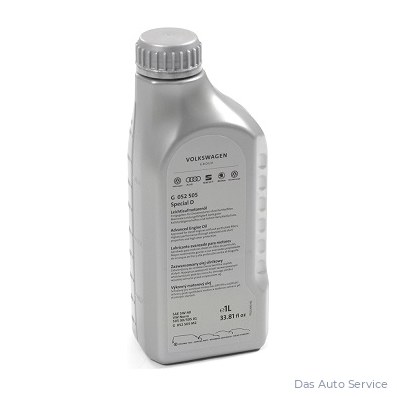
Genuine SpecialD 5W40 Volkswagen diesel oil 1L
Oil meeting the VW 505 01 specification for TDI engines with unit injectors. Using the correct oil specification is important when servicing these engines.
View in shop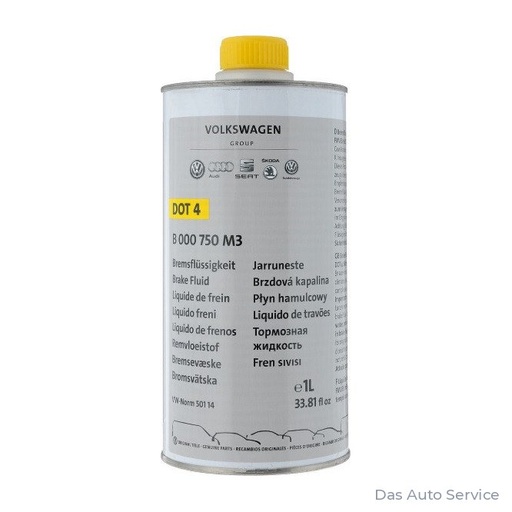
Genuine Audi/Volkswagen DOT 4 brake fluid B000750M3 1l
Genuine DOT 4 brake fluid. Change your brake fluid every 2 years, because your brakes are the last place you should be cutting corners.
View in shopRead more
- Pre-purchase inspection
- Electrical faults and control modules
- 1.9 TDI PD Common Problems and Weak Points
Frequently asked questions
What are the most common Golf 4 problems?
Electric window regulators, the comfort control module, instrument cluster, heater blower fan and rust are among the most common problems. Depending on the engine, you should also check the mass airflow sensor, injectors, timing belt, ignition coils, sensors and oil leaks.
Why do Golf 4 windows drop into the doors?
A common cause is a snapped cable inside the electric window regulator mechanism. That's why you should test every window all the way down and back up when inspecting the car.
Is a Golf 4 still worth buying today?
Yes, provided the body is sound, there's no serious rust and the engine has a clear service history. Before buying, check the electronics, timing belt and engine so you don't end up paying for problems you could have spotted beforehand.