VW Golf 7 R Service Schedule
Think your Golf 7 R doesn't need servicing just because there are no warning lights on the dashboard? That's where a lot of owners go wrong. We're talking about 300 horsepower, 4Motion all-wheel drive and a gearbox designed to handle serious loads, but one that won't forgive neglected maintenance. The onboard computer might show a LongLife service interval, making you think you've still got plenty of miles to go. Not so fast! That's why I've put together this VW Golf 7 R service schedule, explaining what's involved and what I recommend based on our experience at Das Auto Service.
This information applies to the following versions:
- VW Golf 7 R from late 2013 until the facelift – 2.0 TSI with 300 hp
- VW Golf 7.5 R from the 2017 facelift onwards – 2.0 TSI with 310 hp
- Third-generation 2.0 TSI engine from the EA888 family
- Before the facelift – 6-speed manual gearbox or 6-speed DSG DQ250 with wet clutches
- After the facelift – 7-speed DSG DQ381 with wet clutches
- 4Motion all-wheel drive with a fifth-generation Haldex clutch
You'll find the engine and gearbox codes on the sticker in the service book or boot. Check them before ordering parts. If you're thinking of buying one of these cars, have a read of VW Golf 7 GTI and Golf 7 R – what to check before buying.
VW Golf 7 R service schedule: which engine oil and when?
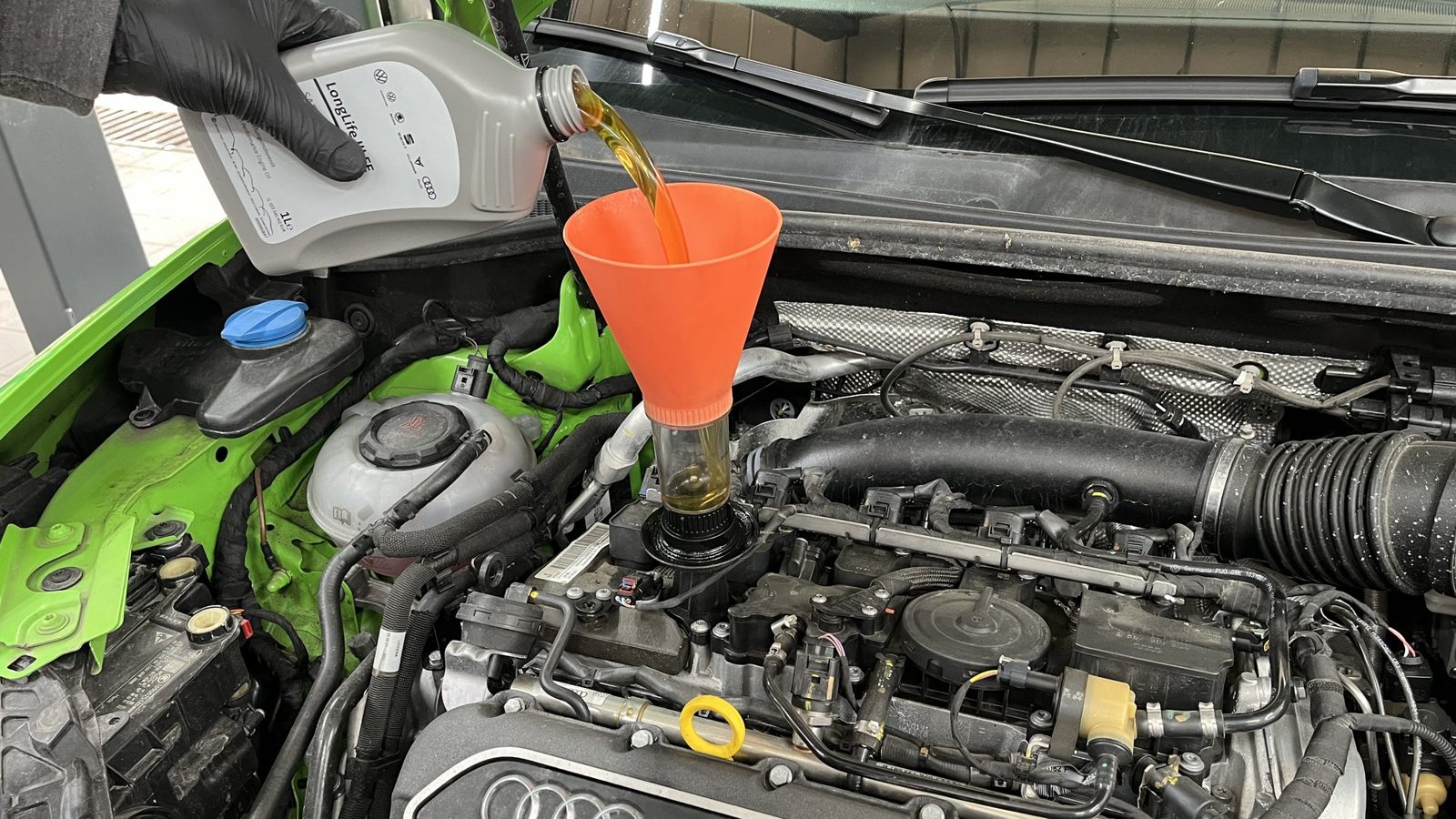
For this engine, we use genuine engine oil meeting VW 504 00. That's the specification the car left the factory with. Before changing the oil, we check the engine code to make sure we're using the correct product. We don't mix different oils or pour in whatever happens to be left in a drum.
Under the LongLife service regime, the interval can be as long as 30,000 km or 2 years. I recommend changing the engine oil every 10,000 km or once a year, whichever comes first, regardless of what the dashboard says! The turbocharger operates at high speeds and temperatures, and the oil is what protects it. Add city driving, traffic jams and Bulgaria's cold winters to the equation. The money you save on an oil change today could easily turn into a repair bill tomorrow.
Which filters should I replace with the engine oil?
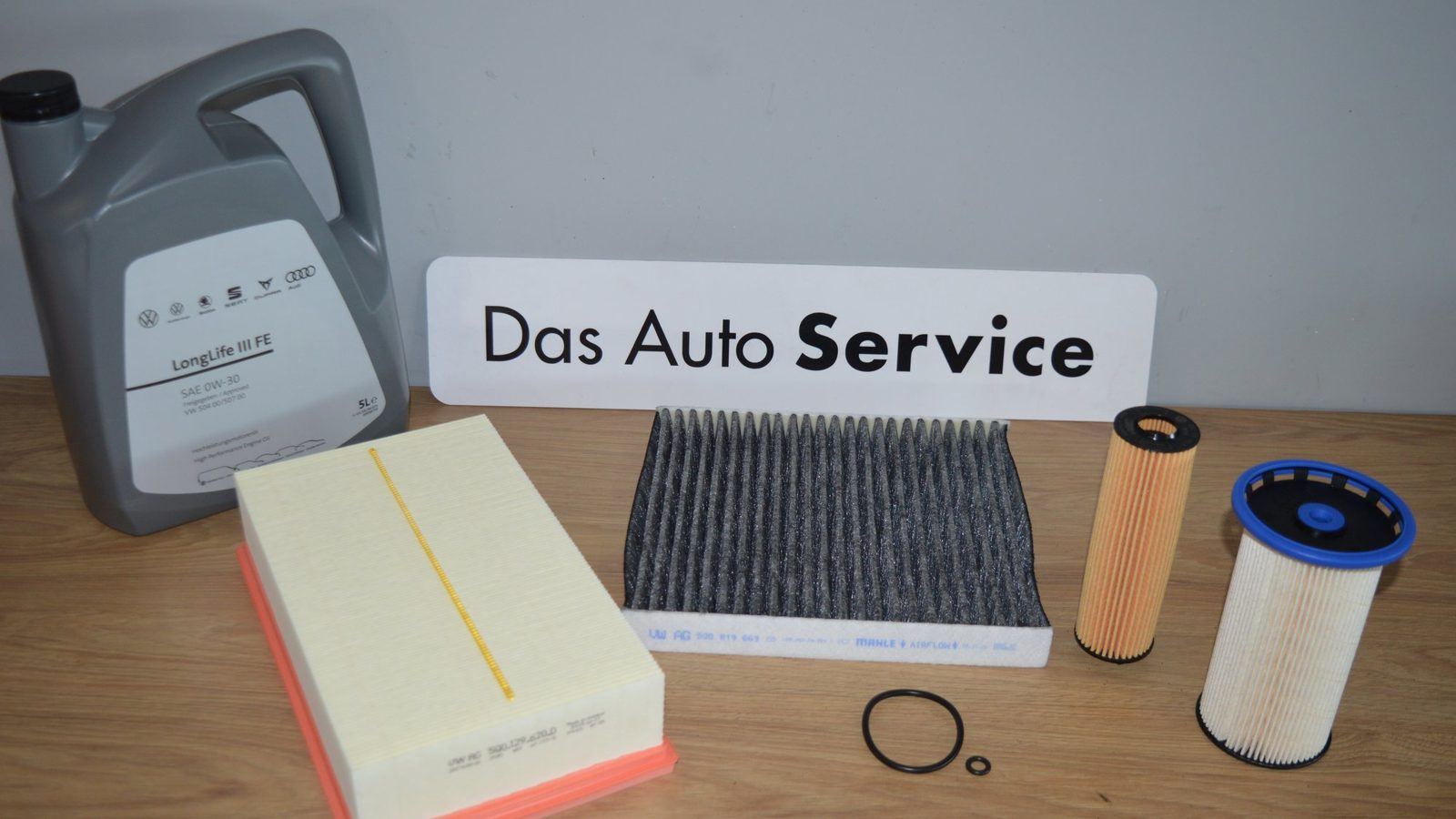
At our workshop, we replace all the filters alongside the engine oil every 10,000 km or once a year. We don't divide them into those that need changing now and those that can wait a bit longer. Here's what's included in the service:
- Oil filter – at every engine oil change, without exception
- Air filter – together with the engine oil, because this is where the turbocharger draws its air from
- Cabin filter – together with the engine oil
- Crankcase ventilation filter – every 60,000 km
We replace the spark plugs according to the manufacturer's service schedule and check for misfires during servicing. If the engine is shaking, lacking power and the Check Engine light is flashing, we start by checking the ignition coils and spark plugs. We don't replace parts based on guesswork. I've explained more in 1.8 and 2.0 TFSI: ignition coils and spark plugs – when do they cause problems?.
How should I service the DSG gearbox in my Golf 7 R?
Before the facelift, the Golf 7 R came with the DSG DQ250, while facelift models use the DQ381. Both gearboxes have wet clutches that operate in oil. You'll sometimes read in owners' groups that this oil lasts for the lifetime of the gearbox. I've yet to come across an oil that does. We change it every 60,000 km using genuine oil and a new filter, and always carry out clutch adaptation after the service.
The mechatronic unit is the brain of the gearbox. Old, contaminated oil does it no favours, especially when the clutches are dealing with the demands of more than 300 horsepower. If the gearbox shifts harshly or judders when pulling away, we start by reading the fault codes and checking live data. We don't immediately order a new mechatronic unit. You'll find the details in the DSG DQ250 guide and the DSG DQ381 and DQ500 guide.
WARNING! Don't let anyone replace the mechatronic unit or clutches based on guesswork. Start with diagnostics, live data checks and adaptation. If the diagnosis is wrong, you're the one paying the bill, not the workshop.
What servicing does the 4Motion Haldex Gen5 system need?
The Golf 7 R uses a 4Motion system in which the rear axle is engaged through a fifth-generation Haldex clutch. The Haldex clutch has its own oil, while the rear differential uses a separate oil. We change both every 30,000 km. If the Haldex oil becomes contaminated, the pump starts to suffer and the rear-wheel drive system may stop working properly. That's when you discover your car is behaving almost like a front-wheel-drive model. And you usually find out just when you need the extra traction. Have a read of what you need to know about Haldex Gen5.
Does the 2.0 TSI engine have a timing belt or chain?
A timing chain. There's no fixed replacement interval, but that doesn't mean it lasts forever. At every major service, we use a diagnostic tester to check for chain stretch using the measuring blocks. We don't wait for the engine to start rattling on a cold start. I've shown how it's done in the guide to checking the timing chain on 1.8 and 2.0 TFSI engines.
Another weak point is the plastic housing of the water pump and thermostat. Over time, it can start leaking coolant. That's why we look for signs of leakage at every inspection, even if the engine isn't overheating. I've covered the problem in detail in the article about water pump and thermostat leaks.
When should I change the brake fluid and coolant?
We change the brake fluid every 2 years. It absorbs moisture, which lowers its boiling point, and under heavy braking the pedal can start to feel spongy. That's the last thing you want in a Golf R. We test the fluid with a proper instrument rather than judging its condition by colour alone.
We replace the coolant every third heating season and check its frost protection every autumn. Old coolant can cause microscopic pitting in the aluminium engine block, which can eventually lead to leaks. Better to replace it on time than discover the problem when the car is already losing coolant.
Do I need to service the air conditioning and tyre repair kit?
We service the air conditioning every spring. We inspect the system and replace the filter-drier and the oil that protects the compressor. Simply topping up the refrigerant isn't a service. And if your car has a compressor and sealant bottle instead of a spare wheel, check the sealant's expiry date once a year.
Why should I have my Golf 7 R inspected every 6 months?
Because I don't want you finding out about problems only after they've become expensive. Every 6 months at Das Auto Service, we check the fluid levels, look for leaks, inspect the brakes, tyres and suspension, then scan every control module for fault codes. Plenty of expensive repairs start with something small that someone failed to spot in time. And this Golf deserves to be looked after properly.
What should I remember about servicing my Golf 7 R?
- Genuine engine oil meeting VW 504 00 and all filters – every 10,000 km or once a year
- Crankcase ventilation filter – every 60,000 km
- DSG DQ250 or DQ381 – genuine oil and filter every 60,000 km, always followed by adaptation
- Haldex Gen5 and rear differential – change both oils every 30,000 km
- Timing chain – check with a diagnostic tester at every major service
- Brake fluid – every 2 years; coolant – every third heating season
- Air conditioning – every spring; vehicle inspection – every 6 months
Advice from Kris Mladenov: Don't choose a workshop simply because it offers the lowest price. Choose one that can explain what it's doing and why. I recommend using genuine parts and consumables only. They cost around 20% more, but you're paying for peace of mind. One more thing – don't floor the accelerator while the engine is cold. If you'd like us to service your car, book an appointment for routine servicing or gearbox servicing, and if you drive a GTI, take a look at the VW Golf 7 GTI service schedule.
I'm Kris Mladenov, and my mission is simple – when I know something, I want more people to know it too. I hope you've found this article useful! If you have, I'd appreciate you sharing it with a friend who drives a Golf R. You might save them quite a few headaches.
The solution in our shop

Genuine LongLife III FE 0W30 engine oil 5L
Genuine LongLife III engine oil meeting VW 504 00. We change it every 10,000 km or once a year, regardless of the LongLife service interval.
View in our shop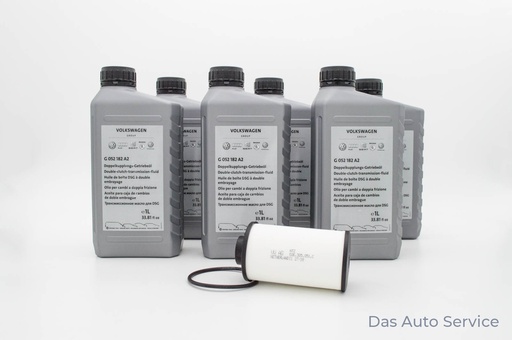
Service kit for 6-speed DSG gearbox
Service kit for the 6-speed DSG DQ250 fitted to pre-facelift Golf 7 R models. We use it when changing the gearbox oil and filter.
View in our shop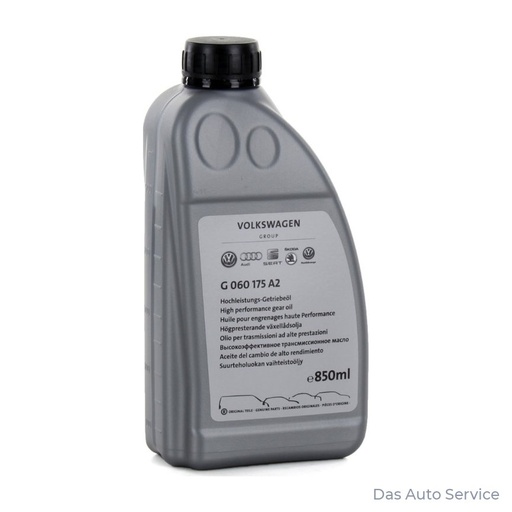
Genuine Haldex oil G060175A2 850ml
Genuine oil for the Haldex Gen5 clutch. We change it every 30,000 km.
View in our shop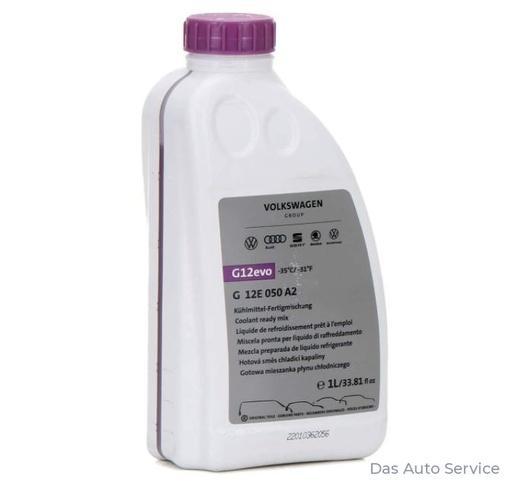
Genuine VAG G12evo coolant G12E050A2 1.0l
Genuine G12evo coolant for the cooling system. We change it every third heating season.
View in our shopFurther reading
- Routine servicing
- Gearbox servicing
- VW Golf 7 GTI and Golf 7 R – what to check before buying
- VW Golf 7 GTI 2.0 TSI service schedule
- EA888 Gen 3 – complete guide to 1.8 and 2.0 TSI/TFSI engines
- DSG DQ250 – complete servicing and troubleshooting guide
- DSG DQ381 and DQ500 – complete guide to wet-clutch gearboxes
- What do I need to know if my car has Haldex Gen5?
- How can I tell if my 1.8 or 2.0 TFSI has a timing chain problem?
- 1.8 and 2.0 TSI (EA888 Gen3): water pump and thermostat leaks
- 1.8 and 2.0 TFSI: ignition coils and spark plugs – when do they cause problems?
Frequently asked questions
How often should I change the engine oil in my Golf 7 R?
Every 10,000 km or once a year, whichever comes first. We use genuine engine oil meeting VW 504 00 and replace all the filters at the same time.
What gearbox does the Golf 7 R have?
Before the facelift, it came with either a 6-speed manual gearbox or a 6-speed DSG DQ250. From the 2017 facelift onwards, it has a 7-speed DSG DQ381. Both DSG gearboxes use wet clutches.
How often should I change the DSG oil in my Golf 7 R?
Every 60,000 km, using genuine oil and a new filter. We always carry out clutch adaptation after the oil change.
How often should I service the Haldex system in my Golf 7 R?
On the fifth-generation Haldex system, we change both the Haldex clutch oil and the separate rear differential oil every 30,000 km.