You've been searching for "VW Golf 8 2.0 TDI problems", and suddenly you're seeing "Golf 8 common faults" and "Golf 8 infotainment problems" everywhere. Now you're wondering whether the Golf 8 is worth buying or whether you'll spend more time fighting with its menus than enjoying the drive. I get it. The VW Golf 8 (CD), launched in 2020, comes with the new-generation EA288 2.0 TDI. It's a lovely car with an excellent diesel engine, but its electronics can sometimes play up. I want to help you understand which complaints are genuine problems, which are exaggerated and what you absolutely need to check before spending your money.
Who is the Golf 8 2.0 TDI right for?
If you cover plenty of miles, want good fuel economy and enjoy modern technology, the Golf 8 2.0 TDI is definitely worth considering. This car loves a long journey, not being started for a few minutes and switched off again. But there's something else to think about, and it has nothing to do with the engine. If touch-sensitive buttons and digging through screens annoy you, please take one for a proper test drive before buying. You might love the engine and the way it drives, only to find that controlling everything through a screen drives you mad on the very first day.
Which engines and gearboxes are available in the Golf 8?
The Golf 8 comes with several versions of the 2.0 TDI, so you can choose one that suits the way you drive. They're based on the new-generation EA288 engine, with differences in power output and specification. You can also choose between a manual and an automatic gearbox. Here's what's available.
- 2.0 TDI with 115 hp – ideal if you're looking for an economical diesel.
- 2.0 TDI with 150 hp – if you want more power and a livelier drive.
- Golf GTD with 200 hp – the most powerful diesel of these versions.
- Gearboxes – 6-speed manual or 7-speed DSG DQ381 with wet clutches.
- Dual-dosing AdBlue system – two injectors in the exhaust system.
What VW Golf 8 2.0 TDI problems do we see in the workshop?
Infotainment and software
This is exactly why the Golf 8 has attracted so many mixed reviews. The screen freezes, the system restarts by itself or your phone suddenly disconnects, leaving you wondering what's broken this time. But on many early cars, the answer is a software update, not replacing parts. That's why I always check which software version is installed before looking for a fault in the electronics themselves. There's absolutely no point paying for new parts when the real problem is the software controlling them.
The AdBlue system
On this 2.0 TDI, AdBlue is injected at two points, meaning there are two injectors in the exhaust system. Add the heaters and NOx sensors, and you can see why diagnosing a fault isn't always straightforward. The idea is to make the exhaust gases cleaner, but the more components you have, the more things we need to check when something goes wrong. If a warning light comes on, don't rush into replacing parts one after another. I've explained everything in detail in my guide to AdBlue on the 2.0 TDI EA288.
DPF problems and city driving
The Golf 8 2.0 TDI loves a proper journey, not constantly being driven a few miles around town. When most of your trips are short, the DPF – the diesel particulate filter – comes under extra strain and can start to clog up. That doesn't mean every Golf 8 has DPF problems. It simply means the way you drive makes a huge difference. If you're planning to use the car mainly around town, bear that in mind. Diesel engines have their own particular needs.
DSG DQ381
The 7-speed DSG DQ381 uses wet clutches, and when you look after it properly, it's a very good gearbox. But! This isn't something you can just forget about until it starts jerking or snatching between gears. At Das Auto Service, we change the oil every 60,000 km, use genuine oil and always carry out a gearbox adaptation afterwards. If you'd like to know more, have a read of my guide to the DSG DQ381 and DQ500.
What should I check before buying a Golf 8 2.0 TDI?
With this car, I wouldn't just check whether the engine runs smoothly and how it feels on a test drive. The electronics matter just as much as the mechanical parts. A car can drive beautifully while half its systems aren't working properly. That's why I want you to check everything, not just what you can see and hear.
- Check which software version is installed and whether all necessary service campaigns have been completed.
- Have a full diagnostic scan carried out on the AdBlue system, DPF and all electronic control modules.
- Test the screens, phone connectivity and every driver assistance system.
- Go through the service history and check whether the car has been maintained properly.
I wouldn't spend my own money on one of these cars just because it looks lovely and the engine purrs. You only get the full picture when you put the diagnostic results, service history and road-test findings together. That's why I recommend a pre-purchase inspectionbefore making your final decision.
How should I service my Golf 8 2.0 TDI?
There's nothing complicated about looking after this car, provided you stick to the service intervals and don't blindly trust extended servicing schedules. For cars driven in Bulgaria, I recommend changing the engine oil and filters every 10,000 km or once a year, whichever comes first. It doesn't matter which oil you use or whether the car is on a LongLife service schedule. And I don't cut corners with the automatic gearbox either.
- Engine oil and filters – every 10,000 km or once a year, using oil that meets the specification in the service book.
- DSG DQ381 – change the oil every 60,000 km, always using genuine oil and carrying out an adaptation afterwards.
- AdBlue – use fluid that meets ISO 22241, poured from a sealed container.
- Brake fluid – change it every 2 years.
- Coolant – change it every third heating season.
- Preventative workshop inspection – every 6 months.
These are the intervals I recommend if you want to look after your car rather than wait for something to break. I've put all the details together in my VW Golf 8 2.0 TDI service schedule.
IMPORTANT! Don't buy a Golf 8 with a freezing infotainment screen without checking the software version first. An update often fixes the problem, but you need to make sure the necessary update has actually been installed.
What's my final verdict on the Golf 8 2.0 TDI?
To me, the Golf 8 2.0 TDI is an excellent diesel engine in a car whose electronics can sometimes play up. That's the main thing I want you to remember. If the software is up to date, everything works as it should and the service history is clear, I'd say yes. But if there are unexplained electronic faults and no service history, don't rush. However good the engine is, it can't make up for everything else.
A tip from Kris Mladenov: When you're looking at a Golf 8, ask just as many questions about the software as you do about the engine oil. Both matter equally. Before you buy, I want to see the service history and check the condition of the electronic systems. Only then can I confidently tell you whether the car is worth buying.
I hope this has helped! If it has, I'd love you to share the article with a friend who drives a Golf 8 or is thinking of buying one. My mission is simple – if I know something useful, I want more people to know it too. Because when you understand your car, you make better decisions about looking after it. And you save yourself a lot of unnecessary headaches.
The solution in our shop
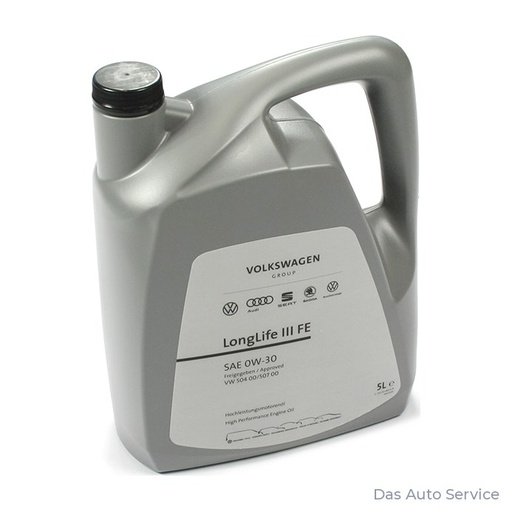
Genuine LongLife III FE 0W30 5L engine oil
LongLife III oil is a suitable option for the engine, provided it meets the required specification. But regardless of LongLife, change the engine oil every 10,000 km or once a year.
View in our shop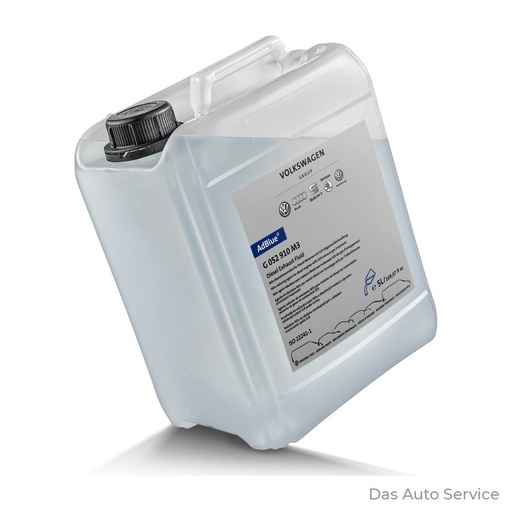
Genuine VAG AdBlue® fluid G052910M4 10l
Genuine AdBlue in a 10-litre container for the system that cleans up the exhaust gases.
View in our shopRead more
- Pre-purchase inspection
- Diagnostics
- VW Golf 8 2.0 TDI service schedule
- DSG DQ381 and DQ500 with wet clutches: when should you change the oil?
- AdBlue on the 2.0 TDI (EA288): engine start impossible in 1,000 km
Frequently asked questions
What are the most common problems with the Golf 8 2.0 TDI?
Most complaints are about the infotainment system and software. But don't forget to keep an eye on the AdBlue system, the DPF and DSG servicing too.
Should I choose a Golf 8 or Golf 7 2.0 TDI?
The Golf 8 has more technology, but also more electronics that need attention. I'd focus on the condition, service history and diagnostic results of the actual car, rather than just which generation it belongs to.
Why does the Golf 8 infotainment system freeze?
On many early cars, it's a software issue. An update often sorts it out, so start by checking which software version is installed.
How often should I change the oil in the DSG DQ381?
At Das Auto Service, I recommend changing it every 60,000 km using genuine oil. We always carry out a gearbox adaptation afterwards.