A big car, a small engine and low fuel consumption. Sounds like the perfect combination, doesn't it? That's exactly what the VW Passat B6 1.9 TDI offers, but there are a few things I want you to know before you hand over your money. This VW Passat B6 1.9 TDI buying guide covers the Passat B6 (3C), built from 2005 to 2010, with the familiar 105 hp 1.9 TDI PD (Pumpe Düse) engine, available with engine codes BKC, BXE and BLS. We see these engines regularly at Das Auto Service, so I know exactly where you need to look carefully. Because a car might save you money on fuel, but if you miss something important before buying it, those savings can disappear pretty quickly.
Who is the Passat B6 1.9 TDI right for?
If you want a spacious car that can cover plenty of miles without you constantly worrying about how much fuel is left in the tank, this Passat makes sense. The 105 hp engine isn't going to push you back into your seat, but it does the job perfectly well for relaxed driving. The important thing is knowing what to expect. If you regularly drive through the mountains with a full car and want effortless overtaking, those 105 horses might feel a bit short of breath. That doesn't make it a bad engine. You just need to know what you're buying it for.
Which gearboxes are available?
The Passat B6 1.9 TDI comes with both manual and automatic gearboxes. And I don't want you choosing between them simply because you enjoy changing gears yourself, or because you'd rather let the car do it. What matters more is how the particular car has been maintained. Even a good gearbox can become a headache when its servicing has been neglected.
- 5- and 6-speed manual gearbox – if you prefer changing gears yourself, these are the options you'll come across.
- 6-speed DSG DQ250 – some versions have this automatic gearbox with wet clutches. It's comfortable to drive, but it needs regular servicing with the correct oil.
What problems do we see most often at the workshop?
This is where I really want you to pay attention. When you're looking at a used Passat, it's easy to fall for a tidy interior and lovely paintwork. But the real story is often hiding under the bonnet. There are a few areas that deserve a particularly close look. I'm not saying every car will have these problems. I just want you to know what to check.
Camshaft wear on BKC and BXE engines
On these engines, the camshaft lobes and tappets can wear out, especially if the wrong engine oil has been used. Put simply, these are the parts that control when the engine's valves open. Once they start wearing, the engine won't run as it should. So please don't take "the oil was changed regularly" as enough proof that everything is fine. I also want to know exactly which oil went into that engine. I've explained why this matters so much in my article about 1.9 and 2.0 TDI PD engines and their weak points.
The DPF on BLS engines
If the engine code is BLS, pay particular attention to the DPF. That's the diesel particulate filter, which traps soot from the exhaust gases. It matters both for how the car runs and for choosing the correct engine oil. I don't want you to be frightened off just because a car has a DPF. I want you to understand what you're buying and how to look after it properly. Have a read of what you need to know about the DPF.
Electric parking brake
The Passat B6 has an electric parking brake, operated by small motors at the rear brakes. Before buying, check that it applies and releases properly, without any fault messages. And there's something else you should know. When the rear brake pads are replaced, the parking brake must first be put into service mode. You can't simply push the piston back and call it a day. I've explained the procedure in my article about the electric parking brake and service mode.
Dual-mass flywheel
If you hear a rattling noise at idle or when switching the engine off, pay attention to the dual-mass flywheel. Its job is to absorb vibrations from the engine so they don't pass straight into the gearbox. As it wears, it can develop a distinctive rattle. Now, that doesn't mean every knocking noise comes from the flywheel. But please don't ignore it just because someone tells you, "They all rattle like that."
What should I check before buying?
If you've found a Passat B6 you like, don't rush into paying a deposit just because it looks well looked after. There are a few things I want you to check before making your decision. They won't tell you the car's entire history, but they can give you a good idea of whether there's something to worry about.
- Check the engine code. You need to know whether you're looking at a BKC, BXE or BLS, because the BLS has a DPF and different engine oil requirements.
- Start the engine when it's completely cold and listen carefully. If you hear rattling from the cylinder head, don't immediately dismiss it as normal for an old TDI.
- Check the electric parking brake. It should apply and release without any trouble or fault messages.
These are the main things to look at, but they're no substitute for a thorough inspection. If you want to know what you're buying, book a pre-purchase inspection. I'd much rather we found a problem while you can still decide whether you want the car than after you've already bought it. I'm telling you this as a friend, because once it's yours, the repair bills come out of your pocket.
How should I service my Passat B6 1.9 TDI?
Using the correct engine oil is absolutely essential on this engine. Especially with the PD injection system, where the camshaft and tappets don't take kindly to poor lubrication or the wrong oil. I don't care whether the bottle says LongLife or how many kilometres the manufacturer claims the oil can last. For a car driven in Bulgaria, here's what I recommend:
- Engine oil and all filters – oil, fuel, air and cabin – must be changed every 10,000 km or once a year, whichever comes first. This applies regardless of which oil you use. Always choose engine oil with the correct VW approval for your engine.
- DSG DQ250 – change the genuine gearbox oil every 60,000 km, together with the filter. Always carry out a gearbox adaptation after the oil change.
If you'd like more information about servicing this generation of Passat, take a look at the VW Passat B6 2.0 TDI service schedule. Just remember that we're talking about a different engine, so you still need to follow the correct oil specification for your 1.9 TDI.
IMPORTANT! The BLS engine with a DPF needs engine oil approved for engines fitted with a DPF. Don't pour in oil intended for PD engines without a DPF just because someone told you, "That'll do." The correct VW oil approval really matters.
Is the Passat B6 1.9 TDI worth buying?
Yes, I think the Passat B6 1.9 TDI is a sensible choice if you want a big, comfortable car for covering plenty of miles. But I want to see that it's been serviced with the correct oil and that no problems have been left unattended. Don't buy one based only on the mileage and how shiny it looks. Look at its condition, listen to the engine and check its history. A properly maintained car makes far more sense than a spotless-looking Passat with a mysterious past.
Tip from Kris Mladenov: Before buying, ask for records of previous engine oil changes and check which VW oil approval was used. To me, that information can tell you more than the number on the odometer. If the service history is unclear, don't just take someone's word for it. Have the car checked properly.
I hope you've found this article useful! If you have, I'd love you to share it with a friend who drives a Passat B6 or is thinking about buying one. My mission is simple: when I know something useful, I want more people to know it too. That way, you can make better decisions about your car and avoid paying for mistakes that could have been prevented.
The solution in our shop
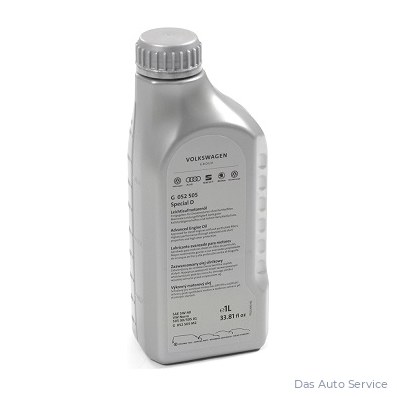
Genuine SpecialD 5W40 Volkswagen diesel oil 1L
SpecialD 5W40 engine oil with VW 505 01 approval is suitable for BKC and BXE engines without a DPF. The important thing is using the correct oil specification for the PD injection system.
View in shop
Genuine Longlife III FE 0W30 oil 5L
LongLife III engine oil with VW 507 00 approval is intended for BLS engines with a DPF. It meets this engine's requirements, but you should still change it every 10,000 km or once a year, whichever comes first.
View in shop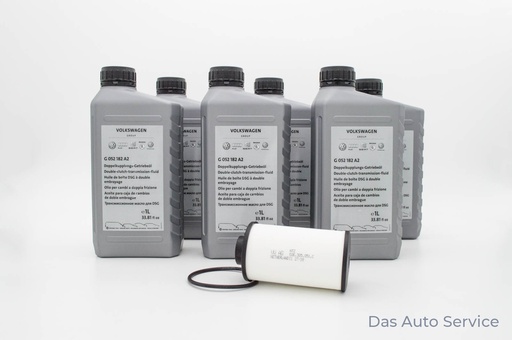
The genuine service kit for the 6-speed DSG DQ250 includes gearbox oil, a filter and seals. That way, you can service the gearbox using the correct parts and materials without cutting corners.
View in shopRead more
- Pre-purchase inspection
- Routine servicing
- VW Passat B6 2.0 TDI Service Schedule
- 1.9 TDI PD Common Problems and Weak Points
- Audi Electronic Parking Brake Service Mode Guide
Frequently asked questions
What are the common problems with the Passat B6 1.9 TDI?
Watch out for camshaft and tappet wear on BKC and BXE engines, DPF problems on BLS engines, faults with the electric parking brake and wear in the dual-mass flywheel. Make sure these areas are checked before buying.
Passat B6 1.9 or 2.0 TDI – which should I choose?
If you want relaxed driving and low fuel consumption, the 105 hp 1.9 TDI makes sense. I wouldn't choose based on engine size alone. The condition and service history of the particular car matter much more.
How much fuel does the Passat B6 1.9 TDI use?
Low fuel consumption is one of this engine's biggest advantages. How much fuel it actually uses depends on your driving style, how heavily the car is loaded and its overall condition.
What engine oil should I use in a Passat B6 1.9 TDI?
For BKC and BXE engines without a DPF, use oil meeting VW 505 01. For BLS engines with a DPF, use VW 507 00. Change the engine oil and all filters – oil, fuel, air and cabin – every 10,000 km or once a year, whichever comes first, regardless of the oil used.