You buy a little car for getting around town, then discover that fixing it could cost as much as repairing a much bigger one. Sound familiar? I hear it all the time. The VW Polo 6R and its facelifted 6C version (2009–2017) are popular choices for a first car, commuting or simply getting around town without any fuss. And I can see why. It's small, easy to drive, and you don't need a massive car to get on with your day. But here's the thing! There's a big difference between the 105 hp 1.2 TSI and the 75–105 hp 1.6 TDI under the bonnet. One's petrol, the other's diesel, and each has its own things to watch out for. Let me show you what I check before telling a friend whether a Polo like this is worth buying.
Who is the VW Polo 6R right for?
If you mostly drive around town, commute to work, pop to the shops and occasionally head out of Sofia, I'd look at the 1.2 TSI first. The petrol engine suits that kind of driving nicely, and with 105 hp, you won't feel like you're driving something that can barely get out of its own way. There's just one thing you need to know: which version are you buying? Because the 1.2 TSI with a timing chain and the one with a timing belt are two very different stories.
But if you're covering plenty of miles every day, regularly driving outside town and rarely leaving the car parked for long, the 1.6 TDI makes more sense. It's a common rail diesel, which simply means its fuel system delivers diesel to the injectors at high pressure. It's an engine that suits regular, longer journeys. But if you're only going to start it up for a few kilometres in the morning and evening, I wouldn't steer you towards it.
What gearboxes does the Polo 6R have?
You've got a choice between a manual gearbox and an automatic DSG. Don't just look at whether the car is an automatic. On a used car, the condition of the gearbox matters just as much as the engine, especially if the previous owner hasn't paid much attention to servicing it.
- 5- and 6-speed manual gearbox – if you prefer changing gears yourself, these are the options you'll come across.
- 7-speed DSG DQ200 with dry clutches – an automatic that changes gear for you. It has clutches and a mechatronic unit, which is basically the gearbox's brain and controls the gear changes.
With a DSG, I want to see how the car behaves on the road, not just whether the dashboard is free of warning lights. A gearbox might change beautifully on a flat road but start juddering when you pull away. That's why a test drive isn't just a formality. It's part of checking the car properly.
What are the VW Polo 6R common problems?
1.2 TSI with a timing chain
On the early 1.2 TSI, the big thing to watch is the timing chain. It keeps the engine running in sync by making sure its main moving parts work together at exactly the right time. If you hear that familiar rattling noise on a cold start, don't tell yourself they all sound like that. This is exactly when the chain and its tensioner need checking. I've explained the problem in more detail in my guide to EA111 timing chain problems. Give it a read, especially if you've got your eye on an early petrol Polo.
1.6 TDI
On the diesel, there are three things I pay particular attention to: the DPF, EGR and injectors. The DPF is the filter that traps soot from the exhaust gases, while the EGR sends some of those gases back into the engine. The injectors deliver the fuel. When any of these systems stops working properly, the car can start giving you trouble. That's why simply hearing the engine start and run isn't enough for me. Have a look at what you need to know about the 1.6 TDI EA189before handing over your money.
DSG DQ200
"Kris, the gearbox jerks when I pull away, but after that it changes gear normally." I've heard that one plenty of times from owners describing problems with the DQ200. This gearbox uses dry clutches, and how it behaves when pulling away tells us a lot. Juddering doesn't automatically mean you need a whole new gearbox. But it does mean we need to find out what's causing it. I've explained why the DSG DQ200 jerks and juddersin detail. Don't put off getting it checked just because the car still drives.
What should you check before buying a Polo 6R?
When you're looking at a used car, don't fall in love with the lovely interior and shiny paintwork alone. I want you to know what you're actually buying under the bonnet. So with a Polo, I'd start with a few simple but really important checks.
- Cold start – on a 1.2 TSI with a timing chain, listen carefully for rattling when the engine first starts. Don't rely on checking an engine that's already warm.
- DSG – try pulling away on a hill. See whether the gearbox engages smoothly or starts jerking and juddering.
- On the 1.6 TDI – check the condition of the DPF and EGR. Don't assume everything's fine just because the engine warning light isn't on.
The best thing you can do is book a pre-purchase inspection. That way, you'll have a much clearer picture of what you're buying. I'm telling you this as a friend: it's far better to discover the problems before you shake hands on the deal than after the car is already yours.
How should you service a VW Polo 6R?
I'm not going to sell you stories about miracle engine oils or ridiculously long service intervals. For cars driven in Bulgaria, I recommend changing the engine oil and all filters every 10,000 km or once a year, whichever comes first. And yes, that applies even if you're using LongLife oil. The manufacturer's extended service intervals are also designed with environmental targets in mind, but my priority is keeping your engine healthy.
- Engine oil, oil filter, fuel filter, air filter and cabin filter – change them all together every 10,000 km or once a year, whichever comes first.
- DSG DQ200 – change the gearbox oil every 60,000 km using genuine oil, and always carry out a gearbox adaptation after servicing.
- Brake fluid – change every 2 years, and coolant every third heating season.
- Vehicle inspection – every 6 months, so we can catch parts that are starting to wear before they cause trouble.
I've also put together a VW Polo 6R 1.2 and 1.4 TSI service schedulefor the petrol versions. Use it rather than waiting for the car to tell you something has already gone wrong.
IMPORTANT! If you only make short trips around town, I wouldn't recommend the Polo 1.6 TDI. With that kind of driving, the DPF fills up with soot, and that's when the trouble starts. If you don't cover many miles, go for the petrol engine instead.
Is the VW Polo 6R worth buying?
Yes, I think the Polo 6R is a sensible little car, provided you choose the right engine and check its condition properly. For town driving, I'd go for the 1.2 TSI with a timing belt, which arrived after 2014. It's the more reassuring choice compared with the earlier timing chain version. If you do a lot of travelling, though, the 1.6 TDI definitely has its place. Just don't buy a diesel for a job that a petrol engine would do better.
Tip from Kris Mladenov: Before buying, find out whether that particular 1.2 TSI has a timing chain or a timing belt. Check the engine code and year rather than trusting what the advert says. And don't skip the cold start or test drive. Those are exactly the moments when you might spot the warning signs that really matter.
I hope you've found this article useful! If you have, I'd love you to share it with a friend who's looking for a Polo. My mission is simple: when I know something useful, I want more people to know it too. Because getting a car checked at the right time can save you a lot of headaches. And when you miss a problem that needs fixing, it's your own pocket that ends up paying for it.
The solution in our shop
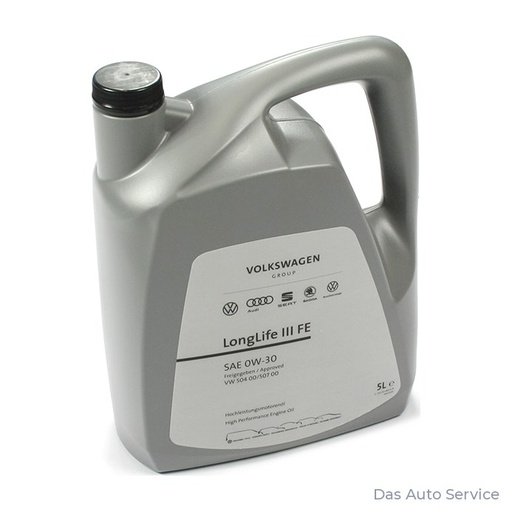
Genuine Longlife III FE 0W30 oil 5L
Genuine LongLife III oil is an option for servicing, provided it meets the requirements of your particular engine. Whatever type of oil you use, I recommend changing it every 10,000 km or once a year.
View in shopRead more
- Pre-purchase inspection
- Routine servicing
- 1.4 TSI Timing Chain Problems: Rattle and Turbo
- 1.6 TDI EA189 Common Problems: What to Check
- DSG DQ200 Problems: Jerking and Gearbox Faults
- VW Polo 6R 1.2 TSI Service Schedule
Frequently asked questions
What are the most common problems with the Polo 6R?
On the 1.2 TSI with a timing chain, listen for rattling from the timing chain. On the 1.6 TDI, check the DPF, EGR and injectors. And with the DSG DQ200, watch out for jerking and juddering when pulling away.
Which should I choose – the Polo 1.2 TSI or 1.6 TDI?
If you mainly drive around town and don't cover many miles, I'd choose the 1.2 TSI. If you regularly make longer journeys and cover plenty of miles, the 1.6 TDI is the better fit.
Does the Polo 1.2 TSI have a timing chain or timing belt?
Up to 2014, the 1.2 TSI used a timing chain. After that came the timing belt version. Check the engine code and year of the particular car so you know exactly what you're buying.